


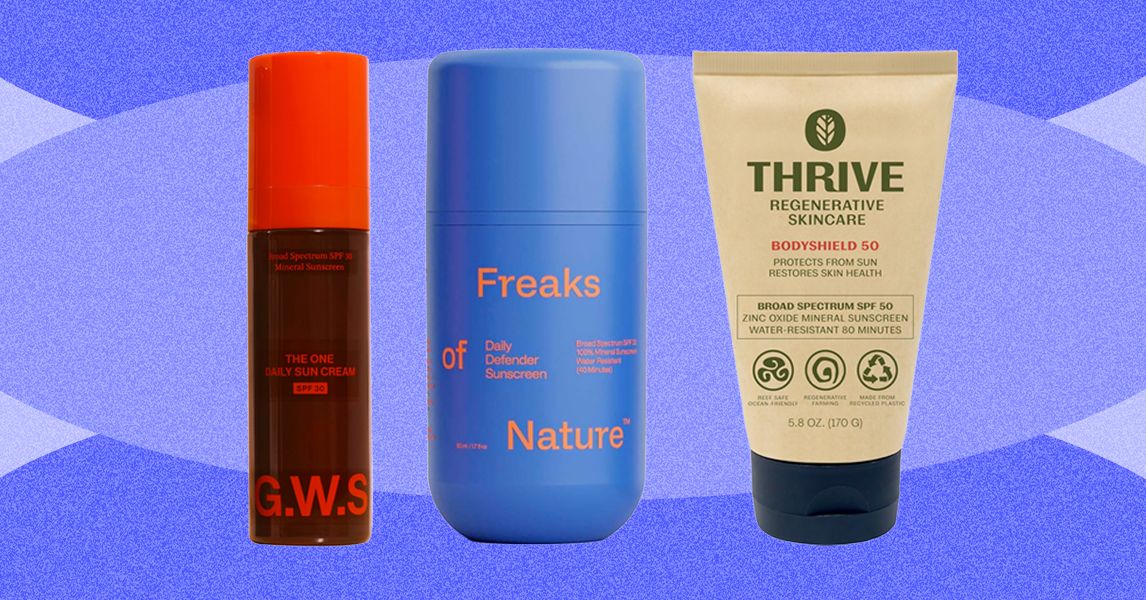
I wasn’t always a sunscreen devotee. Even the best sunscreens felt gross and made me break out. Like so many millennials, I didn’t understand the risks of turning into a lobster at the beach when I was in high school or of spending hours in tanning beds leading up to prom. I know better now, and thankfully, sunscreens have come a long way in terms of formula and feel. I now put it on every day, hoping to undo my sun-worshiping sins, or at least prevent any more damage.
“Wearing sunscreen is so important because it protects us from harmful UV rays that can lead to sunburn, premature aging, and even skin cancer,” says Ellen Marmur, a board-certified dermatologist and founder of MMSkincare. “Because of these risks, I recommend wearing sunscreen every day. Whether you are driving your car, going to the beach, or even just going on an airplane, sunscreen plays a pivotal role in protecting your skin.”
OK, so we’ve established that sunscreen is important. But once you commit to wearing it daily, picking a sunscreen can be a daunting task. There are so many options out there, and they really are very different. If you want to explore further than our top pick, Blue Lizard’s Mineral Sunscreen, we talked with skin-care experts and road-tested them all year round. Here’s what you need to know to help you pick the right sunscreen for you, and our top picks for the best sunscreens out there right now.
For more outdoor guides, check out our guides to the Best Lightweight Hiking Boots, the Best Merino Wool Clothing, and the Best Electric Cargo Bikes.
Updated May 2026: We’ve added new options from La Roche-Posay, Good Weather Skin, and Tubby Todd. We’ve also moved some older recommendations to an honorable mentions list and updated links and prices.
Mineral Vs. Chemical Sunscreens
There are two main ways a sunscreen can provide protection: physically or chemically. Mineral sunscreens create a physical barrier that sits on top of the skin and reflects UV rays away from you. Chemical sunscreens contain ingredients that sink into the skin and absorb UV rays, converting them to heat to be released by your body. Some sunscreen formulas use a hybrid of mineral and chemical ingredients.
There are pros and cons to each kind of sunscreen. Mineral formulations leave a white cast (unless they’re tinted) and tend to feel thicker and heavier than chemical sunscreens. They’re often gentler and are less likely to cause irritation, which makes them a good option for folks with sensitive skin, Marmur says. They’re also safer for the environment and don’t cause as much damage to coral reefs.
Chemical sunscreens, on the other hand, don’t leave a cast and feel lighter on the skin. Since they sink in deeper, you might find that they hold up better during sweaty activities, Marmur says. The downside? Certain ingredients in chemical sunscreens can cause skin irritation for some.
“Avobenzone destabilizes when it’s exposed to light and is a possible cause of dermatitis,” Marmur says. Some products include stabilizing agents to help prevent this. Two other chemical sunscreens, oxybenzone and octinoxate, have been banned in Key West, Florida, and Hawaii for their detrimental impact on marine life, and there are concerns that these ingredients could lead to hormone disruption in humans, though there isn’t ample evidence to support this.
SPF stands for sun protection factor, and the rating refers specifically to how well a product fights UVB rays. “The difference in percentage of protection between SPF 30 and SPF 100 is quite small, and probably much smaller than you expect,” Marmur says. For example, SPF 30 ensures that 97 percent of UVB radiation is being blocked, while SPF 50 boosts that percentage to 98, and SPF 100 ups it to 99 percent. So, higher is technically better, but there isn’t a huge difference in the protection you’re getting.
“That being said, I would recommend using sunscreen with at least SPF 30, since it generally has a similar percentage of protection compared to an SPF as large as 100,” Marmur adds. No matter the SPF rating, you want a product that provides broad-spectrum protection against both UVA and UVB rays.
Given what we know about sunscreen and the safety of common ingredients, “the benefits of wearing it significantly outweigh the risks,” Marmur says. Not only is wearing sunscreen regularly a matter of safety, but it’s one of the best things you can do to prevent premature aging. “Good SPF habits now are like money in the bank, insuring against expensive lasers to remove the sun damage or worse, against surgery and scars from skin cancers,” Marmur says.
Many of the concerns raised about oxybenzone are linked to studies done in rats, in which the animals were fed the compound. According to one analysis from the Archives of Dermatological Research, it would take a human 277 years of oxybenzone sunscreen use to achieve an equivalent dose of the chemical that caused adverse effects in the rats. Oxybenzone is also present in many products people use, like nail polish, hairspray, and plastics. “There are zero reported cases of proven adverse systemic reactions to sunscreens,” Marmur says. “But there are millions of skin cancers yearly, directly linked to UV radiation from the sun damaging the DNA of the skin.”
That being said, there are certain ingredients you should avoid.
Marmur recommends avoiding added fragrance in sunscreen products, especially for folks with sensitive skin. Avobenzone, a common chemical sunscreen ingredient, can cause skin irritation for some people. Retinyl palmitate, a form of vitamin A that’s used in some sunscreens, has been postulated to increase the risk of skin cancer when it’s exposed to sunlight. Oxybenzone and octinoxate are particularly bad for coral reefs. None of the sunscreens on this list contain oxybenzone, octinoxate, or retinyl palmitate.
What Are Reef-Safe Sunscreens?
Reef-safe and reef-friendly aren’t regulated designations, so brands can use the terms as marketing tools without getting any certifications, and they don’t mean a product won’t cause any harm to the environment. However, there are certain sunscreens that are less impactful on marine ecosystems than others. In general, mineral sunscreens are less damaging to coral than chemical ones.