


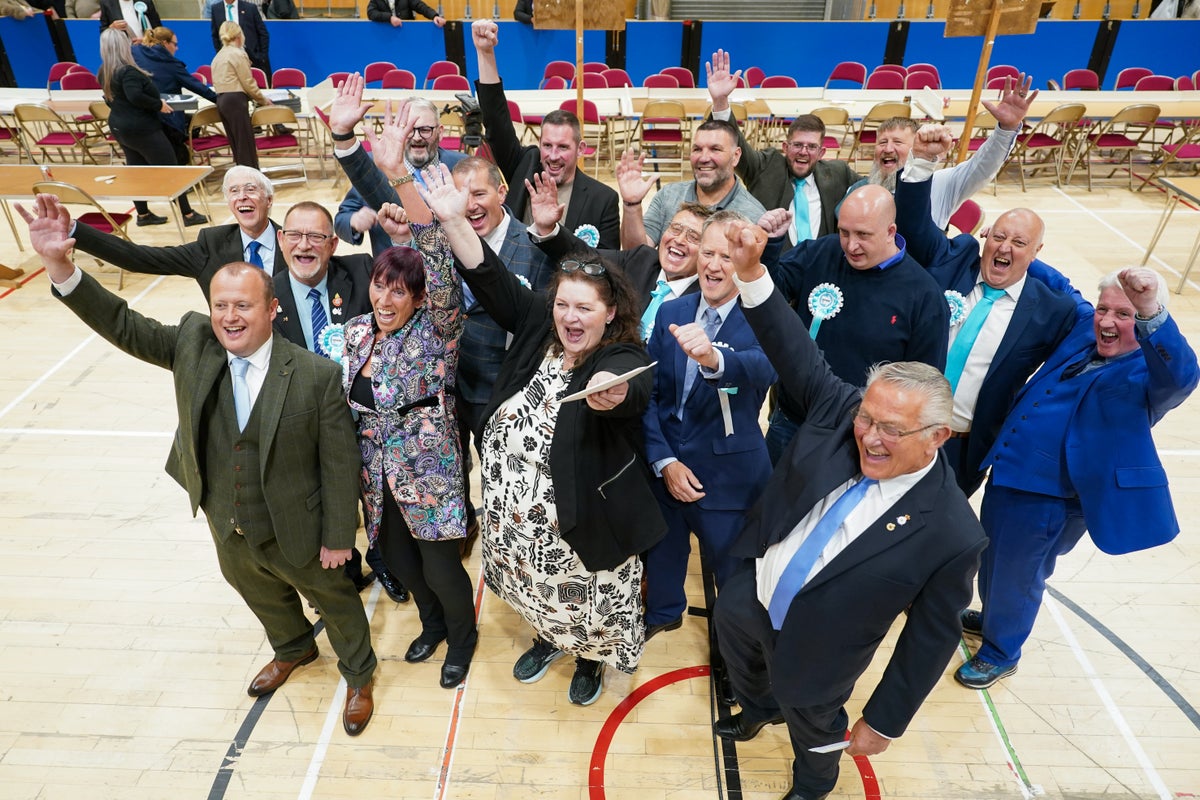
It has been a nightmarish election for Labour across its northern heartlands, with voters abandoning the party for Reform UK.
Nigel Farage’s party made gains around the country as hundreds of Labour councillors lost their seats, ramping up the pressure on the prime minister Sir Keir Stamer, who has vowed not to walk away but will not be able to ignore the reality of these results.
Sir Keir acknowledged it had been a “tough” night for Labour, but added that “days like this don’t weaken my resolve to deliver the change that I promised”.
The overnight results were felt sharply in the north, a bedrock in the party’s electoral coalition where Labour voters have now changed their allegiance to Reform UK in their droves.
The first council to complete its counts on Friday was Halton in the Liverpool City Region, where Labour has always been in power. It lost 15 councillors while Mr Farage’s party gained 16, seeing more than a 50 per cent vote swing in some wards.
Labour held onto control of the local authority, found just outside the city, by virtue of there simply not being enough seats up for election this year for anyone else to gain a majority.
A similar situation was seen in Greater Manchester’s Wigan, with Reform winning 24 out of 25 seats up for grabs in a borough where Labour has been the ruling party since it was created in 1974. Twenty-two of the 24 seats won by Reform were taken from Labour.
Like in Halton, it has held onto control of the council for now. But next year, when another 25 seats will be contested, Reform will have a route to power.
Tameside – which includes Angela Rayner’s constituency – changed from Labour to no overall control, as Reform gained 18 councillors and Labour lost 16.
Before the elections, Mr Farage told the BBC: “What I will say is the map of local government will look very different after 7 May across the North West.”
After the early results on Friday, the Reform leader hailed a “historic shift in British politics”.
In the North East, Reform won all 12 of the seats up for grabs in Hartlepool, with Labour losing seven and relinquishing control of the council.
There are now 15 Reform councillors in the borough, with 15 from Labour and six independents. Negotiations will come as to who runs the local authority.
Hartlepool MP Jonathan Brash, who watched his wife lose her council seat overnight, called for the prime minister to resign
“It’s clear to me that the prime minister should take this opportunity to set out a timetable for his own departure, and then allow for the widest possible leadership election that includes all the talents of our party”, he said.
A seismic blow arrived on Friday afternoon as Sunderland – a council that has had a consistent red majority for more than half a century – was won by Reform. It was the first Labour-run local authority to fall into Nigel Farage’s hands in these election.
This is an unprecedented position for Labour to find itself in, now losing areas which held firm even when Boris Johnson swept parts of the ‘red wall’ in the 2019 general election, but not a surprise if you listen to voters in the north of England.
There is no love lost for Sir Keir among them and has left the party facing the prospect that it might no longer have safe seats.
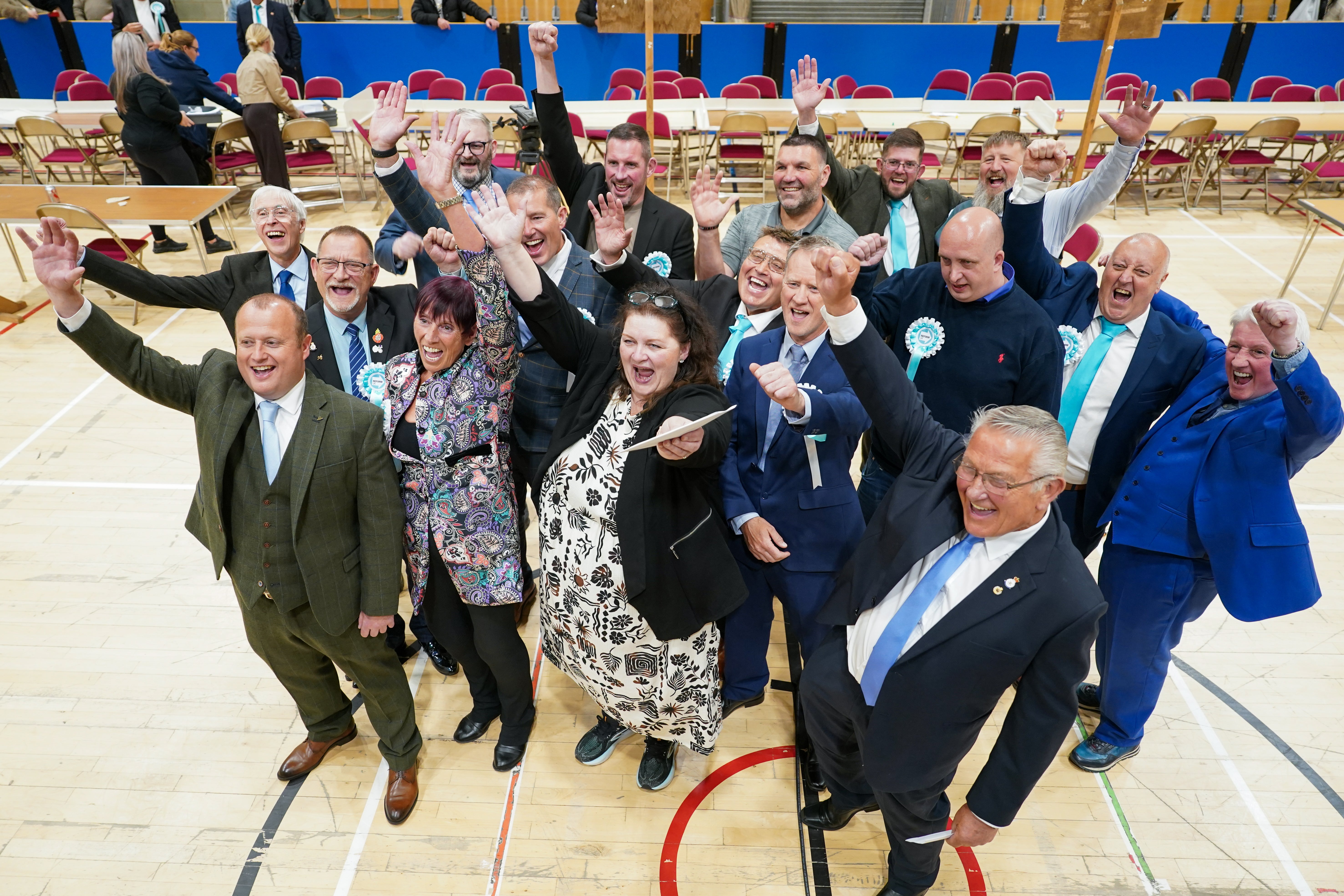
It was apparent in February, in the run-up to the Gorton and Denton by-election, when voters told The Independent they no longer felt represented by a party which they then abandoned to the Greens and Reform as Labour finished third.
As expected in Greater Manchester, Andy Burnham was suggested by many as an alternative who would win them back to the party. Voters believe the very popular mayor, dubbed the “King of the North” for a reason, understands them and the places they are from.
Though Labour has now suffered heavy losses in Mr Burnham’s city region there is an argument to be made that this was largely driven by voters’ responses to the government and the man who leads it.
Before these elections, when The Independent spoke to the electorate in St Helens – another Liverpool City Region council which will declare its results later today and won’t need much movement towards Reform for Labour to lose control of it – the disdain for the current party was palpable.
“It’s not the old Labour we had,” voter Janet Wylde told me in St Helens, where connections with Labour run deep but is a place Mr Farage now has his eyes on.
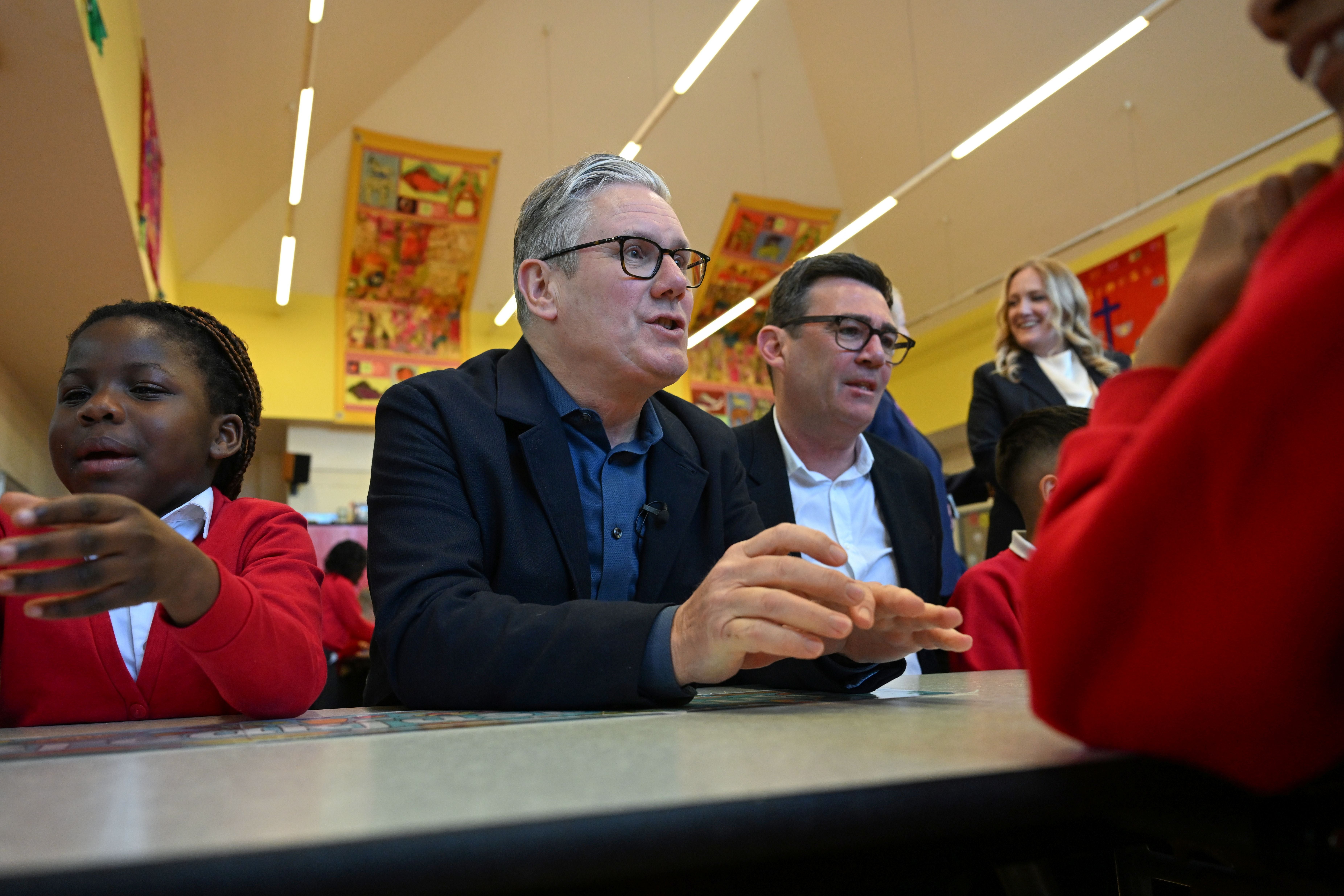
Before the elections, Liverpool City Region Mayor Steve Rotheram told The Independent that Labour would find more success if it focused on local issues rather than the man in Downing Street.
“Once we break beyond the people who are not supporting the likes of Keir Starmer, when we get beyond that and explain the type of town hall that Labour are proposing, then we get a much fairer hearing,” he said.
But it is apparent that voters in Labour’s most loyal regions have rejected a party led by Sir Keir. And if polling is accurate, more pain will arrive across the north today.