


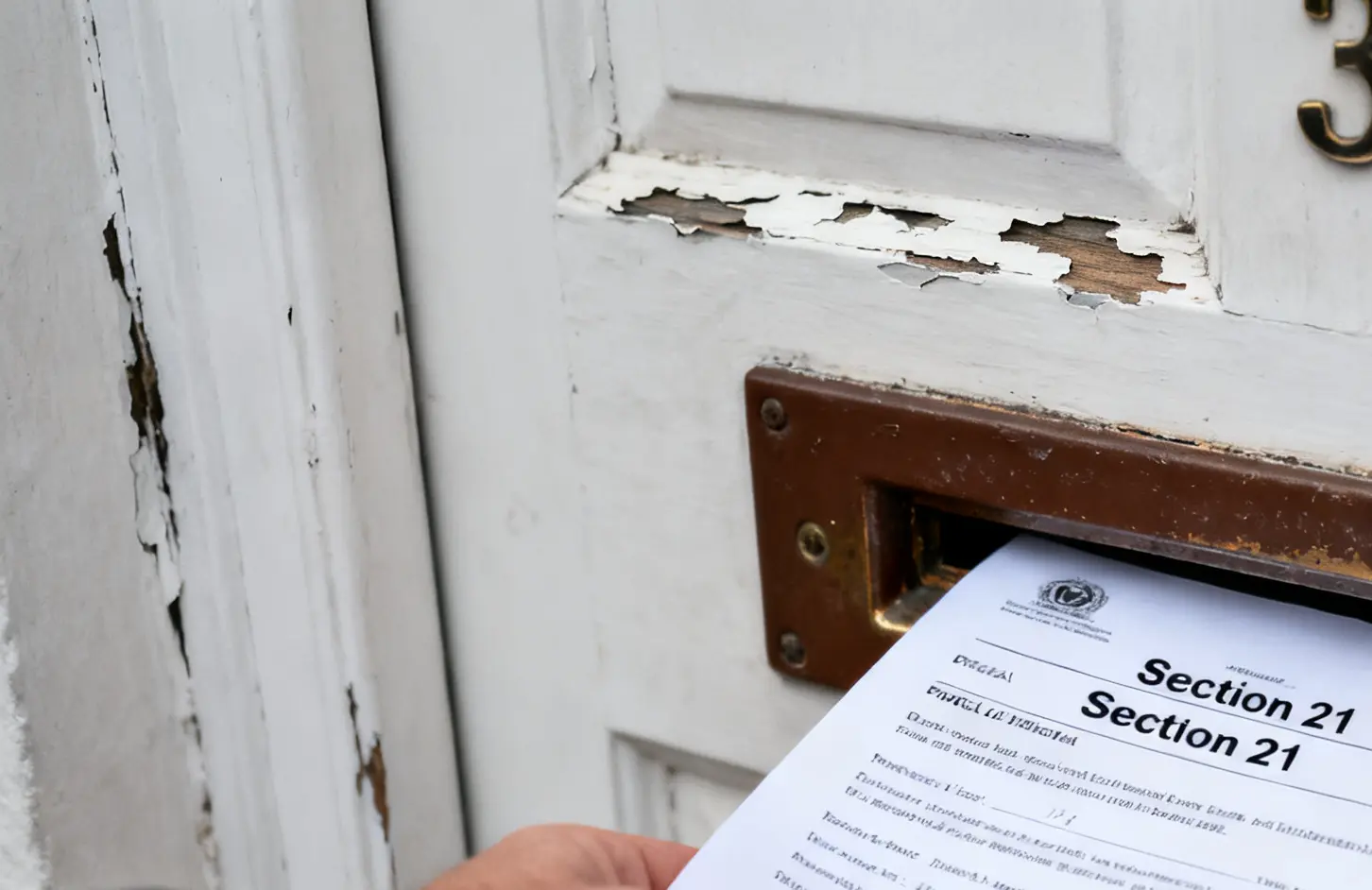
Hundreds of tenants across England received no-fault eviction notices in the final days and hours before section 21 evictions were banned under the Renters’ Rights Act on 1 May, according to reports from tenants and legal professionals.
Solicitors reported increased requests to serve last-minute eviction notices before the deadline, with some requiring hand-delivery when postal services could not meet the timeframe. The rush to issue notices has left affected tenants facing uncertainty and potential homelessness.
Last-minute evictions
Carl Kansinde Middleton, 27, received his eviction notice at 2pm on 30 April – 10 hours before the ban took effect. The Brighton resident, who lost his employment in November, said the notice arrived via email, text message and post simultaneously.
“As we were getting closer, I really thought I was safe,” Middleton said. “It just never occurred to me that it would just come right on the last day.”
In Birmingham’s Moseley area, 12 tenants in a converted house received section 21 notices on 27 April after the property was sold to a development company linked to supported accommodation provision. The tenants, including couples and individuals, were informed the building required refurbishment.
Sharonjit Sutton, a self-employed graphic designer living in the building, said: “We were all devastated. Everyone was in tears. Everyone was just in shock and couldn’t believe it was happening.”
Jess Thiari, 41, who has resided in the building for seven years, noted: “It was just really difficult because if it was in a few more days this wouldn’t have happened. People have lived here for 10, 20 years and we’re good tenants, nobody is behind on rent.”
Market implications
The tenants in Birmingham expressed concern that the new legislation may be prompting smaller landlords to exit the rental market, potentially reducing available housing stock. The building was sold by an individual landlord to a property development company.
Sutton reported encountering another tenant who had received a section 21 notice at a property viewing, indicating widespread displacement. “It’s going to be very competitive,” she said.
In Barnet, north London, a 68-year-old tenant who has rented the same property for 22 years received an eviction notice on 27 April, shortly after being diagnosed with a benign brain tumour. The tenant, who asked to remain anonymous, said: “I think I’m looking at homelessness, and at my age that feels like a death sentence.”
She cited frozen housing benefit rates and her age as barriers to securing alternative accommodation, preferring ground-floor properties due to health concerns.
Legal response
Tenants have been advised by legal professionals to resist eviction notices where possible, forcing proceedings into court to extend the timeframe for finding alternative accommodation. However, Sutton acknowledged the emotional toll of such action.
The Renters’ Rights Act, which became law in October, banned section 21 no-fault evictions from 1 May. Middleton commented: “The Renters’ Rights Act was near perfect but it should have been implemented in October when it became law – these evictions are a very unfortunate but foreseen consequence.”
The timing gap between the Act receiving royal assent and implementation allowed landlords to issue notices under the previous system. The legislation aims to provide greater security for tenants, but the transition period has resulted in a wave of last-minute evictions affecting tenants who had anticipated protection under the new rules.
Industry observers note that the rush of section 21 notices before the deadline may indicate broader shifts in the rental market, as landlords reassess their positions ahead of increased regulatory requirements. The housing market continues to face pressure from multiple factors, including affordability challenges and supply constraints.