


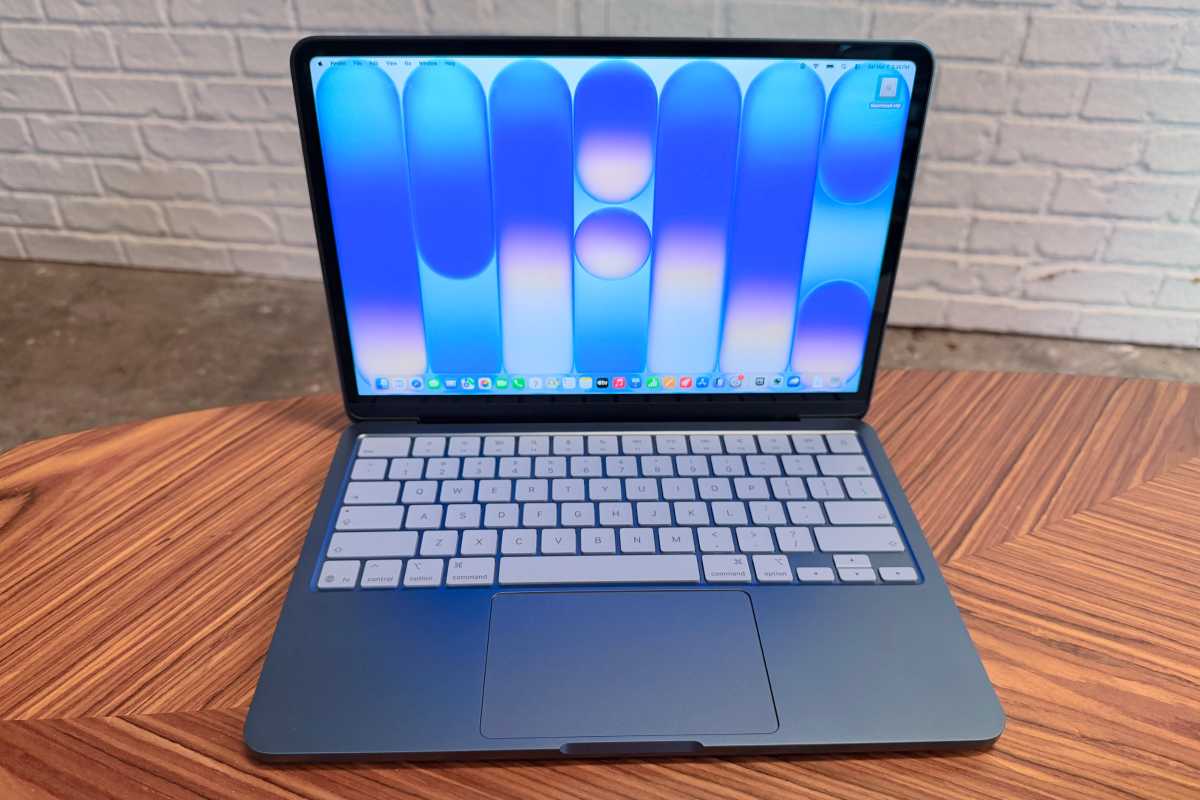
When the MacBook Neo launched in March, it sent ripples throughout the PC market.
While Apple’s laptop-making prowess was never in doubt, its ability to make a genuinely affordable one had been. Until then, the cheapest model it sold was the original M1 MacBook Air from 2020, but still for the relatively pricey launch RRP of £999/$999.
Then the Neo arrived. At £599/$599 (£499/$499 for students), it’s the most affordable MacBook Apple has ever made. An A18 Pro chip (the same as the iPhone 16 Pro models) is the main compromise, resulting in notably reduced performance.
However, the feedback has been overwhelmingly positive, with our sister site Macworld describing it as “a delight” and “the perfect gateway Mac”. Similarly-priced Windows PCs don’t compare favourably at all in side-by-side comparisons.
Foundry
With Linux and ChromeOS lacking the third-party software to achieve mainstream consumer appeal, it leaves the Neo out on its own as the go-to cheap laptop. Record-breaking sales in the week after launch speak for themselves.
How long will the dominance last? Windows laptop makers were clearly unprepared for the new competition, but could Google have a trick up its sleeve?
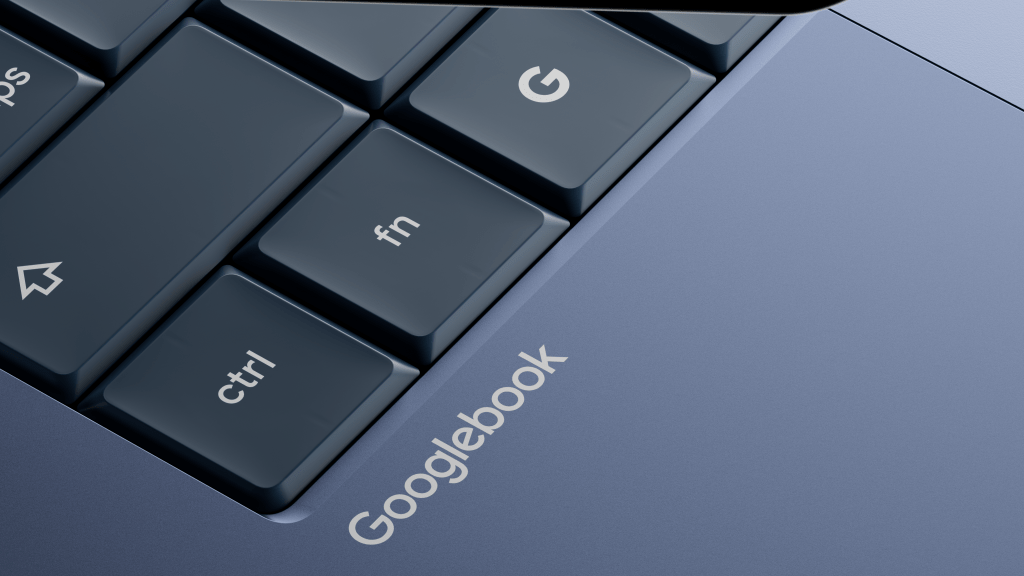
Running a new Android-ChromeOS hybrid, the freshly-announced Googlebook devices could provide a genuine alternative to the MacBook Neo. Here are five big reasons why.
Google’s ecosystem is nearly as good as Apple’s
The Apple ecosystem is rightly lauded for the seamless integration it offers between different devices.
It’s incredibly easy to start something on your iPhone while you’re out, then pick up right where you left off on an iPad. Or listen to music while on your AirPods on the go, then immediately switch to a TV show on your MacBook when you get home.
If you already own one of these devices, the MacBook Neo is a total no-brainer. Even Google acknowledges the “ecosystem advantage” that Apple has, citing it as a key reason that it “had to act”.
It’s incredibly easy to start something on your iPhone while you’re out, then pick up right where you left off on an iPad
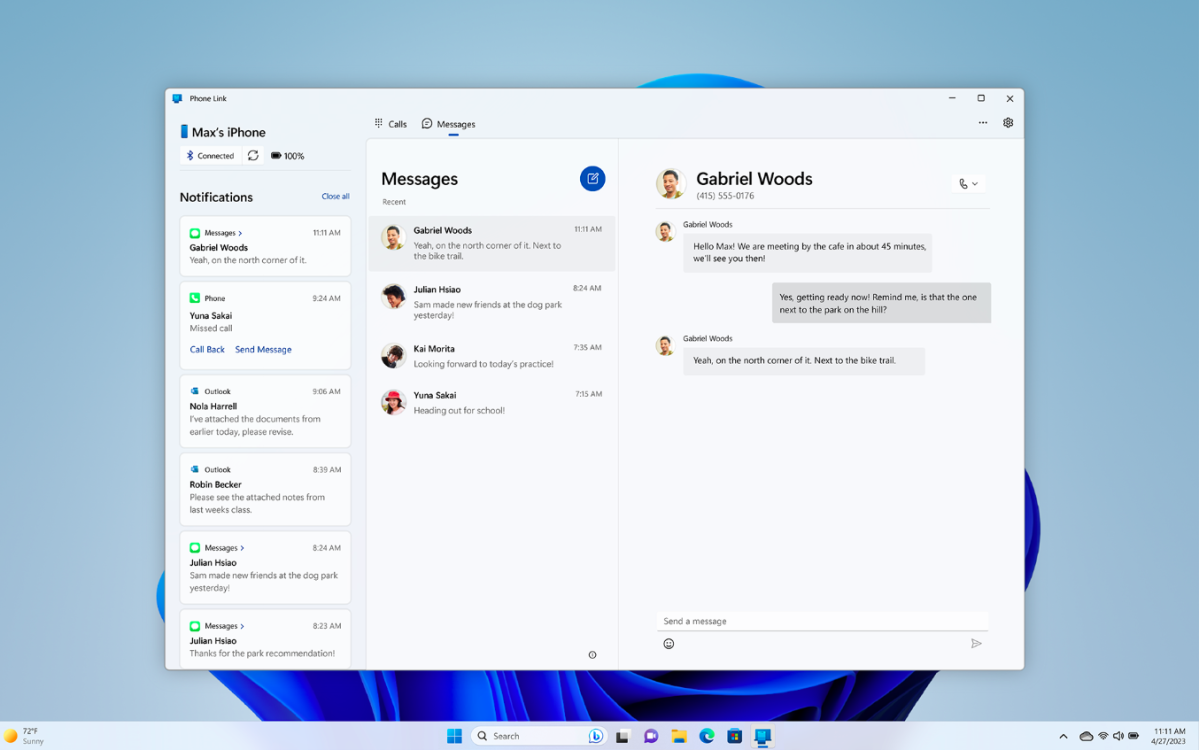
But if you have an Android phone, the choice is much more difficult. While all of Google’s services are available on the Mac, they lack the seamless ecosystem features offered by Apple’s equivalents. On Windows, Microsoft’s Phone Link app offers only very basic integration with an Android phone, leaving a clear gap in the market.
Microsoft
With an incredible range of popular productivity software, Google is better placed than any other company on the Android side.
Google Search, YouTube, Maps, Gmail, Chrome, Docs, Photos and Calendar all form a core part of my workflow, and I don’t know what I’d do without them. I know I’m not alone.
On Android, I feel totally at home, but the transition to a laptop is always jarring. Android, in its current iteration, is totally unsuited to cursor-based navigation, so a dedicated operating system is a necessity.
And that looks like exactly what Google is providing in the form of AluminiumOS, which it says will be like a hybrid of Android and ChromeOS.
The Android integration will be off the charts
The prospect of a proper desktop version of Android already has me drooling about the integration potential with an Android phone.
Compared to the iPhone and Mac, the integration between Android and Windows is severely lacking. I’d expect Googlebooks and AluminiumOS to offer a huge step up from the current setup.
I’m talking about using your Android phone’s camera as a desktop webcam, automatically switching earbuds, and having access to a universal clipboard that syncs anything you’ve copied on either device.

Apple
I also love how easy it is to control both an iPhone/iPad and Mac using your cursor and keyboard, just by putting one next to the other. Or being able to pick up your web browsing or other apps, exactly where you left them.
These are all features that Apple currently offers, and Google is in an excellent position to match, especially on Pixel phones. On Googlebooks, the company says you’ll be able to use phone apps directly on your laptop or quickly access files from your phone, within the browser. This is the sort of integration I’ve been dreaming about.
And Gemini wipes the floor with Siri
Unsurprisingly, Google has confirmed that Gemini will form a core part of AluminiumOS.
And why wouldn’t it? AI is the subject on everyone’s lips right now, and Google is arguably doing it better than any other company.
Apple has been blighted by a lack of progress on AI
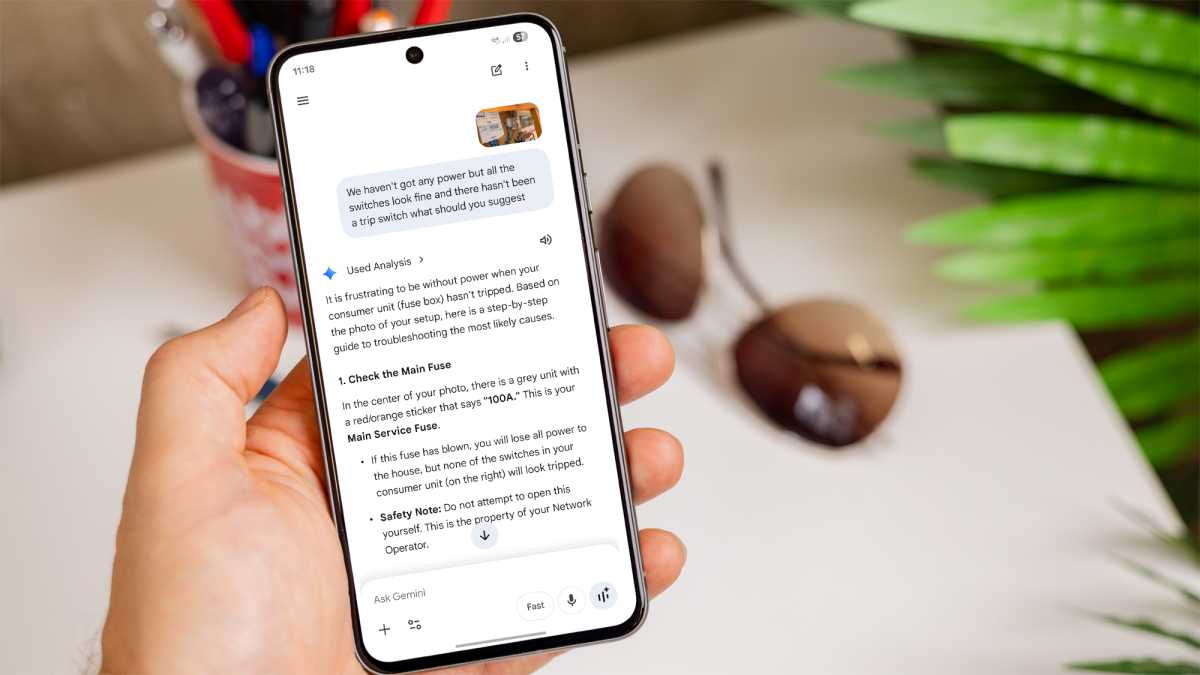
On smartphones, Gemini is leading the way, offering a comprehensive, user-friendly way to integrate AI into your life. While I was initially sceptical, Gemini has become so consistently useful that I can no longer ignore its value.
Foundry
Meanwhile, Apple has been blighted by a lack of progress on AI, with upgrades to its outdated Siri virtual assistant continuing at a glacial pace.
With Gemini Intelligence, Google is aiming to extend its lead, introducing AI agents that can work in the background to get tasks done. While I’m sceptical of AI agents in general, I have more faith in Google than any other company to turn them into a service that genuinely helps users. Maybe that’s my bias showing.
Is Google reinventing the cursor?
Just like with typing, Google is also taking aim at another computer stalwart: the cursor.
The classic tilted arrow has remained unchanged for more than 50 years – until now. The humble cursor is getting a 2026 glow-up, with Google now describing it as a ‘Magic Pointer’.
And, surprise surprise, Gemini is powering it. A simple wiggle triggers Google’s AI assistant, enabling context-based suggestions depending on the information on screen.
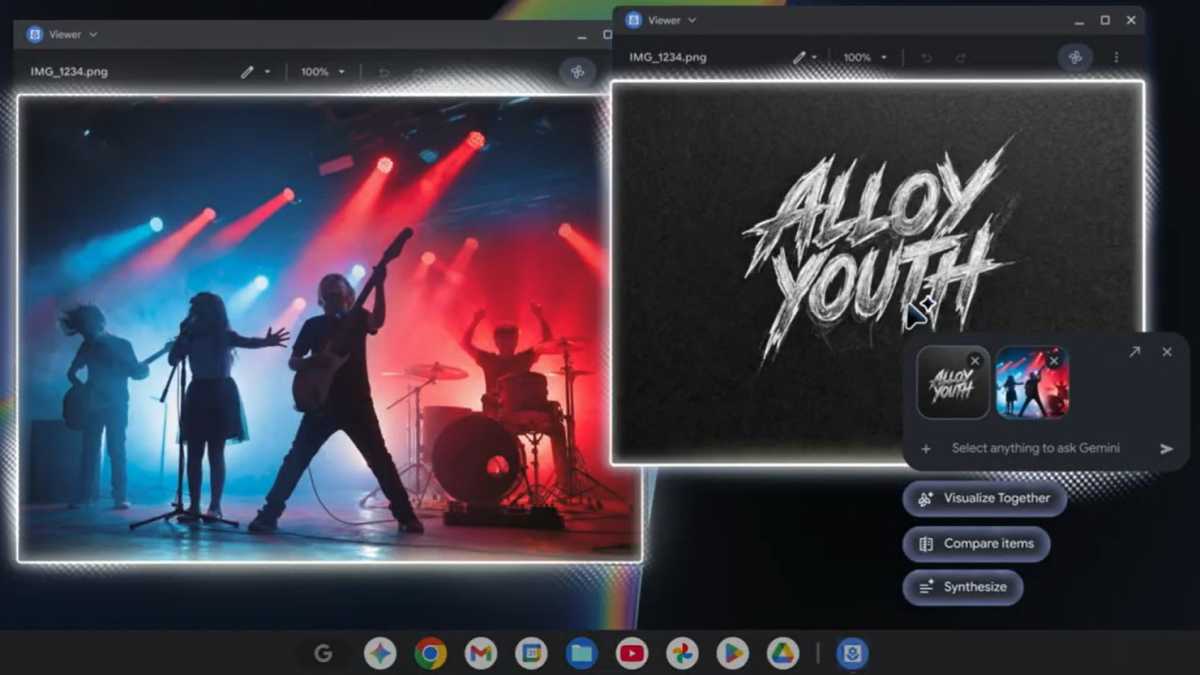
Examples suggested include fast comparisons of selected images, dates instantly generated into calendar events – but this is surely just the tip of the iceberg.
Assuming it works as intended, I could see the Magic Pointer being replicated across all desktop PCs – including Macs.
Google isn’t making Googlebooks itself…
Google’s track record of first-party laptops isn’t exactly brilliant. After launching ChromeOS in 2011, the company went on to release several of its own Chromebooks throughout the decade.
However, these never translated into long-term success, despite the undisputed quality of devices such as 2019’s Pixelbook Go.

Hannah Cowton-Barnes / Foundry
That was the last Google-branded laptop that was launched to date, with the company shifting its full attention to the ChromeOS software experience that’s available on other devices.
I was concerned that Google would try to resurrect first-party laptops in the form of Googlebooks, but I’m happily mistaken. It seems as though the company has learned its lesson and will now solely focus on what it’s best at – brilliant software.
Given that it’s a brand-new operating system that’s been built from the ground up, AluminiumOS is likely to require Google’s undivided attention, so this is a smart move.
…but some of the leading PC makers are
If Google was struggling to recruit top laptop makers to invest in Googlebooks, I’d say it would be worth investing in first-party hardware. But it clearly isn’t.
Many leading Chromebook manufacturers are already on board, including Acer, Asus, Dell, HP and Lenovo. There will surely be more to come.
Those brands already have a strong track record of delivering hardware to match Google’s software, so I see no reason why they can’t do the same again.
Many leading Chromebook manufacturers are already on board, including Acer, Asus, Dell, HP and Lenovo
With multiple partners already on board, you’re going to get something that the MacBook Neo can’t match: choice. Google says that Googlebooks will be available in “a variety of shapes and sizes”, suggesting there’ll be a device to suit almost anyone.
Foundry
And crucially, just like the MacBook Neo, build quality shouldn’t be compromised, with Googlebooks supposedly made using “premium craftsmanship and materials”.
While undoubtedly more advanced than Chromebooks, Googlebooks will have a prime opportunity to match or even undercut Apple’s laptop on price, while offering the best possible choice for Android phone owners.
All in all, it’s a hugely exciting moment for Google, and the laptop market more widely. The MacBook Neo might be tempting Android users for a while yet, but with Googlebooks, Google is ideally positioned to fight back.
For the first time in a long while, I’m genuinely excited about the future of laptops.