


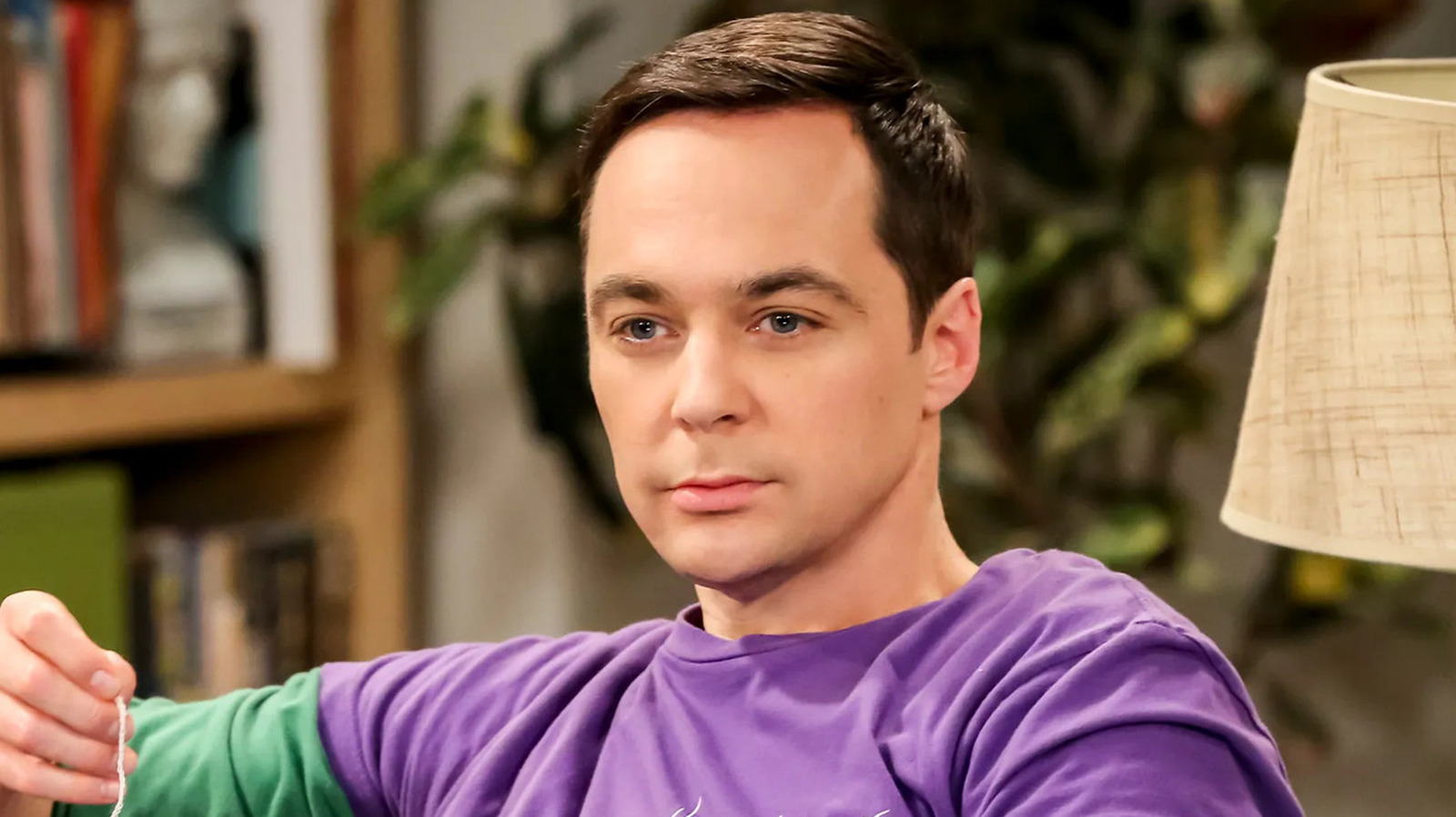
Sheldon Cooper makes plenty of scientific hypotheses on “The Big Bang Theory,” and Jim Parsons has had his own theories regarding why the beloved sitcom was so successful. Speaking to Vulture in 2014, Parsons suggested that two factors led to the show’s high ratings, starting with the main characters staying true to themselves. “There’s not anything to keep up with,” he said. “You don’t go, ‘I didn’t see the first three seasons, and now they’re off with prostitutes, and they no longer work in the Mafia, and I don’t understand what happened.'”
“The Big Bang Theory” sees the main characters evolve in many ways — Sheldon even has coitus eventually — but they don’t stop being nerds. Viewers don’t have to watch all episodes of “The Big Bang Theory” to stay up to speed, allowing them to dive in and out as they please.
The second reason is even simpler — the show is pretty to look at. In fact, Parsons believes that this factor explains why the hit CBS series is popular in non-English-speaking territories. “What confused me was — does our show subtitle well?” Parsons described. “Especially some of the s**t a couple of us say, as far as the science jargon goes. So I thought, ‘Maybe it’s just literally fun to look at.‘”
Big Bang Theory fans agree with Jim Parsons
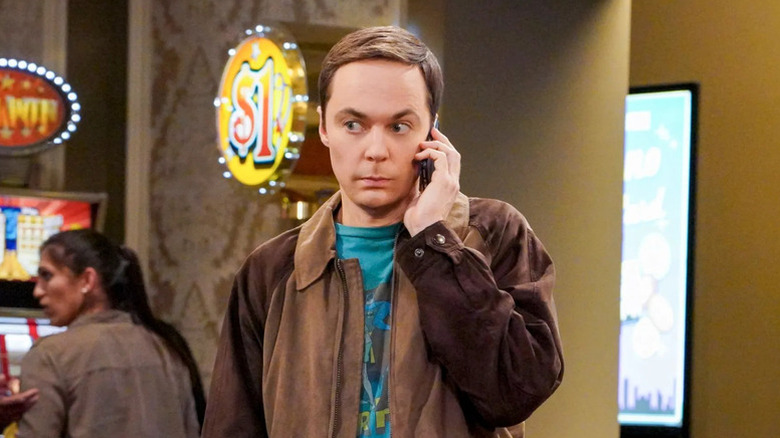
Jim Parsons’ views have been echoed by fans of “The Big Bang Theory.” Despite being a sitcom about nerds with niche interests, the show still follows a tried-and-tested structure that could apply to countless other TV comedies. “It’s not because it makes fun of nerds, it’s because it has mainstream appeal,” one Redditor on r/television wrote. “The nerd thing is just a useful setting for a multi-cam sit-com that’s ultimately about relationships. It’s popular for the same reason ‘Friends’ was.”
What’s more, fans don’t have to be geniuses to understand the nerdy protagonists on “The Big Bang Theory.” In fact, some viewers attribute the show’s success to the fact it embraces the type of lowbrow humor found in traditional sitcoms. “It’s passive viewing and tells you when to laugh. It takes normal toilet humor from other shows and makes you think it’s smart by using big words,” a Redditor on r/sitcoms described.
The timing of “The Big Bang Theory” could also be a major factor behind its success. Chuck Lorre’s sitcom debuted in 2007 — one year before “Iron Man” was released and gave birth to the Marvel Cinematic Universe. Nerdy pop culture became more mainstream as a result, and “The Big Bang Theory” benefited.