


By Chris Snellgrove
| Published
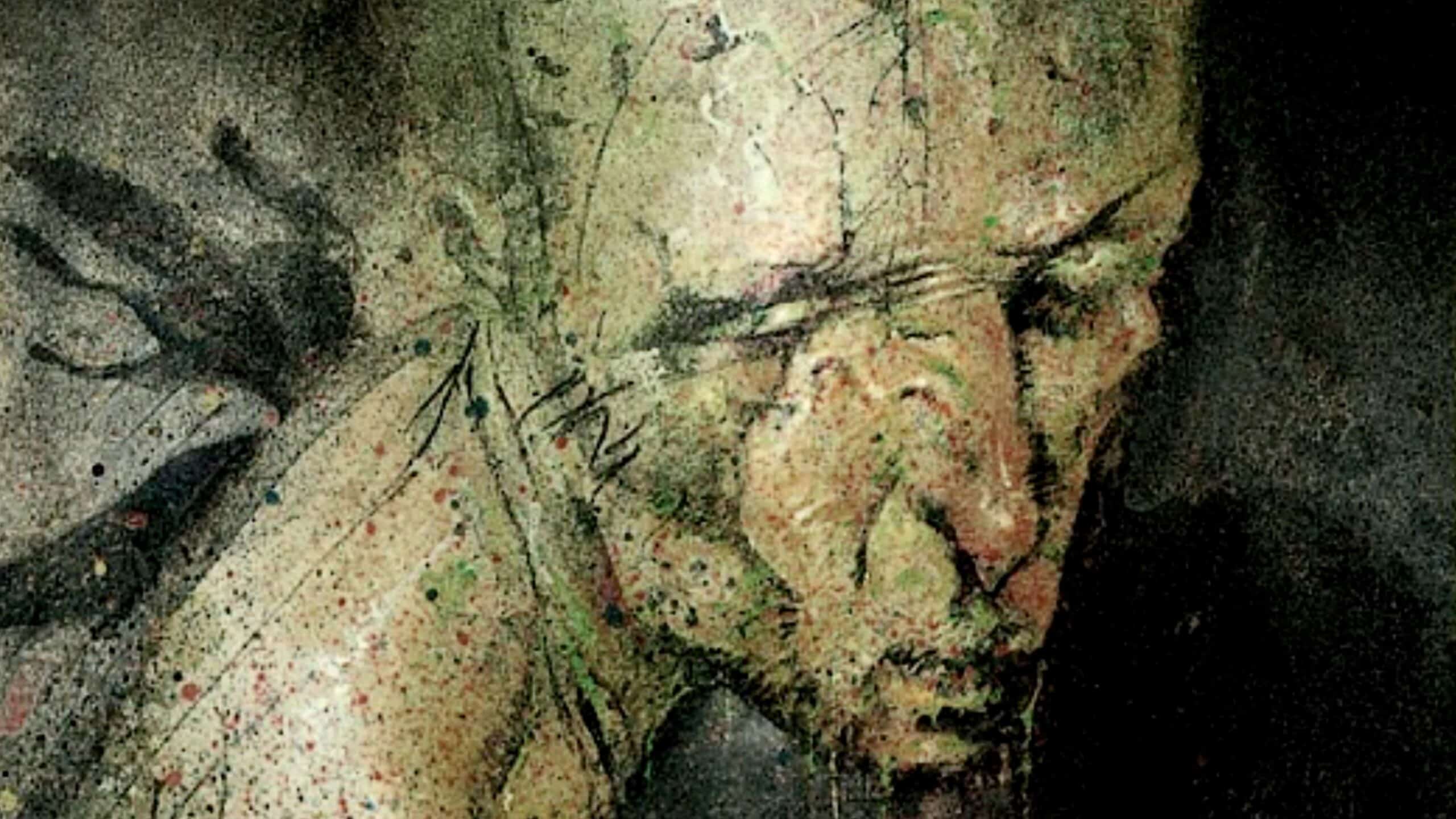
The recent Clayface teaser has fans buzzing, and for good reason. The entire thing is atmospheric, moody, and downright creepy. It doesn’t look like an advertisement for a superhero movie at all, and that’s the point.
Cowritten by Mike Flanigan (the spooky maestro behind killer shows like Midnight Mass and Fall of the House of Usher), Clayface has been designed primarily as a horror movie. This will be a first for DC, and this means that the upcoming film will (regardless of its final quality) become part of superhero history.
However, the movie is also set to make history in a very different way. DC has always tried to distinguish itself from Marvel, first by making the DCEU into a dark-and-gritty dudebro fest and later by making the DCU feel more like the futuristic, alternate universe of the comics. With Clayface, DC is set to finally set itself apart by doing the one thing Marvel refuses to do: release different kinds of tights-and-flights films rather than ultimately turning everything into generic superhero slop.
The Copycat Loses It All
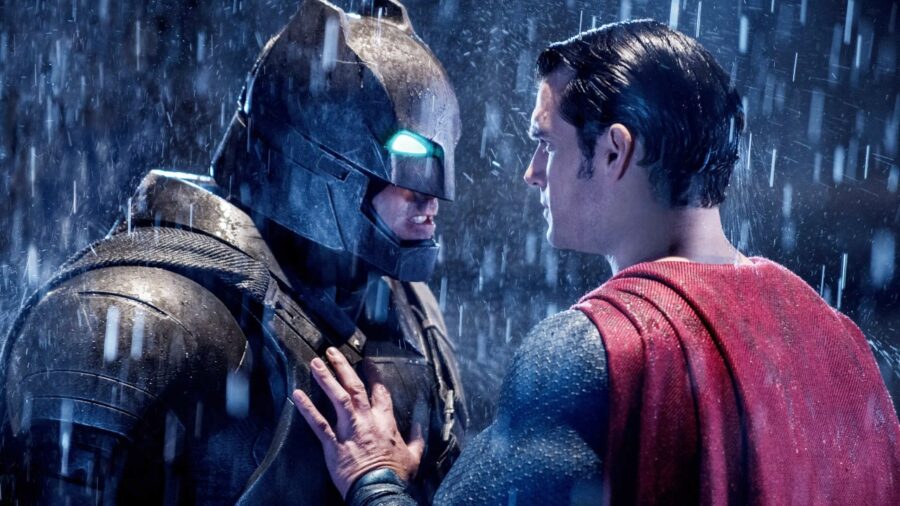
Back before the days of superhero fatigue, it seemed like the MCU was practically printing money, with one hit after another raking in over a billion dollars at the box office. As it turned out, fans really, really liked seeing superheroes onscreen together as part of a cinematic universe. Warner Bros. tried to replicate this magic with the DCEU, but everything fell apart. Mainstream audiences rejected movies that felt like a Temu MCU, and they particularly hated the one thing that set the DCEU apart: its focus on gritty, humorless characters and needlessly brutal ultraviolence.
While it outlasted the DCEU (not exactly a difficult accomplishment), the MCU’s shine eventually wore off. These films stopped raking in cash, with some projects actually losing money. The common explanation is superhero fatigue, but I have a theory that audiences hate the “super” while still liking the “hero.” That is, they are happy to watch different kinds of heroes (including Daredevil and Loki), but they hate the glut of movies and TV shows that eventually become nothing more than flying characters firing goofy laser bolts at each other until someone falls down.

What does this have to do with Clayface, you say? Well, this movie is on track to be DC’s first horror movie. It’s also their fourth major project (after Joker, Joker: Folie à Deux, and Penguin) to focus on a villain rather than a hero. While Folie à Deux was a critical and commercial bomb, Joker made over a billion dollars at the box office, and Penguin is a Golden Globe and Emmy-winning hit TV show. Should Clayface prove to be a hit (and right now, it has plenty of buzz), Warner Bros. will have solidified itself as the home of unconventional superhero cinema that goes beyond the typical tights-and-flights formulaic storytelling.
Marvel’s Eternal Formula
Weirdly enough, this is something Marvel has never really managed to do. Almost every major MCU project focuses on its heroes, who are rarely allowed to have any nuance or shades of grey because that would get in the way of the next memeable, t-shirt-ready quip. Plus, the third act of these projects always descends into a CGI slugfest with the graphical fidelity of a PS3 cutscene. Marvel considers it part of their essential formula, but these inevitable showdowns make their projects predictable. Moreover, the resistance to changing this formula has held back certain shows and films that were otherwise trying to do something new.
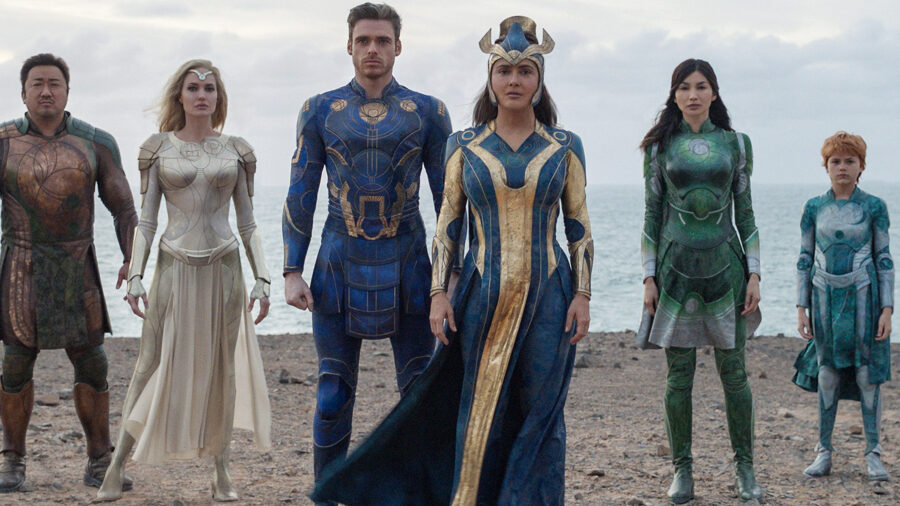
For example, WandaVision was this visionary, genre-defying TV show, but it still had an Avengers-lite ending where Scarlet Witch fired badly-rendered energy blasts at Agatha Harkness. The Eternals had an Oscar-winning director and nominally focused on the crunchy intersection of immortality and identity, but it still ended with a CGI-laden showdown against made-in-China Superman. Black Panther tried to examine the evils of both capitalism and colonialism, but the day was inexplicably saved by lasers (half of which were fired by the CIA!). Doctor Strange and the Multiverse of Madness was meant to be a horror movie, but all anyone remembers is Professor X’s hover chair and Jim from The Office in a Fantastic Four uniform.
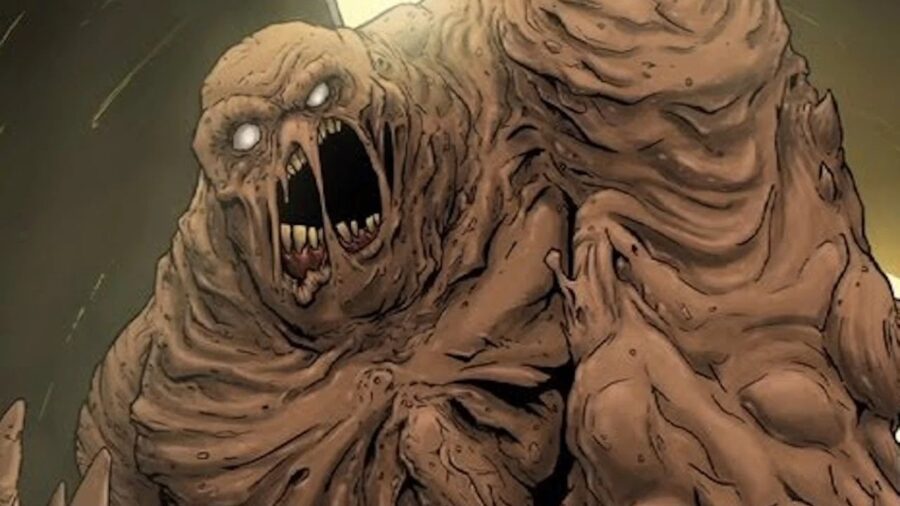
For Marvel productions, it is functionally impossible for writers and directors to escape the superhero formula. DC, meanwhile, keeps making something different, including bizarre thrillers like Joker and Seven-style forensics features like The Batman. Now, Clayface is set to be DC’s first horror movie, and its very existence proves something important. While Marvel’s House of Ideas has clearly run out of steam, DC is now the once and future home of superhero movies that step outside of the traditional formula. Its success might be enough to prove that superhero fatigue doesn’t really exist and that the public is starving for something Marvel can no longer deliver: genuinely surprising genre entertainment.