


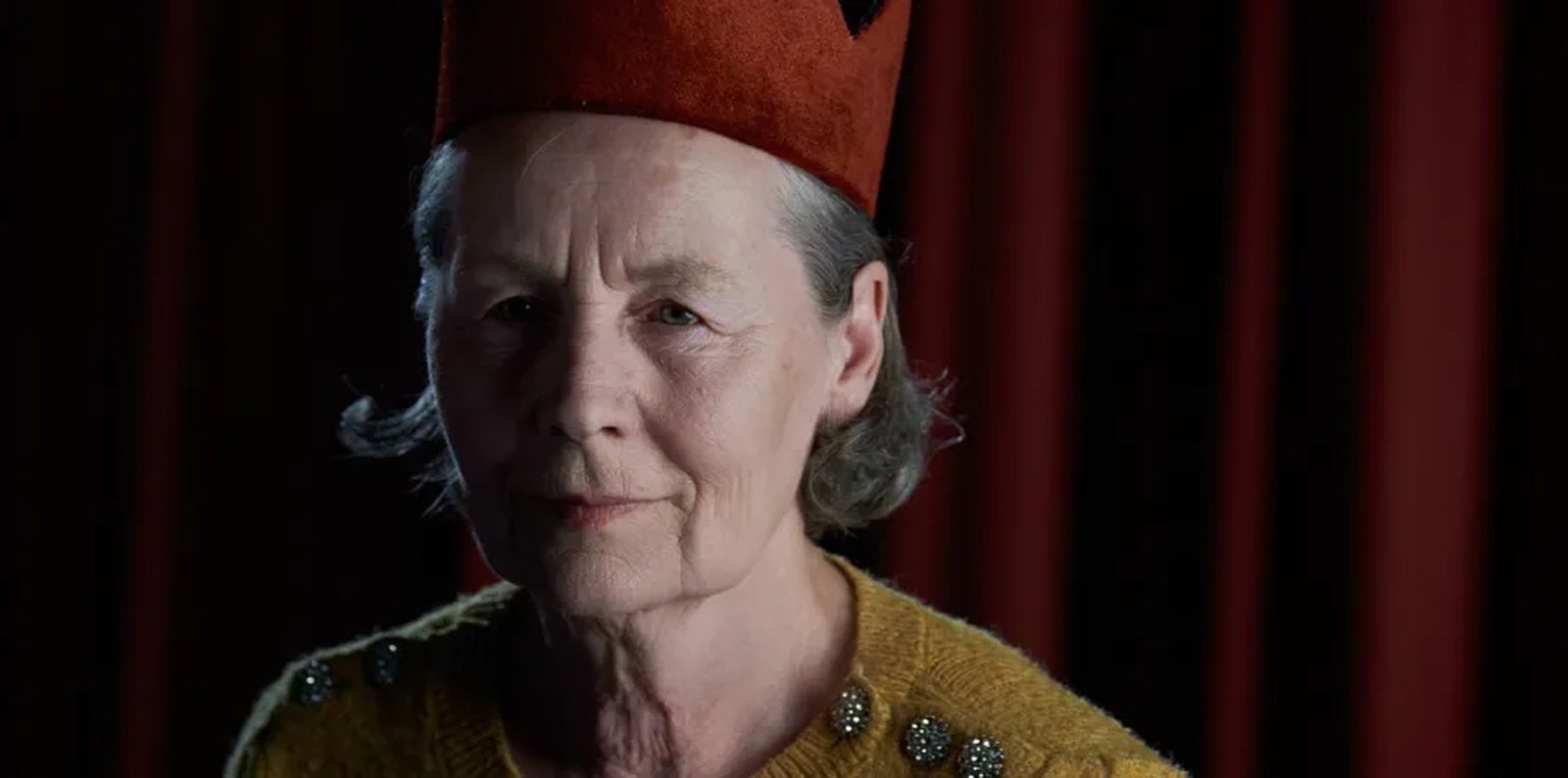
Actors file into a room, filling seats for a production of King Lear’s first table read. But this is no ordinary play. It stars Birita Mohr in a show directed by her son, Búi Dam, who Mohr fails to recognize, sitting just a few seats down from her. Birita follows the renowned Faroe Islands actress returning to the stage for the first time since 2011, her memory failing as Alzheimer’s disease takes hold.
Set mostly inside the theater where Mohr has been acting since she was 12-years old, Búi Dam doesn’t just take us inside of the play’s rehearsals, but inside of his family’s lives as they prepare for this daunting production. Alongside Mohr is her husband Egi Dam, who not only helps her get through her lines in the show but through the ebbs and flows of everyday life. Through rehearsals and mental preparation, the film builds to the moment when the curtain rises for an audience, a scene that hits like a ton of bricks, abandoning a traditional version of King Lear in favor of an original piece that pays tribute to Birita Mohr’s life and work. It makes for a final performance that Mohr won’t remember, but the people around her will never forget.
Despite directing the film about an incredibly personal topic, Dam’s approach to the story still feels neutral, as if he’s just a subject. He doesn’t shy away from discussions around the ethical concerns of putting someone with serious memory issues on stage. There’s a chance it could be seen as cruel or exploitative. But it was never meant to be a spectacle, he’s doing it to give his mother the final bow she’s earned. Dam probes even further, asking his father if she would’ve wanted this. It’s difficult for him to answer, but in the end he reveals what she said upon receiving her diagnosis. “Do not pity me,” a plea to be treated with the humanity she deserves.
“… the renowned Birita Mohr returning to the stage for the first time since 2011…”
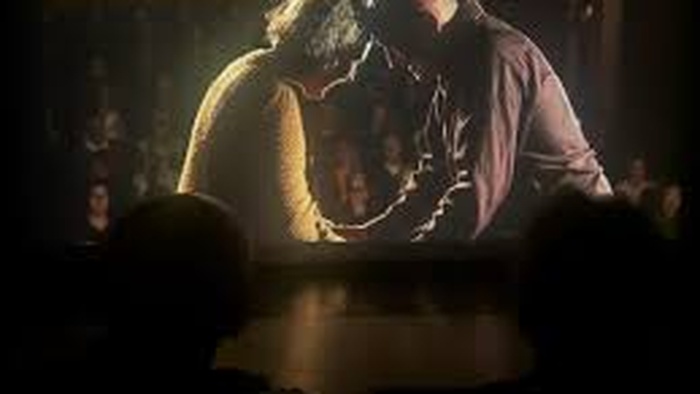
Dam cleverly pulls in archival footage from his mother’s life as a performer to ground the audience in the vibrancy she once displayed on-stage. The film is set against the beautiful backdrop of the Faroe Islands, giving cinematographer Franklin Symphor Henriksen so much to work with. Whether it’s shots of landscapes, intimate scenes at home or the stunning capture of the performance, Henriksen’s visuals are always engrossing. The film moves along at a brisk pace while still leaving moments for quiet reflection ahead of its moving, tear-inducing climax.
While the film never comes to a concrete conclusion on the ethics of pulling Mohr into this production, the scenes of her laughing and dancing with her fellow cast-mates speak volumes. Beyond a performance for an audience, it’s a chance for closure, not just for Mohr and her family, but for the people who have loved and worked with her for many years. Above all else, Birita isn’t just a film that highlights the power of the theater, it’s a celebration of Birita Mohr’s life as a performer and a mother–the perfect tribute from a loving son.