


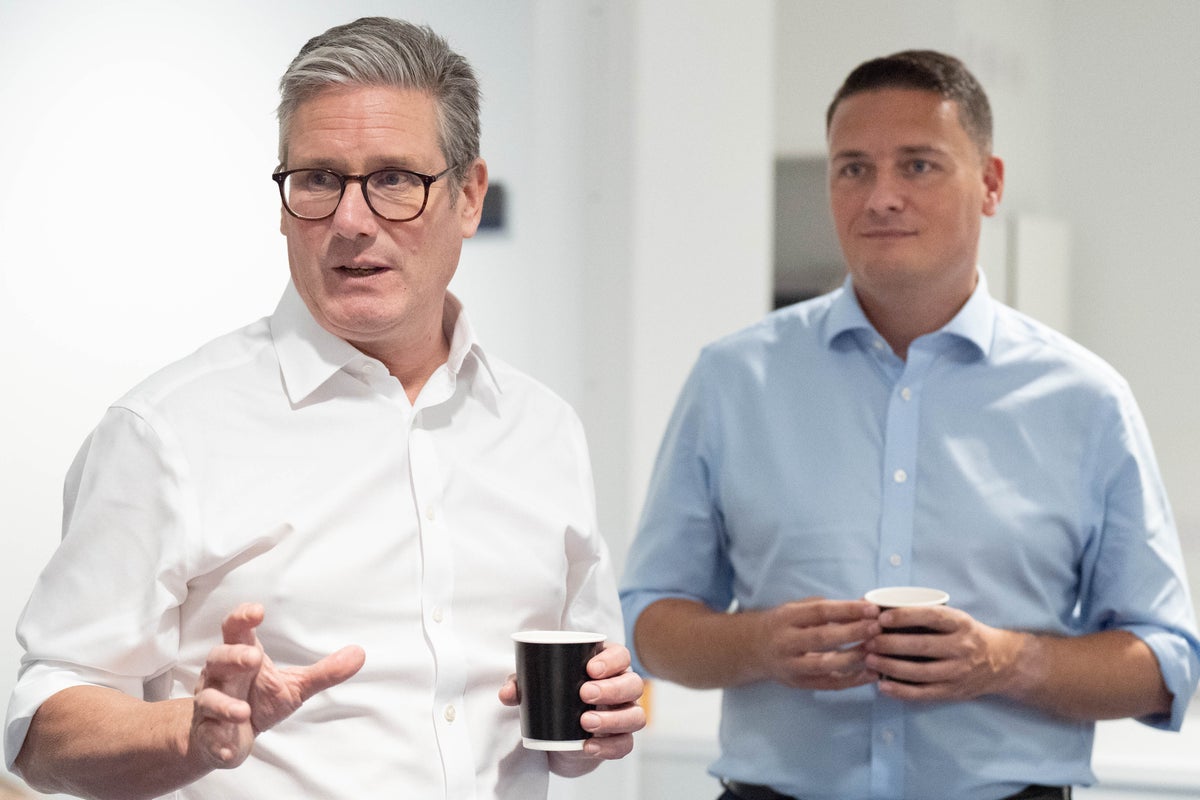
The future of Labour’s leadership has been plunged into deeper doubt following Wes Streeting’s resignation as health secretary and confirmation that Greater Manchester mayor Andy Burnham is eyeing a return to Westminster.
On Thursday, Makerfield MP Josh Simons said he is willing to give up his seat to allow Mr Burnham the chance to win a by-election, return to parliament, and challenge the prime minister, Sir Keir Starmer.
He said that the Labour Party “owes it to people to come back together” following last week’s defeat in the local elections.
It came just hours after Mr Streeting sent a blistering resignation letter to Sir Keir, saying: “Where we need vision, we have a vacuum. Where we need direction, we have drift.”
These developments follow days of mounting questions over the prime minister’s position and the prospect of a leadership challenge following dismal local election results last week.
But how could a leadership contest be triggered, what would it look like, and who could stand? Here is what we know about the road ahead for Sir Keir and for any potential challengers.
Will a Labour leadership contest be triggered?
This would depend on Mr Streeting, or another leadership hopeful within the parliamentary party, securing the backing of the 81 Labour MPs required to mount a challenge. It was unclear on Thursday whether he had reached this threshold, and his resignation letter appeared to imply he would not be triggering a contest immediately.
Who else could stand in a contest, and when?
In the letter, Mr Streeting said any contest should be “broad”, suggesting an openness to Mr Burnham standing in a race – although some have interpreted this as a sign that the ex-minister does not have the numbers to mount a challenge.
Compounding the uncertainty are the various logistical obstacles Mr Burnham, who is seen as party favourite to replace Sir Keir, would need to clear before standing in any race.
His path back to Westminster is complicated by his need to fight and win a by-election first.
Makerfield MP Josh Simons announced on Thursday evening that he would quit parliament to create a vacancy for Mr Burnham.
But the Greater Manchester mayor still requires permission from Labour’s ruling National Executive Committee (NEC) to contest the by-election, and will face a tough fight in a seat where Labour’s majority in 2024 was just 5,399 and Reform UK won every ward in last week’s local elections.
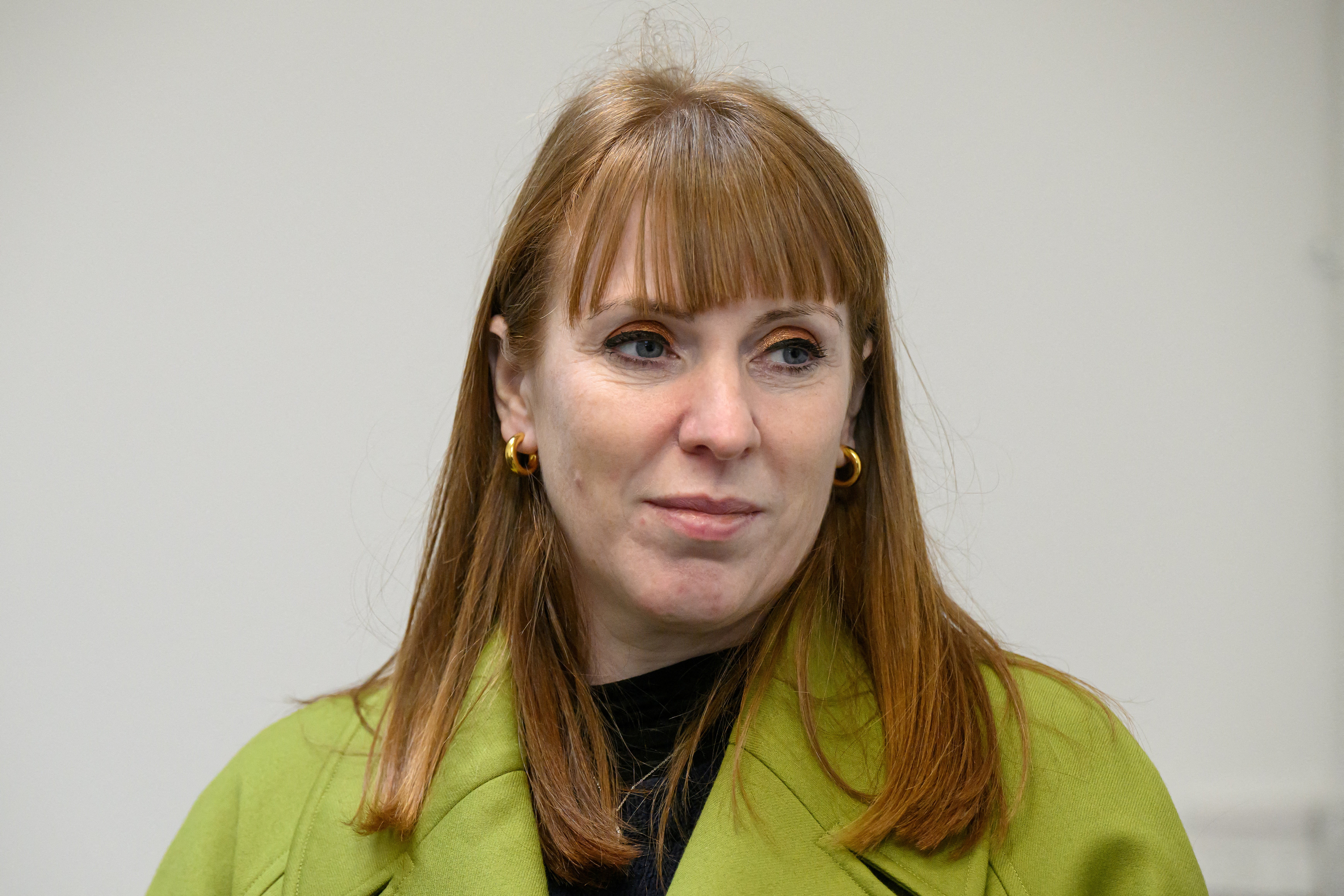
Speculation has also intensified that Sir Keir’s former deputy Angela Rayner could throw her hat into the ring after she said she had been cleared of tax misconduct in an HMRC investigation that previously overshadowed her prospects.
She denied having struck a pact with Mr Burnham that would see him lined up as her successor, and indicated she could run in any future contest, telling ITV on Thursday: “I am not doing deals.”
Meanwhile, Sir Keir himself insisted on Monday that he would fight any challenge to his leadership – a position that Downing Street reiterated on Thursday.
Armed forces minister Al Carns and energy secretary Ed Miliband have also been tipped as potential candidates.
How would a Labour leadership contest work?
After a leadership hopeful nails down 81 backers in the Commons, candidates are then put to a vote among party members, who rank them in order of preference.
A contender is declared the winner if they get more than 50 per cent of first preferences, and this usually happens though a process of elimination during rounds of voting, the timetable for which is set by Labour’s ruling NEC.

Can Sir Keir hold on to power?
This depends heavily on the movements of his wider cabinet.
Sir Keir dug in on Tuesday amid mounting calls from Labour MPs for his resignation, telling his senior ministers there was a formal process for challenging a Labour leader and that it had not been triggered.
This is true, but without the confidence of his cabinet, it would be all but impossible for him to continue to govern.
When Boris Johnson’s authority collapsed in 2022, he sought to cling to power by replacing senior ministers, after they had quit, with loyalist MPs. But it was a matter of days after the first cabinet minister stood down that he was forced to announce his resignation as Tory leader outside No 10.