


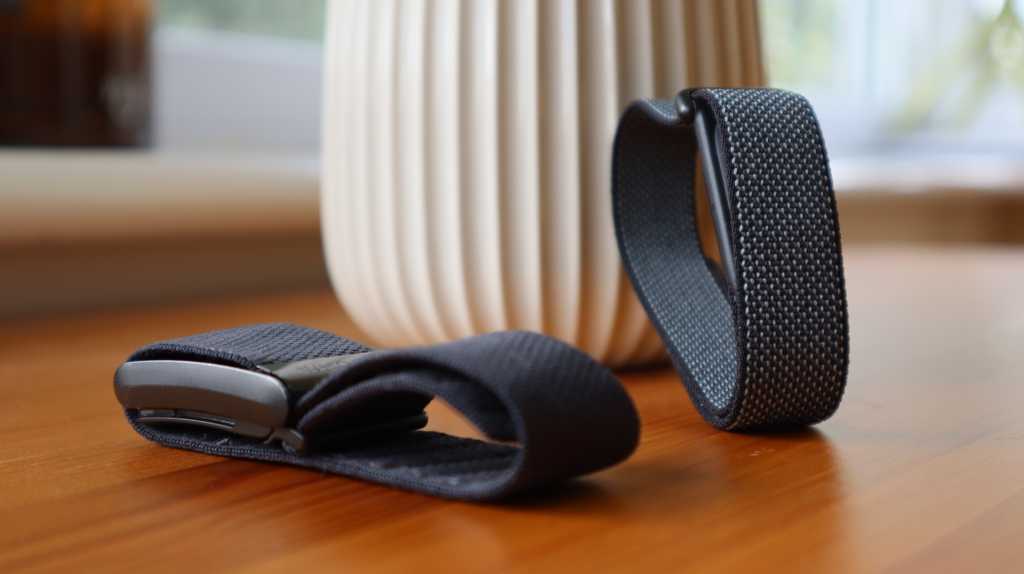
The Google Fitbit Air is very much the talk of the fitness tracking town right now, not only because it’s the first new Fitbit device that we’ve had in years, but it’s also one of the first big brands to go head-to-head with the established Whoop Strap (if you don’t count the Polar Loop and the Amazfit Helio Strap).
If you’re considering picking one up, then there’s a good chance that you’re trying to decide if it’s worth it against the latest Whoop Strap 5.0. So to that end, we’ve put together this Fitbit Air vs Whoop comparison guide to help you out.
For a bit of wider context, it’s worth knowing right off the bat that the Fitbit Air and the Whoop Strap don’t include an on-device display, and are instead designed as distraction-free trackers that can be worn discreetly, and are only really meant to be interacted with when it comes time to charge them up. This is the main selling point of this style.
If that doesn’t sound like your cup of tea then there are plenty of great options to check out in our guide to the best fitness trackers overall. Then again, if you think that these wrist-based wearables don’t go far enough in staying out of sight, then you may be better suited with one of the best smart rings.
There’s also word about a rumoured Garmin alternative in the works, known as the Garmin Cirqa, although it’s yet to be made official and so, for the time being, it’s the Whoop Strap 5.0 that serves as the main comparison point for the Fitbit Air. With that in mind, let’s dive into how these two trackers compare.
What’s your budget?
Before we can get into anything else about these two wearables, the thing that is almost guaranteed to make the decision for you is the price. The Whoop Strap and the Fitbit Air are aimed at two very different ends of the market, and that’s reflected in their respective price tags.
Although the brand originally required a one-off payment to use its wearables, Whoop moved over to a subscription model in 2018 and has stuck with it ever since. At the time of writing, the Whoop subscription tiers start at £169/$199 per annum, which is roughly £14/$16 a month when you break it down.
It’s not an insignificant amount of money, but it makes sense when you consider that Whoop’s target audience is professional athletes.
Thomas Deehan / Foundry
The Fitbit Air, on the other hand, follows Whoop’s old trajectory with a one-off cost of just £84.99/$99.99. At that price, the Air is far more affordable and works better for fitness enthusiasts who are tied to a strict budget. Plus, you can save 29% on this Fitbit Air bundle for a limited time.
There is an option to expand the Air’s features by having an active Google Health Premium subscription (which costs £7.99/$9.99 a month), but it’s not essential.
By comparison, the Whoop Strap cannot be used without an active subscription, so if you aren’t in it for the long haul, then the Fitbit Air will likely be the better option.
Winner: Fitbit Air
How detailed do you want your data?
One of the best things about the Fitbit ecosystem is its accessible approach to fitness tracking, especially for working adults who only have a limited amount of time in the week and just need some encouragement to get out and exercise more. Even though the Fitbit Air is designed to offer a bit more advice on your overall bill of health, it keeps that sense of accessibility going through the new Google Health Coach app.
Although you can dive into greater detail if you wish, the app features a scaled-back and clearly signposted UI that can show you at a glance how well you’ve slept, how ready your body is to tackle another workout, and how much progress you’ve made towards your weekly target. If you’ve had experience with using a Fitbit in the past, then it’ll all feel very familiar.
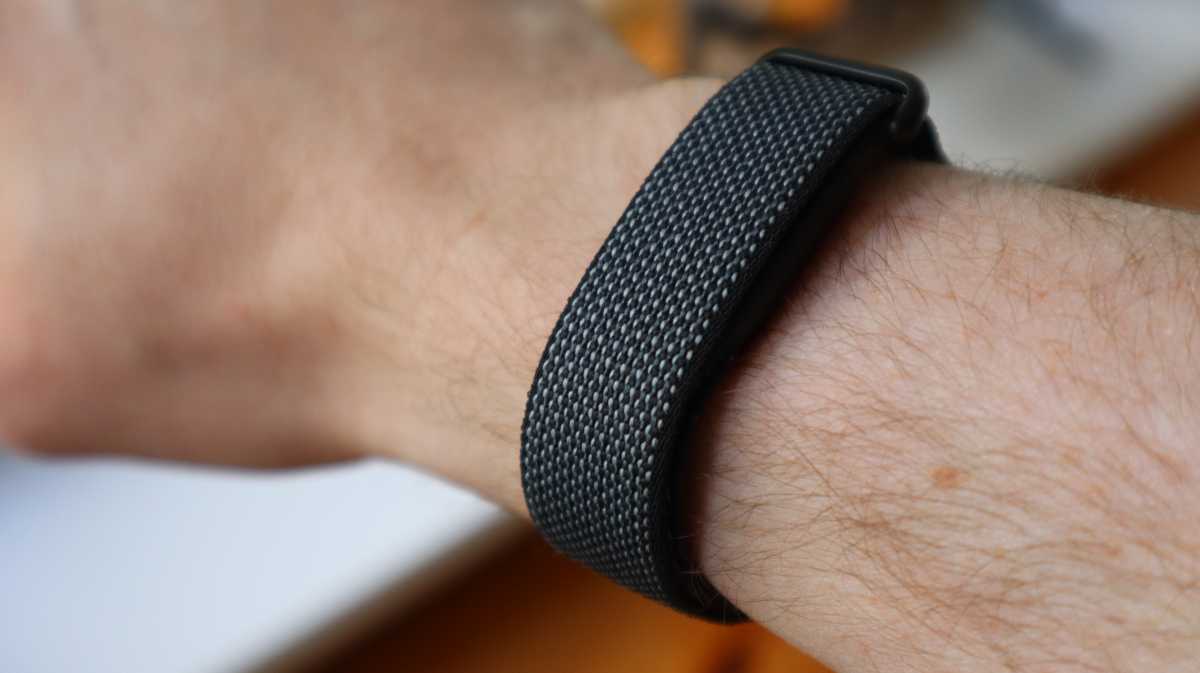
The Whoop Strap, on the other hand, because it’s been designed for athletes who not only understand the intricacies of fitness tracking data but plan on spending time poring over the details to find ways of reaching a new personal best, it’s a far more comprehensive experience right from the jump.
Thomas Deehan / Foundry
In just a few taps, the Whoop app can show you graphs for your stress levels, energy exertion throughout the day, extensive breakdowns of how your previous night’s sleep compares to what has come before it, and more. It can be overwhelming to those who aren’t well-versed in what all of this data means, but for those looking to make big changes and optimise their workout routine as much as possible, it’s essential.
Winner: Whoop Strap
How much do you value AI?
It doesn’t matter if you’re looking at phones, televisions or even some washing machines; practically all products in 2026 feature some form of AI integration and that’s also true of the Fitbit Air and the latest Whoop Straps.
Admittedly, Whoop was one of the first companies to hop aboard the bandwagon with the brand’s AI Coach having debuted on the app back in 2023. Not only can the service be used to distil all of the information collected into a written summary with actionable advice, but you can also converse with the coach to develop workout plans based on what it already knows about you.
It’s a great feature within the Whoop ecosystem, and in an attempt to thwart this new crop of competitors, it’s recently been expanded with new tools, including ‘My Memory’ which ensures that workout suggestions can be even more incisive when additional information is provided. The problem is that, with all the money invested in Gemini, Google (and Fitbit by extension) has access to one of the most powerful AI platforms on the planet, and as such, it’s placed Gemini at the centre of what the Fitbit Air is all about.
The rebranding of the Fitbit app (and Google Fit) to Google Health Coach is a big part of this, and right from the jump, Fitbit Air users will be required to have a short interaction with the AI Coach so that it can build up an understanding of your existing workout routine, any injuries that are worth taking into account and more.
Once the Health Coach starts to collect data via the Air (and you can optionally wear a Pixel Watch 4 at the same time for a larger, more accurate dataset between the two), it can provide an AI-based summary of your day right there on the app’s homepage.
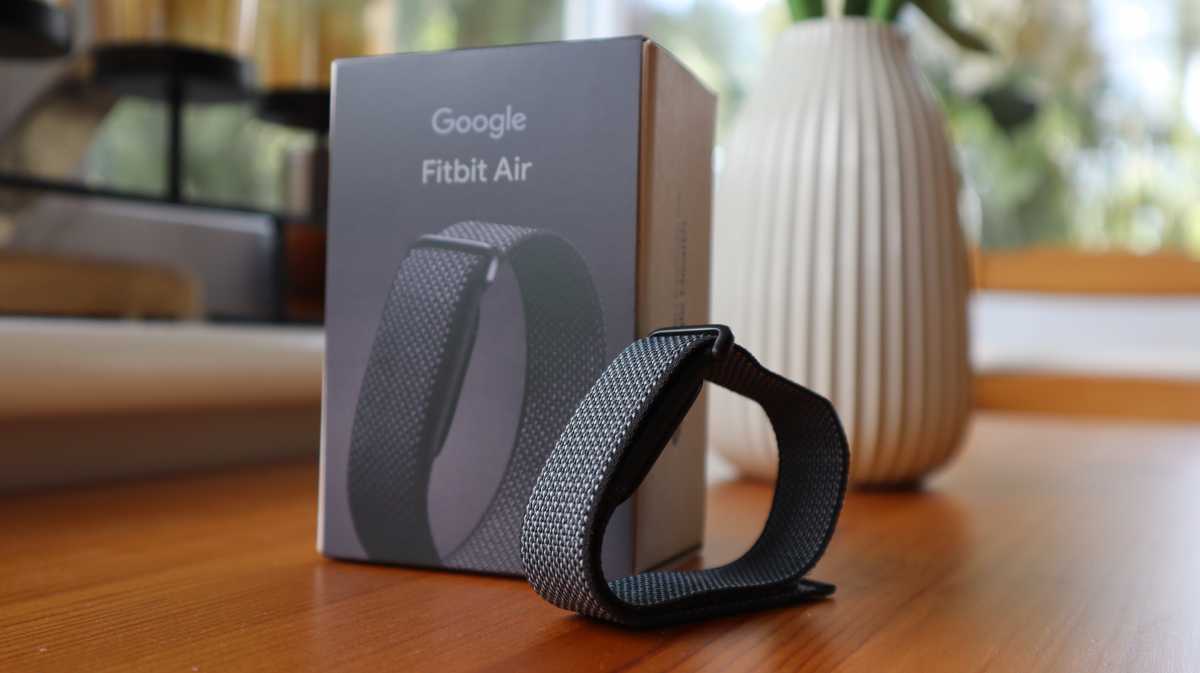
Of course, we don’t know where the limits of this AI-integration lie until we’ve used the Fitbit Air for some time, but at the moment, it appears as if the Fitbit Air is essentially built around Gemini, as opposed to how Whoop incorporated AI as an extra feature after the fact.
Thomas Deehan / Foundry
Winner: Draw
Fitbit Air vs Whoop Strap: Conclusion
If there’s one thing that can be summarised from comparing the Whoop Strap and the Fitbit Air at this point in time, it’s that the sector has never felt more exciting and if you’re now considering picking up a screen-free fitness tracker, there’s hasn’t been a better time to do so.
New adopters of the Whoop Strap 5.0 (or the Whoop Strap MG) will find years of software innovation just waiting to be accessed, and it’s no surprise that Whoop has been able to build up such a dedicated following, given just how much more data it can provide than the average smartwatch.
The problem with Whoop, unfortunately, has always been its high asking price and that is where the Fitbit Air can fill an obvious gap in the market. For anyone who isn’t a professional athlete and doesn’t want to spend a sizeable chunk of cash each year just for the benefit of leading a healthier lifestyle, the Fitbit Air with its one-off price tag is sure to be the more preferable option for a lot of people.
Until we finish testing the Fitbit Air (stay tuned for a full review soon) we don’t yet know if the device can succeed in all the expectations that Google has of it, but from what we’ve seen so far, this does feel like the first screen-free device to truly give Whoop a run for its money.