


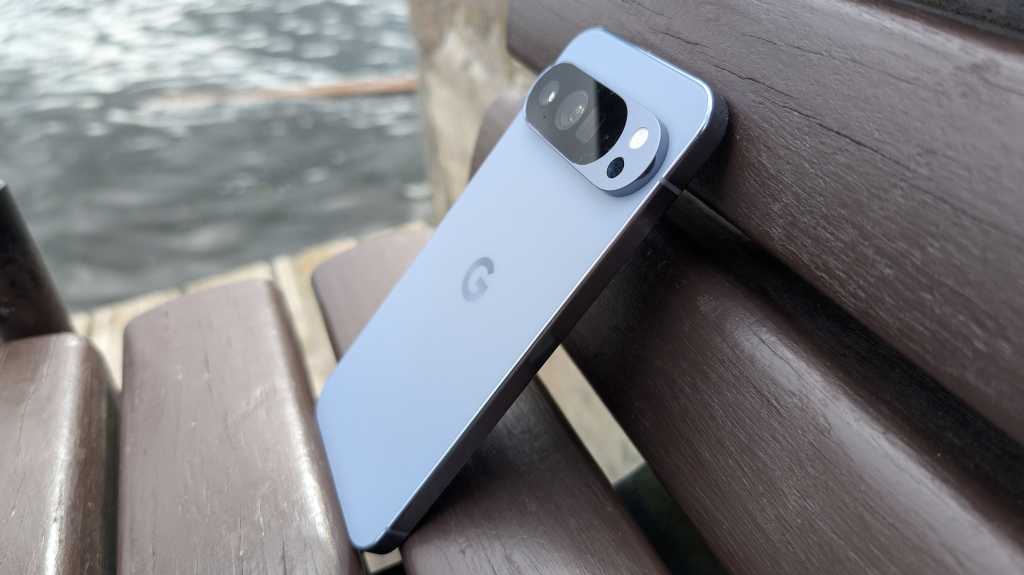
I have a love-hate relationship with the Pixel 10 Pro XL.
On one hand, Google’s latest flagship is arguably peak smartphone, with a fusion of premium hardware and feature-rich software that most rivals could only dream of. I was overwhelmingly praiseworthy in my 9/10 review last year, and it sits at the top of our best phones guide to this day.
However, over time, minor shortcomings morphed into significant drawbacks for me, making the phone more frustrating than enjoyable to use.
Once March rolled around, I’d finally had enough. My SIM card came out of the 10 Pro XL and into the Galaxy Z Fold 7, a device that has unexpectedly impressed me (though don’t take it to the beach). I’m very lucky to have such a credible alternative, something which would be impossible for most people.
And the good news is that my Pixel 10 Pro XL dealbreakers could easily be fixed with Google’s upcoming replacement, the Pixel 11 Pro XL. With three relatively simple changes, the 11 Pro XL could be a far superior phone, setting a new standard for flagships in the process.
Problem 1: Software is too restrictive
Google has long received praise for its feature-rich, “stock” Android experience, and deservedly so. However, in 2026, software has become a key reason not to buy a Pixel phone if you ask me.
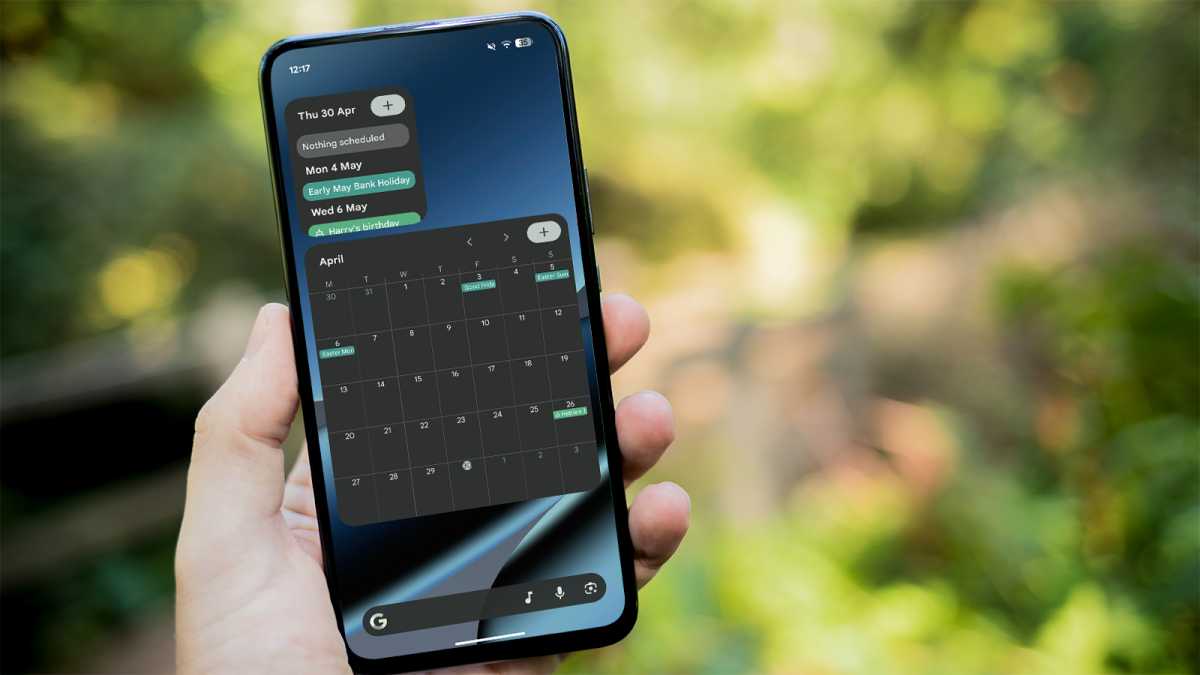
The home screen epitomises this. For years, Google refused to offer us any meaningful way to personalise it without downloading a third-party launcher.
Luke Baker
While the company finally let you remove the annoying ‘At a Glance’ widget earlier this year, the search bar remains a permanent fixture. It takes up a lot of space for something I literally never use.
…in 2026, software has become a key reason not to buy a Pixel phone.
Elsewhere, Android 17 fixes the long-standing issue of a single quick settings toggle for Wi-Fi and mobile data (at long last!), but it came too late to prevent me from switching. Ditto for removing app labels, which only added to the home screen clutter.
Then there were the first-party widgets. I’m genuinely baffled that Google could make widgets that looked this ugly, especially when Samsung shows how easy it is to make them look beautiful.
Foundry
However, it was an altogether more mundane feature that finally convinced me to switch. Unlike Samsung and Motorola phones, Google doesn’t let you disable the app drawer, despite many people preferring the home screen-only approach.
As someone who was trying to reduce mindless phone usage, seamless access to every app was the opposite of what I needed, which made the Pixel UI a no-go.
How the Pixel 11 could fix it: Let the people do what they want!
By running Android 17 out of the box, the Pixel 11 series will already be a big step up in the software department. But Google could undoubtedly go further.
For many people, the huge appeal of Android is its extensive customisation options, but these abilities are weirdly hamstrung on Pixel phones. I want to be able to change everything about the way my phone looks and feels, yet maintain the simplicity of the default user interface. Currently, that’s totally impossible.
Better first-party widgets and the option to remove the home screen search bar are my top priorities, while Gemini Intelligence introduces the possibility of AI-generated, personal widgets.
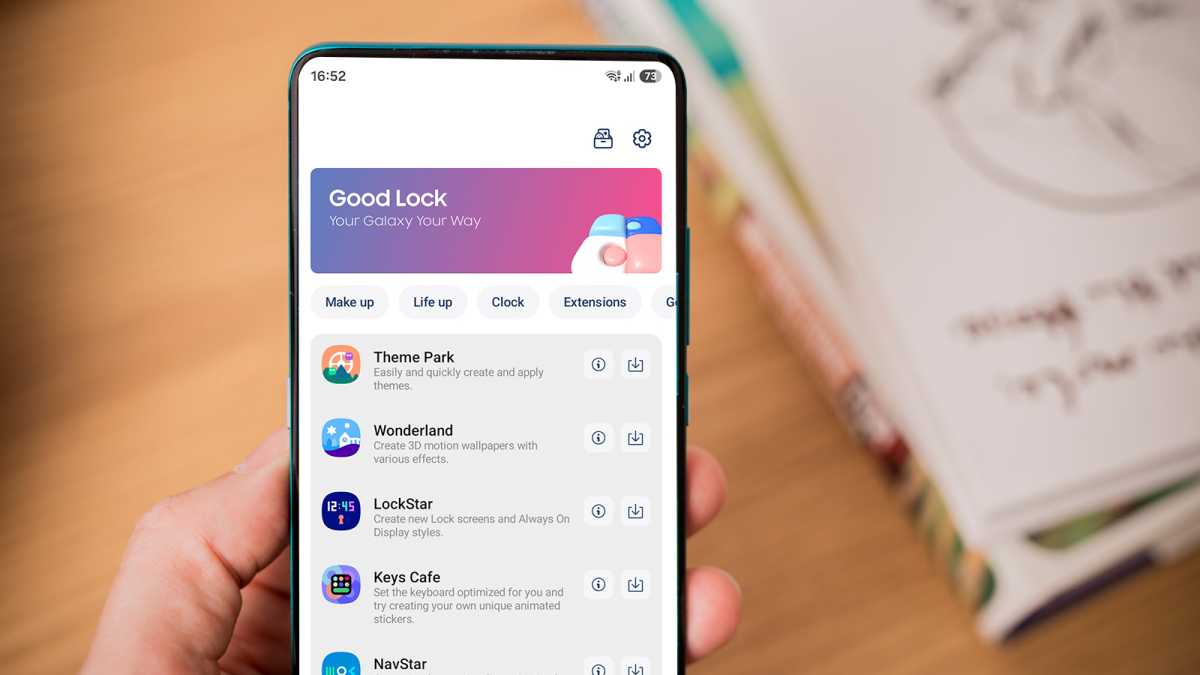
But I’d love Google to introduce its own version of Samsung’s Good Lock app, which offers a near-endless array of customisation options. Currently, the Pixel feels even less customisable than the iPhone, which is saying something.
Foundry
Problem 2: It’s too damn heavy
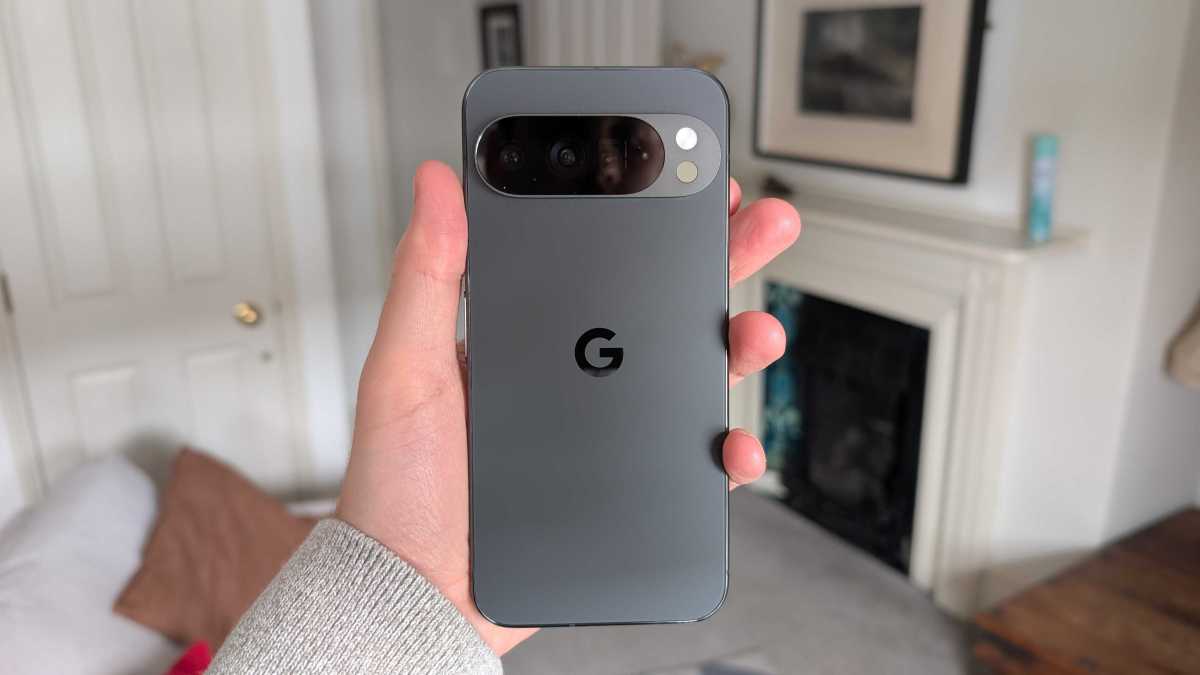
At 232g, the Pixel 10 Pro XL is one of the heaviest phones you can buy. Add in the official Pixelsnap case (which I really like), and you’re looking at over 260g. That’s simply too heavy to be comfortable for a daily driver.
As a result, the 10 Pro XL is almost impossible to use one-handed, even for a short period of time. And unlike many modern handsets, I can never ignore it weighing down my pocket.
When the Galaxy Z Fold 7 offers two screens yet remains 17g lighter, you know Google has gone too far.
Anyron Copeman / Foundry
As the weeks progressed, the device became even more of a chore to hold, so I relished the opportunity to switch to something lighter. When the Galaxy Z Fold 7 offers two screens yet remains 17g lighter, you know Google has gone too far.
How the Pixel 11 could fix it: Make it thinner and upgrade the aluminium
Of course, the easiest way to make a phone lighter is by reducing its total footprint. But this is an XL device, so the large 6.8-inch display is de rigeur, while the bezel around it is already about as slim as you could expect.
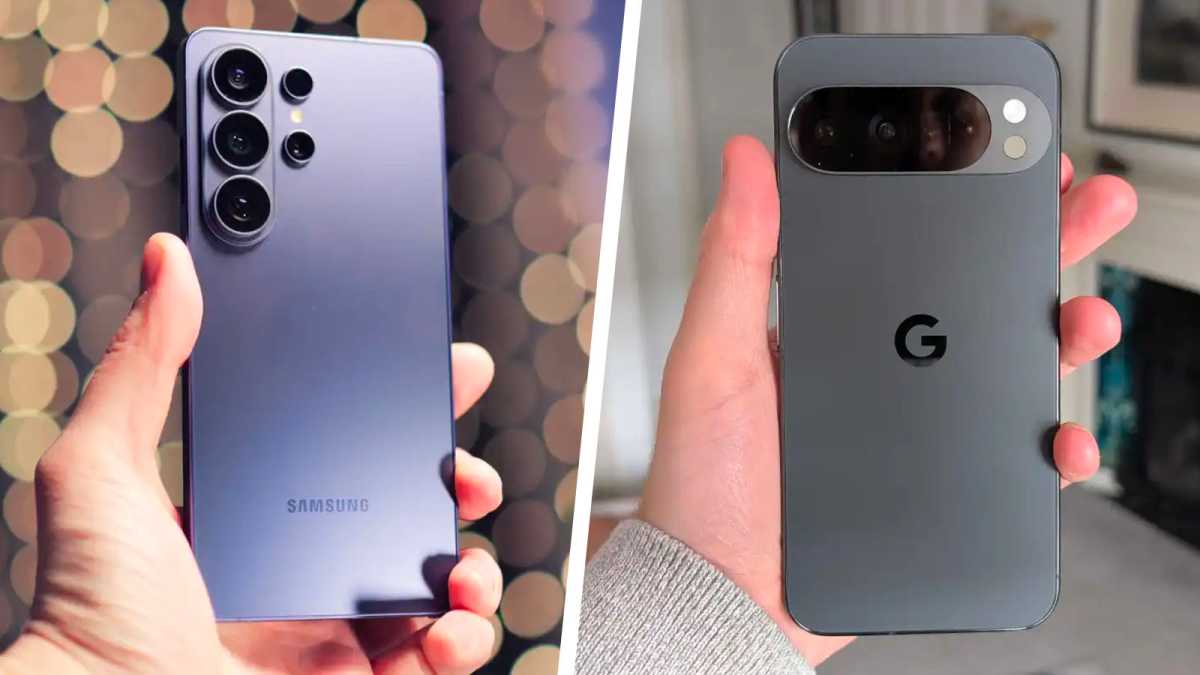
Instead, Google needs to focus on the actual materials it’s used to make the 10 Pro XL. Samsung’s Galaxy S26 Ultra has an even bigger 6.9-inch screen, yet it weighs just 214g. I doubt anyone would argue that it feels less premium than the Pixel.
The key difference appears to be two-fold. Firstly, the S26 Ultra is significantly slimmer (7.9mm vs 8.5mm), suggesting a more efficient use of the available space. As a result, less aluminium is required in the casing and frame, helping it remain more lightweight.
Foundry
The specific type of aluminium also plays a role. Samsung uses an alloy known as “Armor Aluminium”, which is specifically designed to be lighter than the standard stuff.
To help illustrate this, 2024’s Galaxy S24 Ultra used a titanium frame instead and was 8.6mm thick. As a result, it weighed a hefty 232g.
With one of its major rivals already offering plenty of weight-saving tips, it should be easy for Google to make the Pixel 10 Pro XL significantly lighter than its predecessor.
Problem 3: Zoom photography is underwhelming
On modern flagships, at least three high-quality rear lenses are expected: main, ultrawide and telephoto.
The Pixel 10 Pro XL aces two out of the three, but struggles big-time with zoom photography. Its 48Mp periscope telephoto offers 5x optical zoom to perform well in nearby scenes, but anything beyond 10x is very underwhelming.
If I wanted an AI-generated image, I wouldn’t have bothered taking the snap in the first place.
Google’s ‘Pro Res Zoom’ then kicks in at 30x, filling in the missing details using AI all the way up to a whopping 100x.
Or at least, that’s what it claims. In my experience, it’s been a big letdown, ranging from unrealistic scenery to straight-up hallucinations. If I wanted an AI-generated image, I wouldn’t have bothered taking the snap in the first place.


How the Pixel 11 could fix it: Ditch the AI gimmicks and focus on hardware
AI isn’t going anywhere, and it looks set to be an even bigger part of the Pixel 11 series. But these tools should be used to support great zoom photography, rather than replace it entirely.
To achieve this, Google needs to deliver a major upgrade to the telephoto to help it compete with the likes of the Oppo Find X9 Ultra and Xiaomi 17 Ultra. In Versus’ side-by-side comparison, it also ranked behind the OnePlus 15, iPhone 17 Pro Max and Galaxy S25 Ultra.
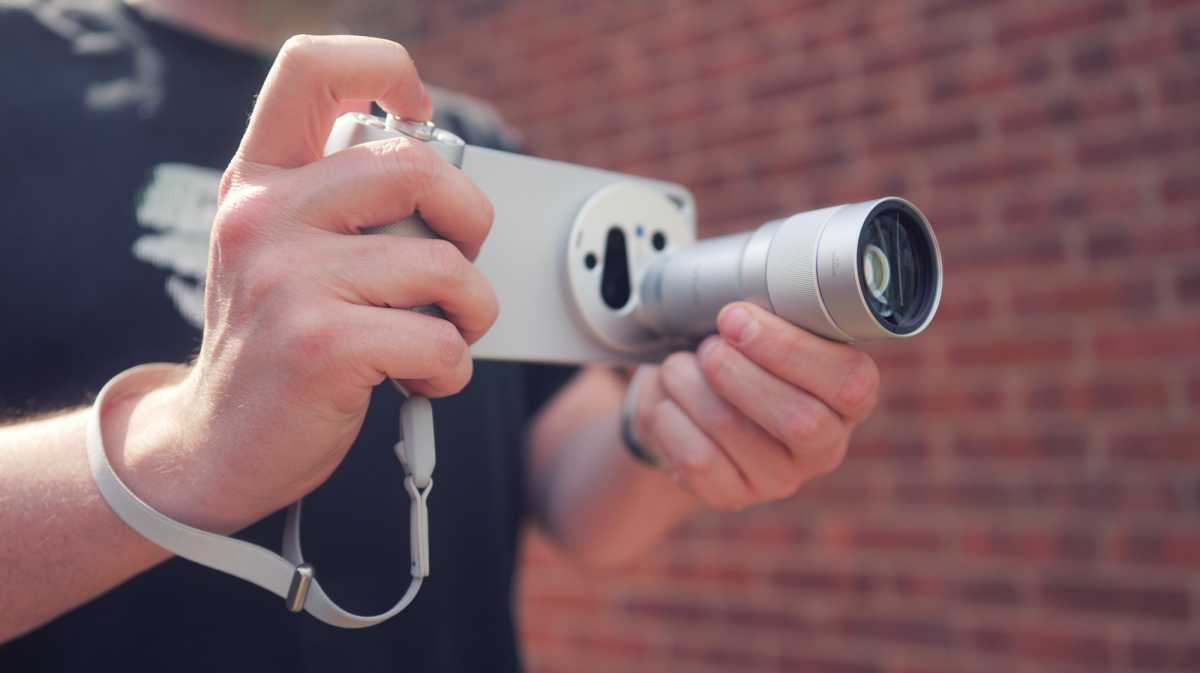
With no camera hardware improvements between the 9 Pro XL and 10 Pro XL, an upgraded telephoto is overdue on the Pixel 11 series. While Vivo and Oppo-style first-party extender kits would be great, a simple lens upgrade would make a big difference.
Luke Baker
A tantalising prospect
While writing this article, I’ve become increasingly excited about what the Pixel 11 Pro XL could become.
While there’s no evidence suggesting Google will implement any of these, they all feel very achievable within the 10 Pro XL’s £1,099/$1,099 starting price – regardless of the ongoing global RAM shortage.
If my 11 Pro XL wishlist becomes a reality (we should find out in August), it’d be hard to see any other phone topping our best phones guide. And crucially, that positive experience would be much more likely to be sustained over time. Come on Google, you can do this!