


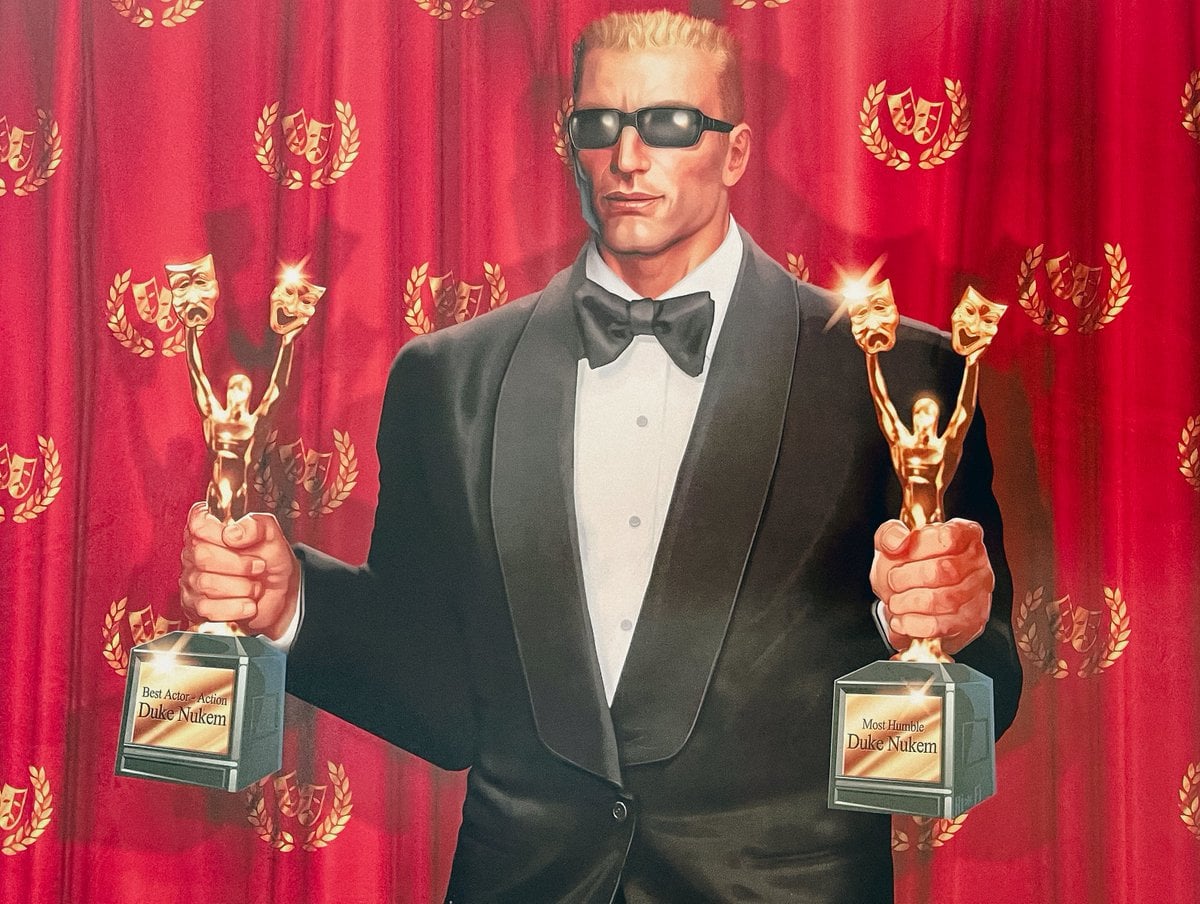
In a slate of newly announced rules, the Oscars are making themselves clear: only human beings can win awards. In the past this may have settled the eligibility of Rin Tin Tin, but in the 21st century this obviously concerns AI. According to The Hollywood Reporter, it’s gotta be a person from script to screen. It keeps the people in the spotlight and discourages some of the grosser trends of recent years. The question is will gaming awards, which are milder on respecting the creators involved, follow suit.
On Friday, the Academy of Motion Picture Arts and Sciences dropped new regulations around the Oscar awards, eligibility for them and the nomination process. Performers can now land multiple nominations in the same category, which has always been the case for writers, directors and other disciplines. Most of these redrawn rules regulate international films, deciding that it’s no longer a one-per-country category, and that the governing body of each film’s origin no longer need to be as involved (eliminating obvious conflicts of interest for more politically contentious works).
What’s garnering a bit of interest are rules limiting AI, just as major Hollywood studios begin to reveal their longterm ambitions. Some big names are airing their AI infatuations, such as Darren Aronofsky and Steven Soderbergh. Others are horrified, especially in regards to severing the workforce. AI firms seem especially invested in hijacking Hollywood, using the likeness of superstars for fidgety action showpieces.
While it may not stymie the use of AI in Hollywood, the Academy is stomping out the dreams of Tilly Norwood delivering an acceptance speech. New eligibility rules dictate that the nomination must match up with the legal credits and consented human performances, taking out the possibility of awards for those creepy posthumous CGI recreations of actors as well. The Academy also has the right to investigate how much AI was involved in the creation of the film.
It’s a refreshing change of pace from a major entertainment institution. The Grammys initially took a harder stance against AI made works in 2023, but seem to have loosened up since then. The presence of AI in honors for gaming is almost certainly going to get a lot uglier.
AI had a surprisingly muted presence at the most recent Game Awards, but more consistent was the longtime tradition of minimizing the presence of human creators. Only a handful of winners are granted time to deliver a speech, with even the winners of the top prize getting cut off. The biggest night in gaming postures itself as being analogous to the Oscars, but it’s largely understood to be an opportunity to plug mobile games and ARK expansions. The other major awards are hardly as shy around the subject.
The BAFTAs don’t have as high a profile as Geoff Keighley’s production, but they’re one of the more respected outfits for game awards, being a companion to the British Academy’s black tie affair. On Friday, Sorry We’re Closed co-creator C.Bedford was unhappy to discover a photo of them had been repurposed to promote a BAFTA panel about using AI in games. “I have no association with it what so ever and want to make it clear that I am NOT participating in this event nor will be attending it,” posted Bedford. “The talk I attended last year was titled “Masterclass: Social Mobility and the Games Industry”. I was unaware that my photo would be used in this way. I have no interested in the use of generative AI, or AI content. It’s frustrating to have this association created without my knowledge or consent.”
AI is mentioned in the submission rules for certain BAFTA categories. While they asks that submissions declare the usage of AI, it doesn’t mean those games would be barred for doing so. One award show that has made themselves crystal clear are the Indie Game Awards. Last year the IGAs retracted the nominations for Clair Obscur: Expedition 33 over AI usage, right after the game swept the non-indie Game Awards. “The Indie Game Awards have a hard stance on the use of gen AI throughout the nomination process and during the ceremony itself,” the IGAs wrote in a statement.
AI is already making itself known in the gaming world. Sometimes proudly, most of the time accidentally. AI assets slipping into the final product will not hurt Crimson Desert‘s awards season chances. The BAFTAs appear to be warming up to AI and The Game Awards have always put the industry ahead of its people. Clear regulations about the use of generative AI would be ideal, but even addressing it is likely asking for too much. The public appear to be against paying for AI-created works, on top of aghast with the tech at large, even among those who use it.
The incentives for AI within the industry, who lay off hundreds on a good day, are clear. How they launder happier sentimentality through awards shows and beyond will be one of the larger non-Chris-Rock-involved fights to appear on these stages.