


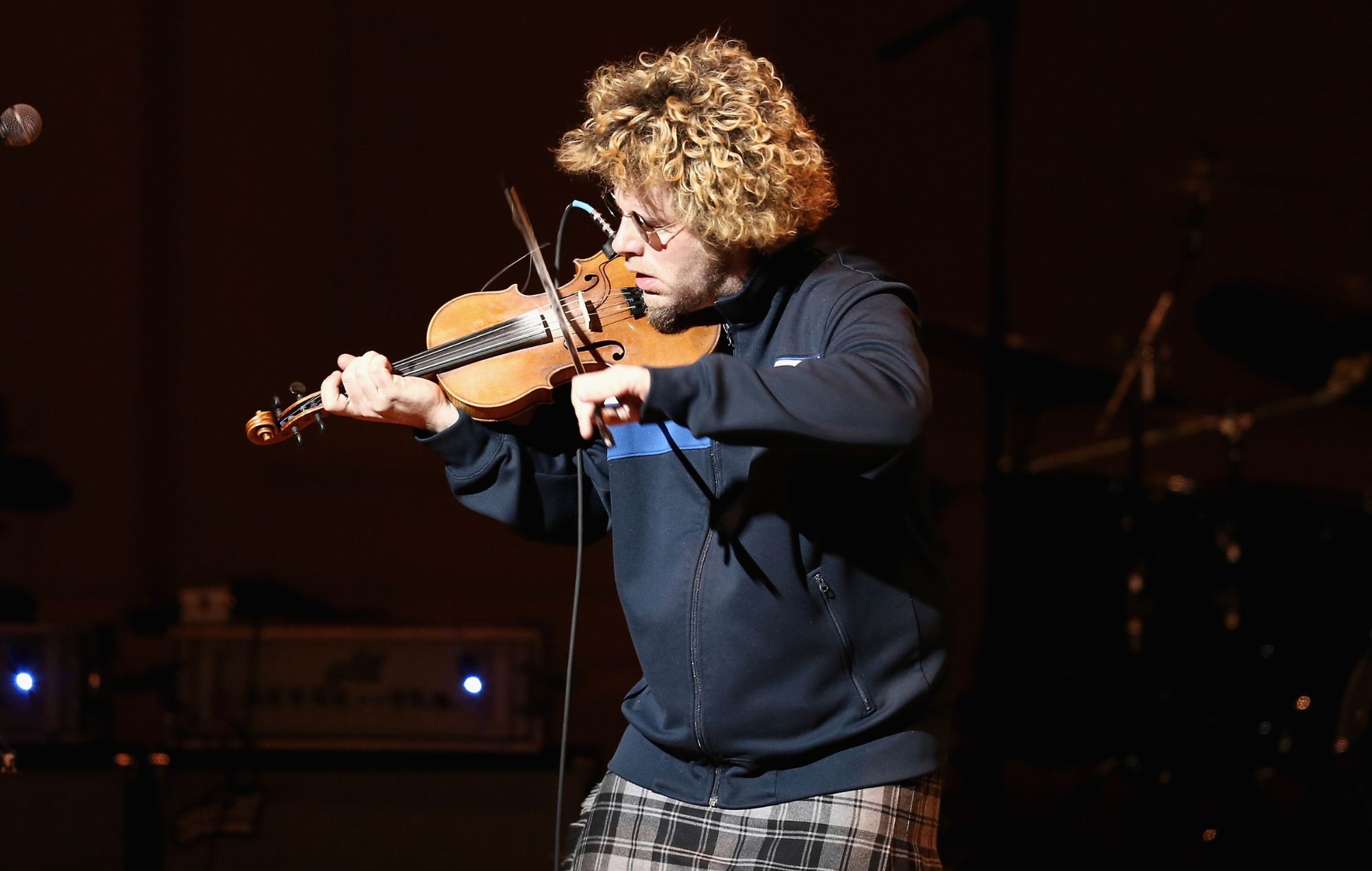
A Canadian fiddle player is suing Google for $1.5million, alleging that its AI Overview wrongly said he was a sex offender.
Ashley MacIsaac, an award-winning musician, filed the claim at the Ontario Superior Court of Justice and argued that the online giant is liable for its AI-generated Overview feature, which wrongly listed that he had been convicted of several offences.
These offences it listed included the sexual assault of a woman, luring a child online with the intention of sexual assault, and assault causing bodily harm. It also wrongly claimed that the musician had been listed on the national sex offender registry, according to the lawsuit (via The Hollywood Reporter).
This, he outlines in the filing, was something he discovered when Sipekne’katik First Nation informed him that a show he was set to play on December 19 2025 had been cancelled due to complaints made by the public, citing the false information on Google’s AI Overview.
He is now suing Google for $500,000 (£368,867) in general damages, $500,000 (£368,867) in aggravated damages, and $500,000 (£368,867) in punitive damages.
Sipekne’katik First Nation has issued an apology to MacIsaac for cancelling the December concert and admitted that the move was “based on incorrect information generated through an AI-assisted search, which mistakenly associated you with offences unrelated to you”.
They added that they “deeply regret the harm this caused to your reputation and livelihood” (via The Guardian).
MacIsaac’s lawsuit against Google states: “As the creator and operator of the AI overview, Google is also liable for injuries and losses arising from the AI overview’s defective design. Google knew, or ought to have known, that the AI overview was imperfect and could return information that was untrue”.
He also alleges that Google has yet to contact him directly or offer an apology.
“Google’s cavalier and indifferent response to its publication of utterly false statements claiming that MacIsaac committed serious sexual offences, including offences involving children, justifies the award of aggravated and/or punitive damages,” the filing reads.
“If a human spokesperson made these false allegations on Google’s behalf, a significant award of punitive damages would be warranted. Google should not have lesser liability because the defamatory statements were published by software that Google created and controls.”
The musician told the Canadian Press about the consequences of the error, saying that it meant that he now “feared for my own safety going on stage because of what I was labelled as” and left uncertain about how long the wrongful claims will “follow” him.
He also told The Guardian (via his lawyers) that he felt the need “to speak out to the media to clear my name and bring attention to the issue”.
“I believe this is a serious issue that needs to be resolved in the courts,” he added. “I do not want to do or say anything that may hinder the lawsuit’s progress, or distract attention from this issue.”
Google reps have yet to publicly comment on the lawsuit, although in December they did share a statement that clarified that “AI Overviews frequently improve to show the most helpful information,” and added that they “invest significantly in the quality of responses.”
“When issues arise – like if our features misinterpret web content or miss some context – we use those examples to improve our systems and may take action under our policies,” it added.
The AI Overview on Google for MacIsaac is now updated to reflect the legal action he is taking against the online search platform.