


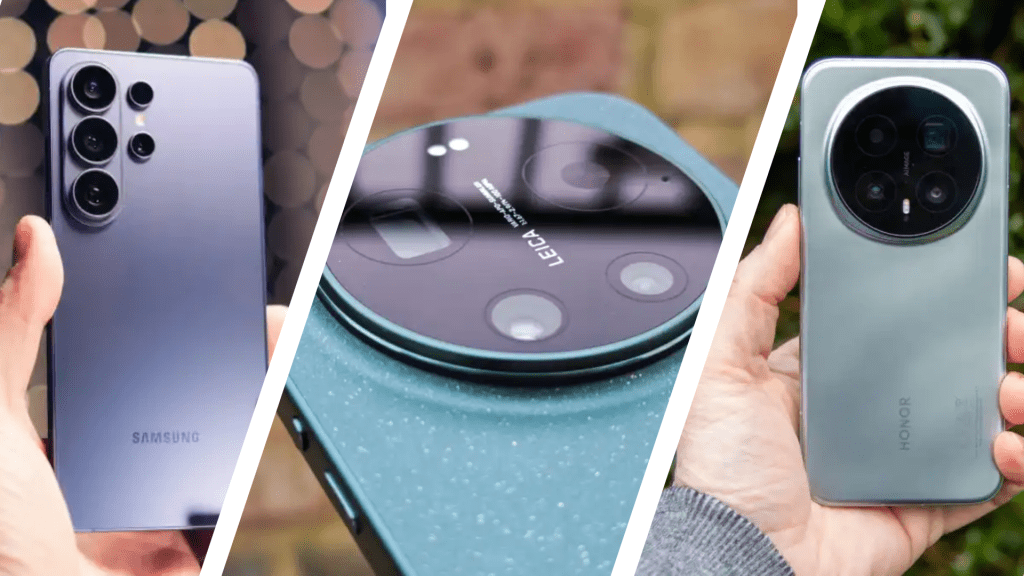
Unless you’re a camera enthusiast, you probably take most of your photos and videos with a smartphone, and you’re not alone. According to UK photo printing company Max Spielmann (via Digital Camera World), around 92.5% of the estimated 4.7 billion photos captured each day are taken using a phone.
PROMOTION
Unlimited Tracfone Freedom plan $45/mo
Tracfone’s first fully unlimited plan provides unlimited data, talk and text, 15GB hotspot data and added bonus Identity Protection by IDnotify from Experian. For only $45/mo with Auto-Refill – no longer term contracts required.
That’s a lot of people relying on their phones to capture the world around them every single day. So, it probably goes without saying that cameras are a crucial aspect of modern handsets.
| Check | |||
|
Show Pros & Cons Pros
Cons
Hide Pros & Cons |
|||
|
View Deal | ||
|
Show Pros & Cons Pros
Cons
Hide Pros & Cons |
|||
|
View Deal | ||
|
Show Pros & Cons Pros
Cons
Hide Pros & Cons |
|||
|
Check | ||
|
Show Pros & Cons Pros
Cons
Hide Pros & Cons |
|||
|
View Deal | ||
|
Show Pros & Cons Pros
Cons
Hide Pros & Cons |
|||
|
View Deal | ||
|
Show Pros & Cons Pros
Cons
Hide Pros & Cons |
|||
|
View Deal | ||
|
Show Pros & Cons Pros
Cons
Hide Pros & Cons |
|||
|
Check | ||
|
Show Pros & Cons Pros
Cons
Hide Pros & Cons |
|||
|
Check | ||
|
Show Pros & Cons Pros
Cons
Hide Pros & Cons |
|||
|
View Deal | ||
|
Show Pros & Cons Pros
Cons
Hide Pros & Cons |
|||
|
|
|||
However, as you’re probably aware, image and video quality vary hugely depending on the phone you choose. Many flagship, mid-range and even budget phones can take good photos, but only a select few reach an elite level when it comes to photography and/or videography.
In this article, we’re showcasing the 10 absolute best from the extensive selection we’ve tested from brands such as Samsung, Google, Apple, Xiaomi and more. If you want to take superb photos or videos consistently, you’ve come to the right place.
Here are our top 10 options for the best smartphones for photography and video. Make sure to click through to our full reviews to find out more and see camera samples.
Best camera phone reviews
1. Xiaomi 17 Ultra – Best Overall
Pros
- Excellent cameras
- Large, dazzling display
- Strong battery life & charging
- Top specs and performance
Cons
- Bulky, with large camera bump
- Mixed own-brand AI performance
- Fewer OS updates than some rivals
Price When Reviewed:
Unavailable in the US
Best Prices Today:

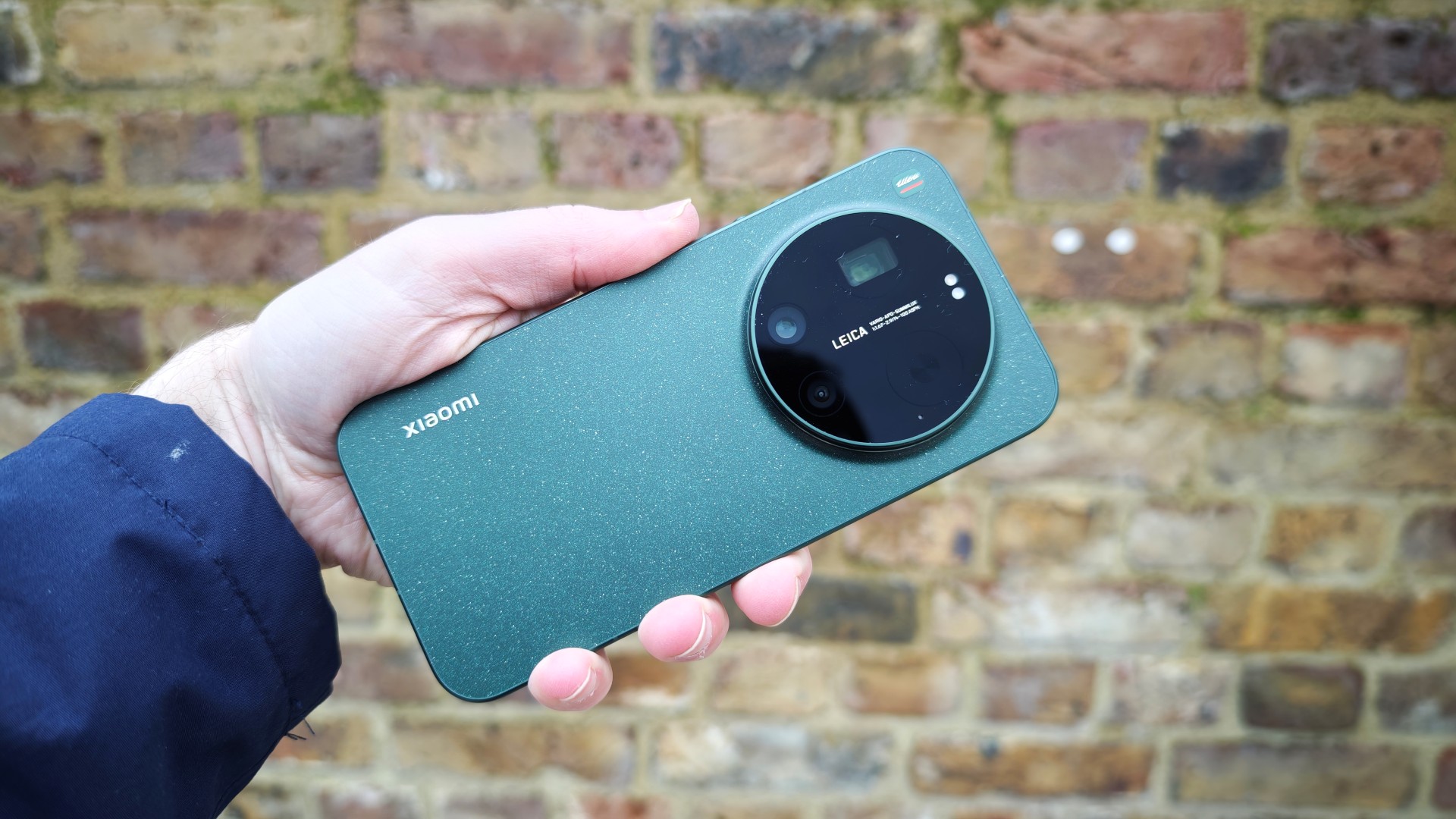
Although there’s no shortage of phones vying for the top spot, particularly the likes of the Oppo Find X9 Pro and the Pixel 10 Pro XL, for our money it’s the Xiaomi 17 Ultra that leaves them all in the dust as it’s more camera than phone (even if there’s one less sensor than the Xiaomi 15 Ultra).
This time around there are 50Mp main and ultra-wide cameras accompanied by an all new 200Mp periscope telephoto lens. That all sounds good on paper, but what’s impressive is the inclusion of a mechanical optical zoom system that further enhances the shots you take from a distance, so anyone with an eye for a great shot has the ability to capture it just in time with this phone.
For amateur and professional photographers who want to kick things up a notch, there are two photography kits available that make the 17 Ultra feel more like a dedicated DSLR. While the cheaper £99 kit feels decent in the hand, we recommend plumping for the £179 kit which features a beefy camera grip with a shutter button and rotating dial for jumping between settings. There’s also a recording button to toggle video capture instantly.
Xiaomi hasn’t focused all of its efforts on the cameras, as the 17 Ultra packs a large 6,000mAh battery that can run for up to two days, and the massive 6.9-inch screen is gorgeous to look at, especially with 3500 nits of peak brightness. The only big letdown, other than Xiaomi’s half-baked AI features, is the promise of only six years of software updates, which isn’t as long as the standard from Samsung and Google.
Who should buy the Xiaomi 17 Ultra?
True photography enthusiasts who want a more compact alternative in their arsenal.
Xiaomi 17 Ultra: Further considerations
With just six years of updates, you get better long-term value from Google and Samsung.
Read our full
Xiaomi 17 Ultra review
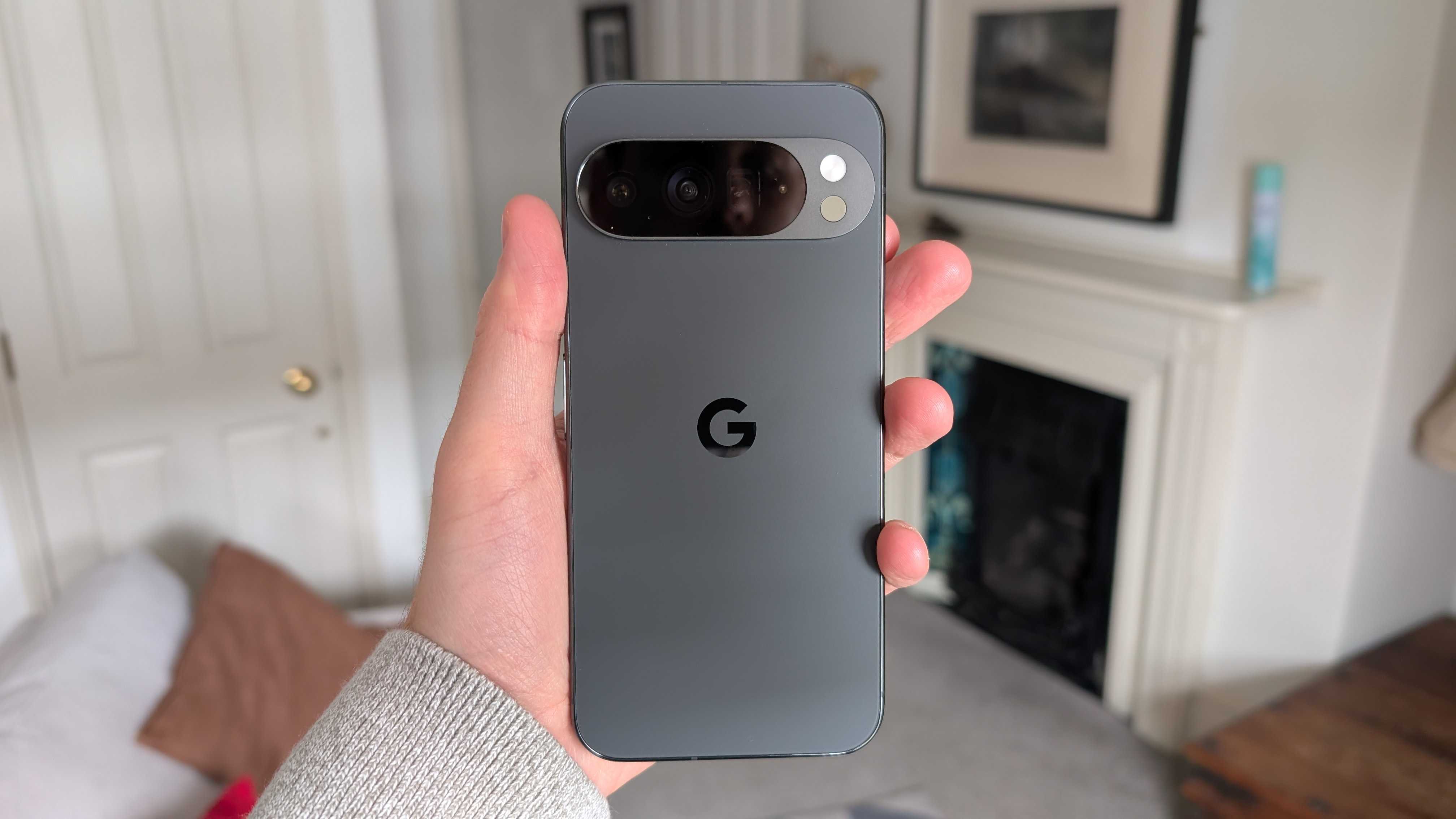
2. Google Pixel 10 Pro XL – Best Point & Shoot
Pros
- Gorgeous design and display
- Superb camera experience
- Brilliant Android 16 software with long support
- The best wireless charging on Android
Cons
- Big and bulky
- 100x zoom is disappointing
- Even more expensive
Price When Reviewed:
From $1,199
Best Prices Today:
$899

$1319
While the Pixel 10 Pro is a similarly great option for anyone who wants to save a little on their next flagship upgrade, the Pixel 10 Pro XL is the real cream of the crop. It allows you to enjoy Google’s incredible computational processing, with a larger screen for easier editing.
In fact, speaking of Google’s software, the push to ensure that Pixel phones can more accurately represent skin tones is exactly why the Pixel 10 Pro XL is one of the best phones out there for portrait photography. There’s wonderful attention to detail that allows all subjects to really look their best.
As previously mentioned, the real reason to go for the XL over the standard 10 Pro is the larger 6.8-inch display, which not only makes it easier to frame a shot, but it also affords more space when trying to edit the finer details of a photo. Plus, having a much larger 5200mAh battery also helps.
The 100x Pro Res Zoom sounds like a good idea on paper, but in practice, it’s far too reliant on generative AI and, much like the AI-powered Super Zoom found on Honor phones, the results are a mixed bag. We recommend keeping your focus on objects and subjects closer to the phone itself.
Who should buy the Pixel 10 Pro XL?
Portrait photography enthusiasts who want to capture skin tones accurately.
Pixel 10 Pro XL: Further considerations
The Pixel 10 and 10 Pro are still great options, and cost a lot less.
Read our full
Google Pixel 10 Pro XL review
3. Samsung Galaxy S26 Ultra – Best Versatility
Pros
- Slick software
- Still the best AI tools
- Exclusive Privacy Display
- APV codec and Horizontal Lock video
- Faster charging
Cons
- Barely any hardware upgrades
- S-Pen positioning is irksome
- No Qi2 magnets
- Expensive
Price When Reviewed:
From $1,299
Best Prices Today:
$1,099.99
$1099.99

$1100

$1216.99
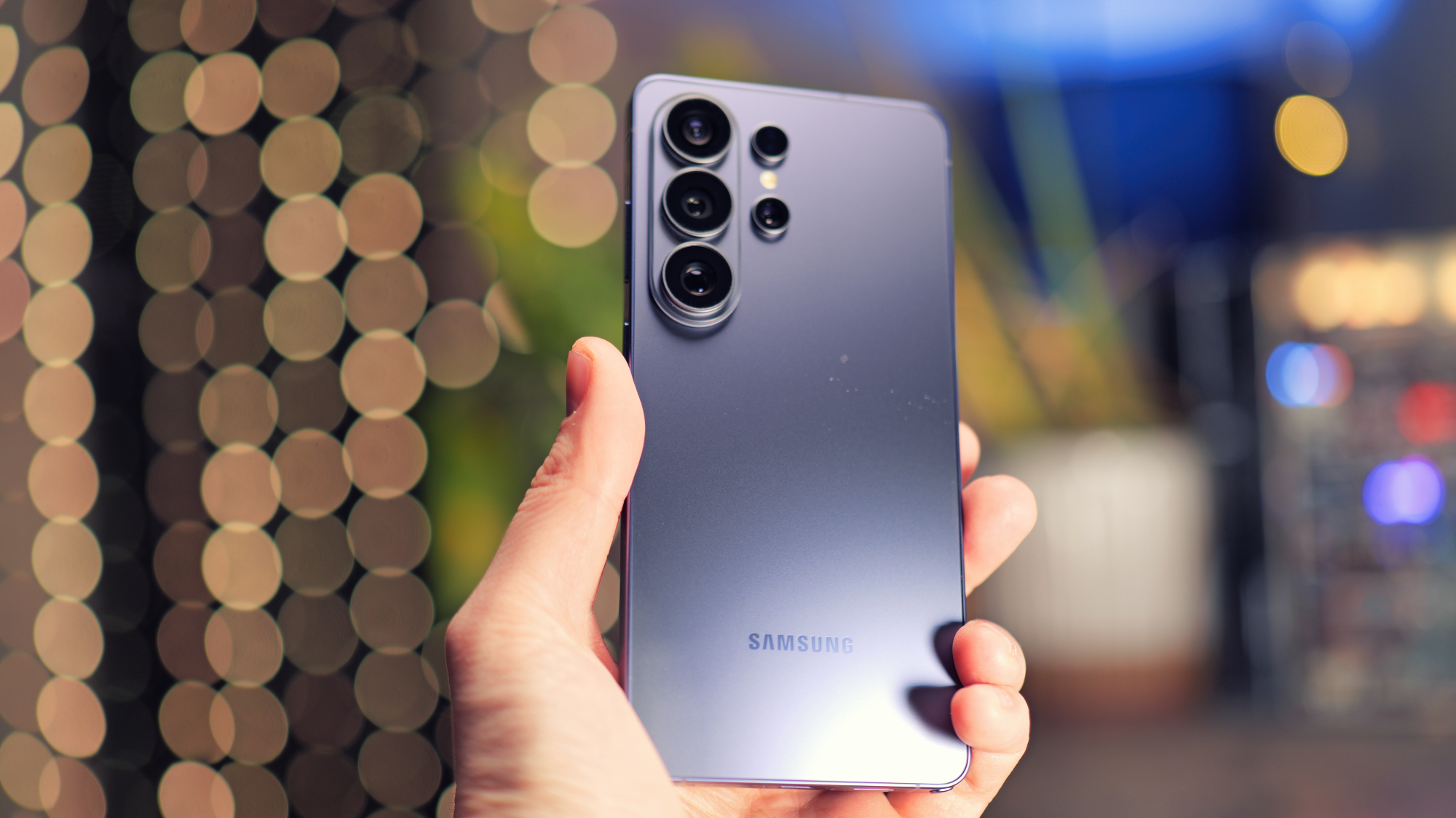
The Samsung Galaxy S26 Ultra feels like it’s in a tricky spot. There’s no denying that it’s one of the best camera phones you can buy right now, but with a collection of sensors that are almost identical to those you’ll find on the Galaxy S25 Ultra, the previous-gen pick will be a better buy for bargain hunters. Still, if you’re happy to opt for the latest tech, and the price hike that comes with it, you won’t be disappointed with the S26 Ultra.
On the camera front, it’s the versatility of the S26 Ultra’s four rear-facing sensors that sets it apart. The main 200Mp main sensor can capture unbelievably detailed shots in almost any setting. Plus, with such a high megapixel count you can crop in without losing much fidelity in the process. The 50Mp ultra-wide definitely gets the job done, but it’s the 10Mp 3x and 50Mp 5x telephoto lenses that really give you the freedom to capture shots from different angles.
For anyone content creators out there, the new stabilisation mode on the S26 Ultra is able to lock the horizon level in place, much as you can on the latest action cameras, making it appear as if you’re recording with a three-axis gimbal. It’s great to have and, with Galaxy AI’s suite of editing features (plus the S Pen), the S26 Ultra is very much an all-in-one device.
The charging speed has finally been given an upgrade, leaping to 60W over a wired connection, but the real allure for new adopters is the privacy display, which can hide sensitive information onscreen from anyone who might be trying to catch a peep over your shoulder. It all works brilliantly, and we’ll be surprised if other manufacturers don’t implement their own version of the tech in due course.
Who should buy the Samsung Galaxy S26 Ultra?
High-end buyers who want an all-in-one phone that does pretty much everything.
Samsung Galaxy S26 Ultra: Further considerations
The S25 Ultra has almost identical cameras and can be bought for less.
Read our full
Samsung Galaxy S26 Ultra review
4. Oppo Find X9 Pro – Best Battery Life
Pros
- Phenomenal cameras
- Gigantic battery
- Excellent performance and software
- One of the nicest screens around
- Awesome accessories
Cons
- Not available in the US
- Only 5 years of Android OS updates
Best Prices Today:
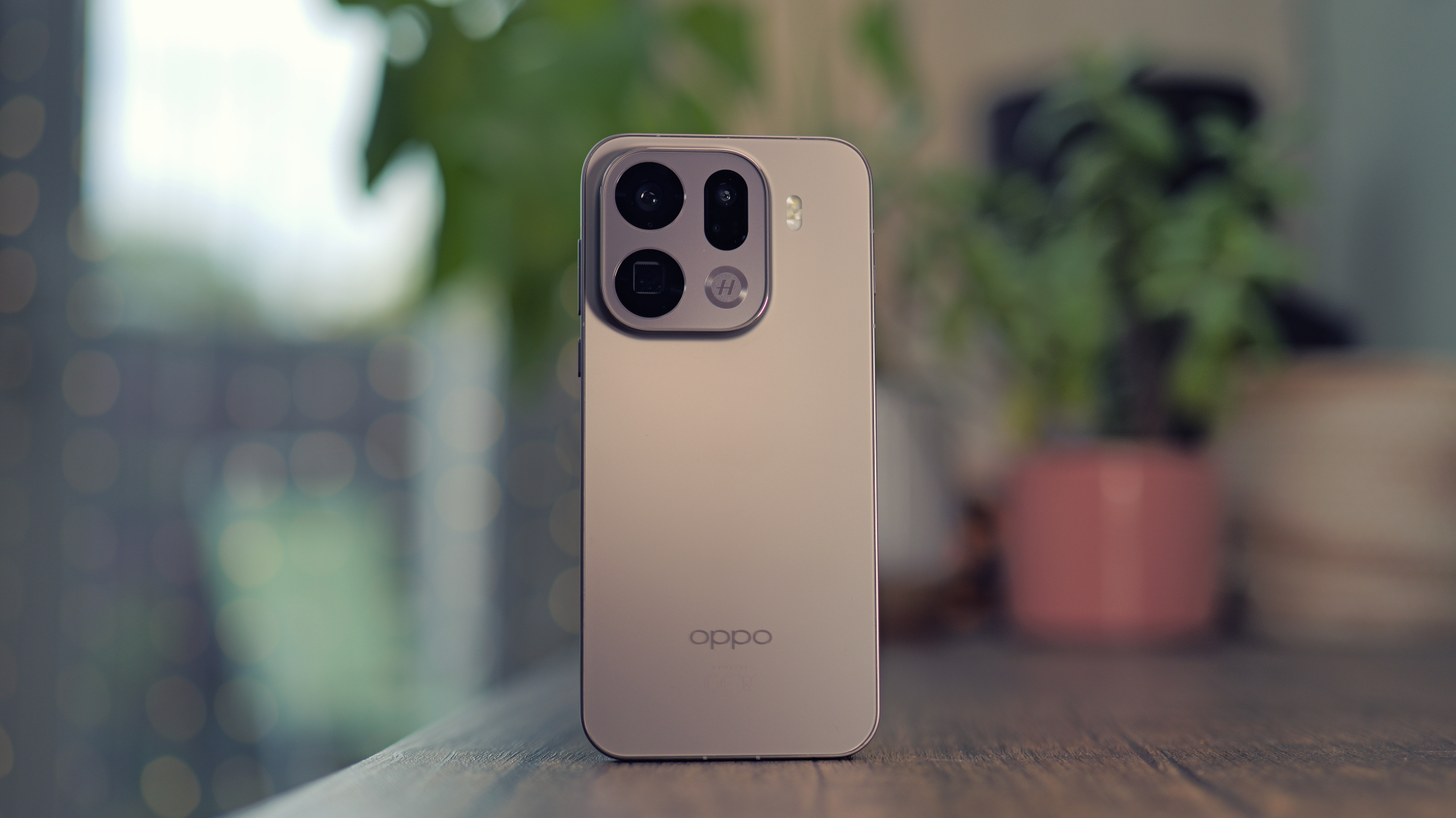
Oppo already set the bar pretty high with the Find X8 Pro, but somehow the brand has managed to raise the ceiling yet again with the outstanding Oppo Find X9 Pro which, just like its predecessor, absolutely destroys the competition when it comes to battery life. If you want a solid camera phone that can genuinely get you through a day’s shoot, this is it.
There’s a massive 7500mAh battery built into this thing which, from our testing, can go through a heavy day of use involving GPS navigation, capturing videos and photos, and still have around 40% remaining by the end of it. Thanks to 80W fast charging, you won’t have to wait long either when you do need to top up the phone, as we managed to get from 0% to 50% in only 30 minutes.
On paper, it might seem like there’s a slight downgrade with the cameras as the phone has moved away from having two telephoto lenses, opting for just one in a triple-camera array. However, this new sensor has been bumped to 200Mp, which gives you a lot more freedom for zooming in and cropping images without losing clarity.
When out and about, the phone is right up there with Xiaomi in terms of taking pictures that look as if they’ve come from a full-on DSLR camera. Autofocus on all cameras is extraordinary and you’d have to try really hard to take a bad picture – we only wish that the phone was available in the US so that more people could experience what it has to offer.
Who should buy the Oppo Find X9 Pro?
Content creators who want a phone that can genuinely last them all day long.
Oppo Find X9 Pro: Further considerations
The phone isn’t available in the US, which immediately rules it out for some.
Read our full
Oppo Find X9 Pro review
5. Apple iPhone 17 Pro Max – Best Video Performance
Pros
- Superb display
- Fresh design
- Excellent performance
- Fantastic cameras
- Great battery life
Cons
- Design might divide
- Expensive
- Heavy
Price When Reviewed:
$1,199 (256GB) | $1,399 (512GB) | $1,599 (1TB) | $1,999 (2TB)
Best Prices Today:

$1199
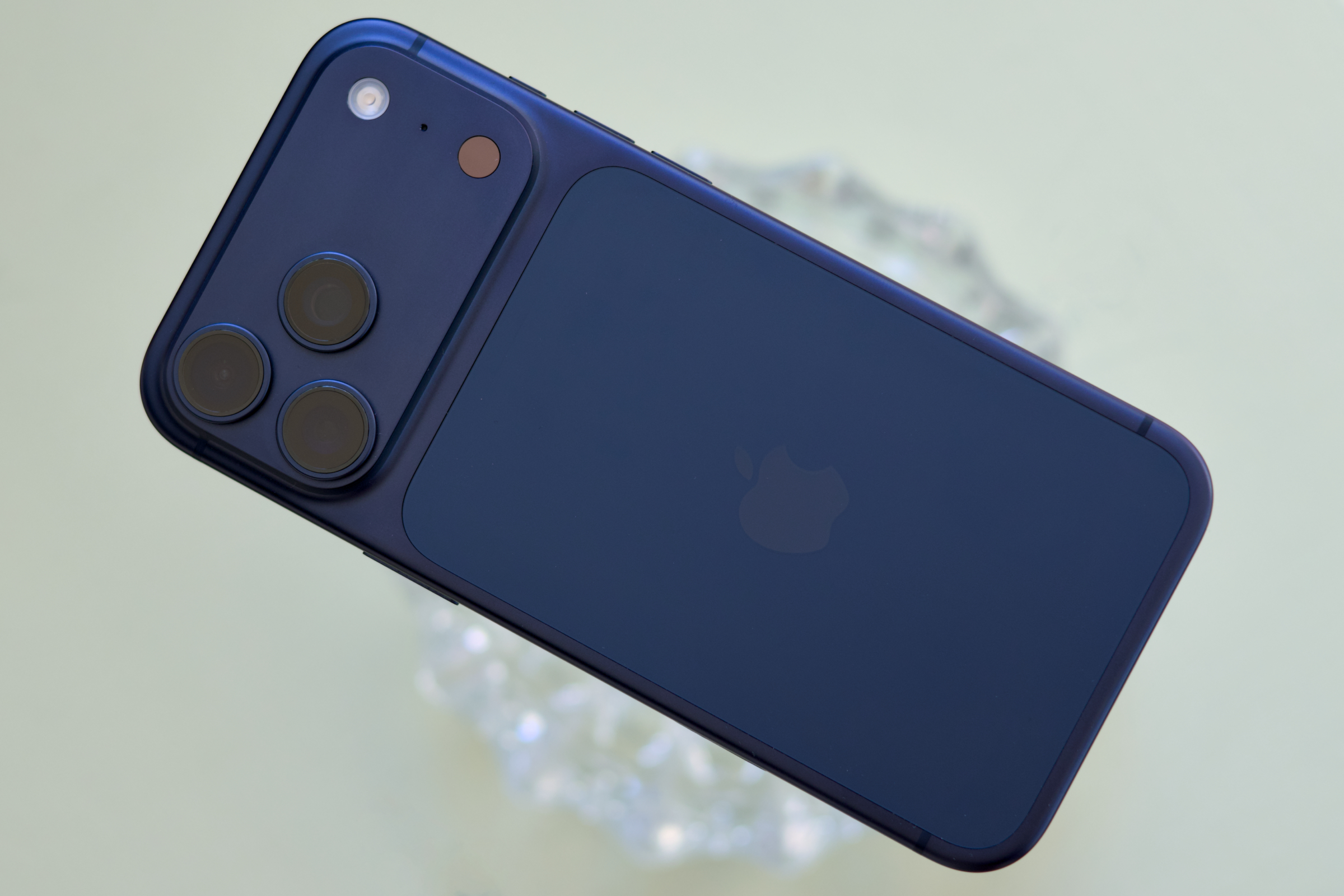
There’s been so much talk about the redesign of the iPhone 17 Pro Max, with its massive camera ‘plateau’, which now houses a good amount of the internal tech, that you’d be forgiven for missing what the actual upgrades are. Well, in typical Apple fashion, the company has thrown everything at its most premium smartphone and it doesn’t really put a foot wrong.
Zoom photography has long been a sticking point for high-end iPhones, with even last year’s iPhone 16 Pro Max falling quite a bit behind rival devices from the likes of Samsung, Xiaomi and Oppo. Thankfully, Apple has seen fit to level the playing field by introducing 8x optical zoom, offering far better quality for capturing subjects from a distance.
What you get is the same high-quality Apple-style photography that we’ve come to love, but if there’s one area where the phone constantly excels, it’s in video. Footage captured on the 17 Pro Max is so smooth (especially when jumping between lenses) that the competition doesn’t really stand a chance – for content creators who film primarily with a smartphone, this is the handset that you’ll want to have with you.
That argument also overshadows the standard iPhone 17 Pro, as you’re getting greatly expanded battery life here. Apple now claims that you can get up to 37 hours of video playback on this phone and we found it had 20% left after an 18-hour day of mixed use. It would be nice if the phone was just a bit more affordable as £1,199/$1,199 is steep by any estimation, but you are getting a lot in return.
Who should buy the iPhone 17 Pro Max?
Video-first content creators who prefer to film on a smartphone.
iPhone 17 Pro Max: Further considerations
It’s a pricey buy, and the standard iPhone 17 is better for most people.
Read our full
Apple iPhone 17 Pro Max review
6. Google Pixel 9a – Best Value
Pros
- Attractive display
- Strong main and selfie cameras
- Excellent software
- Seven years of updates
Cons
- No telephoto camera
- Slow charging
- Polarising design
Price When Reviewed:
From £499
Even though the Pixel 10a is readily available to buy, it’s such a minute update on the Pixel 9a that the latter is still the better option, especially now that it’s had a price reduction.
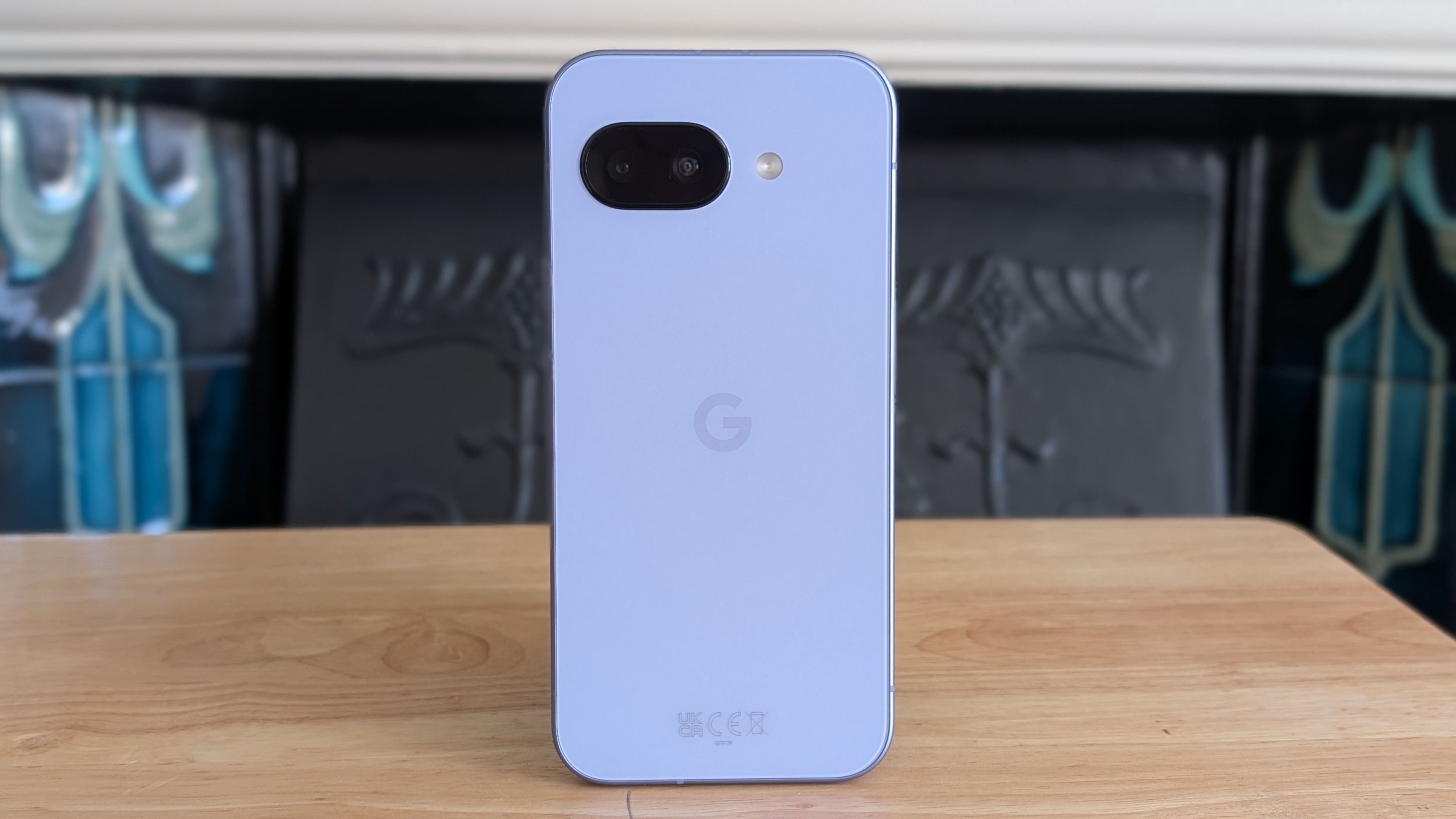
The Pixel 9a stands as proof that you don’t need to spend a small fortune in order to get a camera set-up that more closely mirrors what you’ll find at the higher-end of the market. Google’s mid-range champ is able to borrow from the company’s next-level computational processing to put out some of the best pictures you’ll see within this price bracket.
Just like the pricier Pixel phones on the market, the 9a does an outstanding job of capturing all skin tones in a natural way, and even when you’re simply taking pictures of the world around you, there’s a wonderful injection of colour that really draws your attention. They’re the type of snaps that are perfect for social media.
On top of the cameras themselves, one of the best things about the Pixel 9a is that you’re getting the full suite of AI-powered editing tools that make Pixel phones so attractive in the first place. Best Take ensures that you never have a group shot where someone’s blinking or looking away from the camera, while Magic Eraser can remove unwanted subjects and objects in just a few seconds.
Making a great package even better is the promise of seven years of updates from the time of launch, providing outstanding value for money for consumers shopping around the mid-range sector. 23W wired charging is fairly slow in today’s smartphone market, but it’s a minor setback when you consider all that the Pixel 9a offers in return for its reasonable price tag.
Who should buy the Pixel 9a?
Anyone with a mid-range budget who wants flagship-level cameras.
Pixel 9a: Further considerations
The standard Pixel 9 can now be found for not that much more.
Read our full
Google Pixel 9a review
7. Samsung Galaxy S26 Plus – Best Big Screen
Pros
- Large display is vibrant, great for gaming and streaming
- Plenty of power available, and it doesn’t run too warm
- Some of the best AI you’ll find in a phone
Cons
- Price increase means better value rivals
- Minimal gains on battery life
- Cameras are capable, but not special
Price When Reviewed:
From $1,099
Best Prices Today:
$924.99
$924.99
$999.99
$1090.99
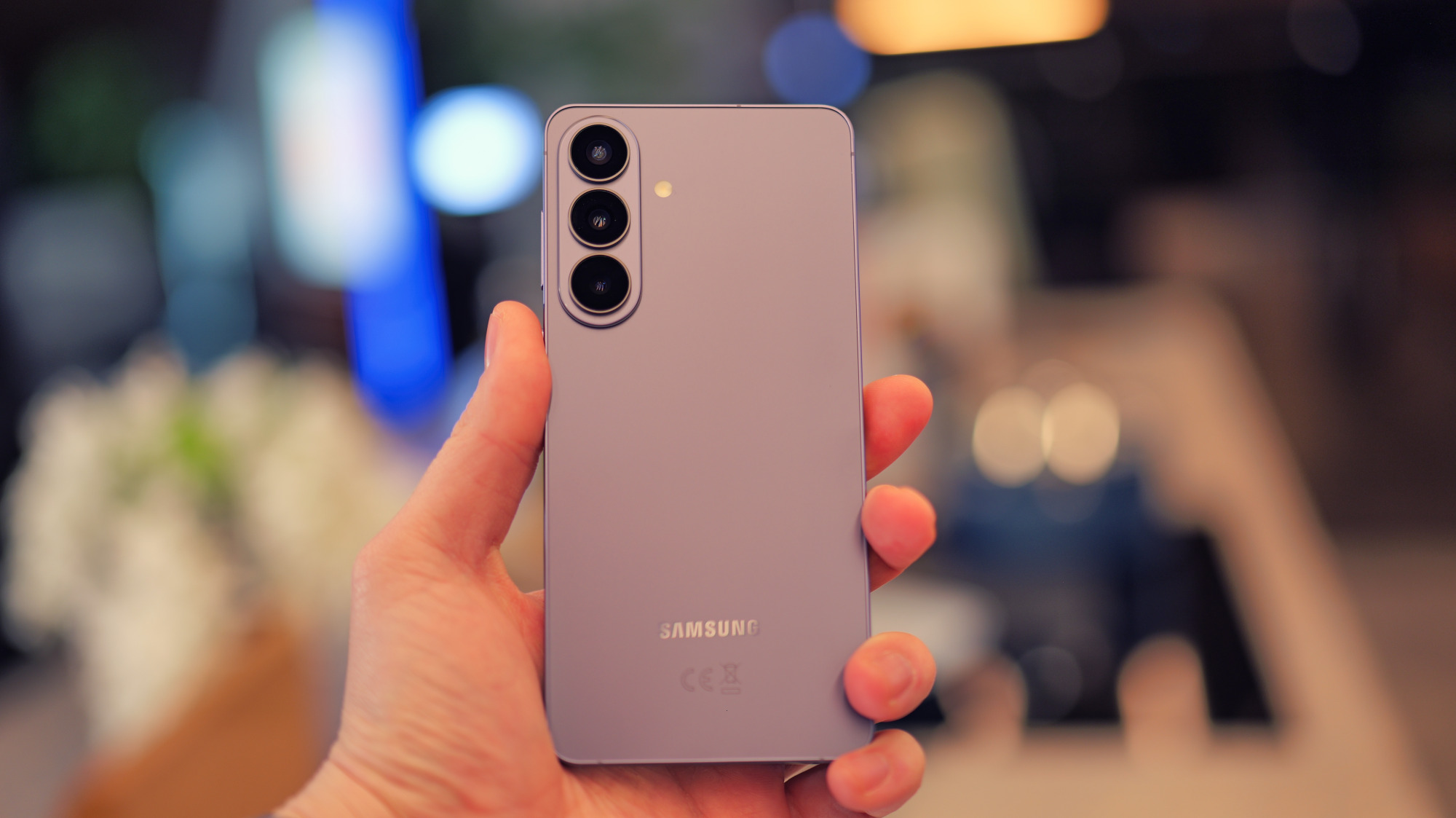
If the Galaxy S26 Ultra has you tempted, but you don’t want to spend quite as much as its price tag requires and you don’t envision yourself using the S Pen all that much, then you’re far better off giving the Samsung Galaxy S26+ a look. This large-screen phone ticks all the major boxes across the board, making it a great buy for those who prefer having a beefier handset.
Not only is the 6.7-inch AMOLED display perfect for a bit of streaming and gaming on the go, but it has the space needed to make editing photos and videos simple. When trying to highlight areas for Galaxy AI to tackle in the editing suite, you won’t feel quite so boxed in as you might do with the Galaxy S26.
The three rear-facing cameras, although near identical to what we’ve seen before, still hold their own by pumping out the eye-catching vibrancy for which Samsung’s phones are known. The low-light performance has been improved across the S26 series, so if you’re someone who loves to document a night out, you’ll get on well with Samsung’s composition. Just as with the S26 Ultra, the S26+ also gets horizon lock video recording for very smooth footage.
The wireless charging speed has been given a bump up to 20W, and the phone now uses the newer Exynos 2600 chipset which performed very well in our tests, but there isn’t much else new beyond that. Unless you want an up-to-date phone that’s going to last you a long time, you might want to consider the S25+ first as it can be found for a lot less.
Who should buy the Samsung Galaxy S26+?
Big-screen enthusiasts who appreciate having the extra space for editing.
Samsung Galaxy S26+: Further considerations
There are very few differences here from the Galaxy S25+.
Read our full
Samsung Galaxy S26+ review
8. Honor Magic 8 Pro – Best in Low Light
Pros
- Great performance
- Excellent display
- Superb battery life
- Fast charging
- Long software support
Cons
- Bulky camera module
- Disappointing low-light camera performance
- Fussy software with lots of bloatware
Best Prices Today:
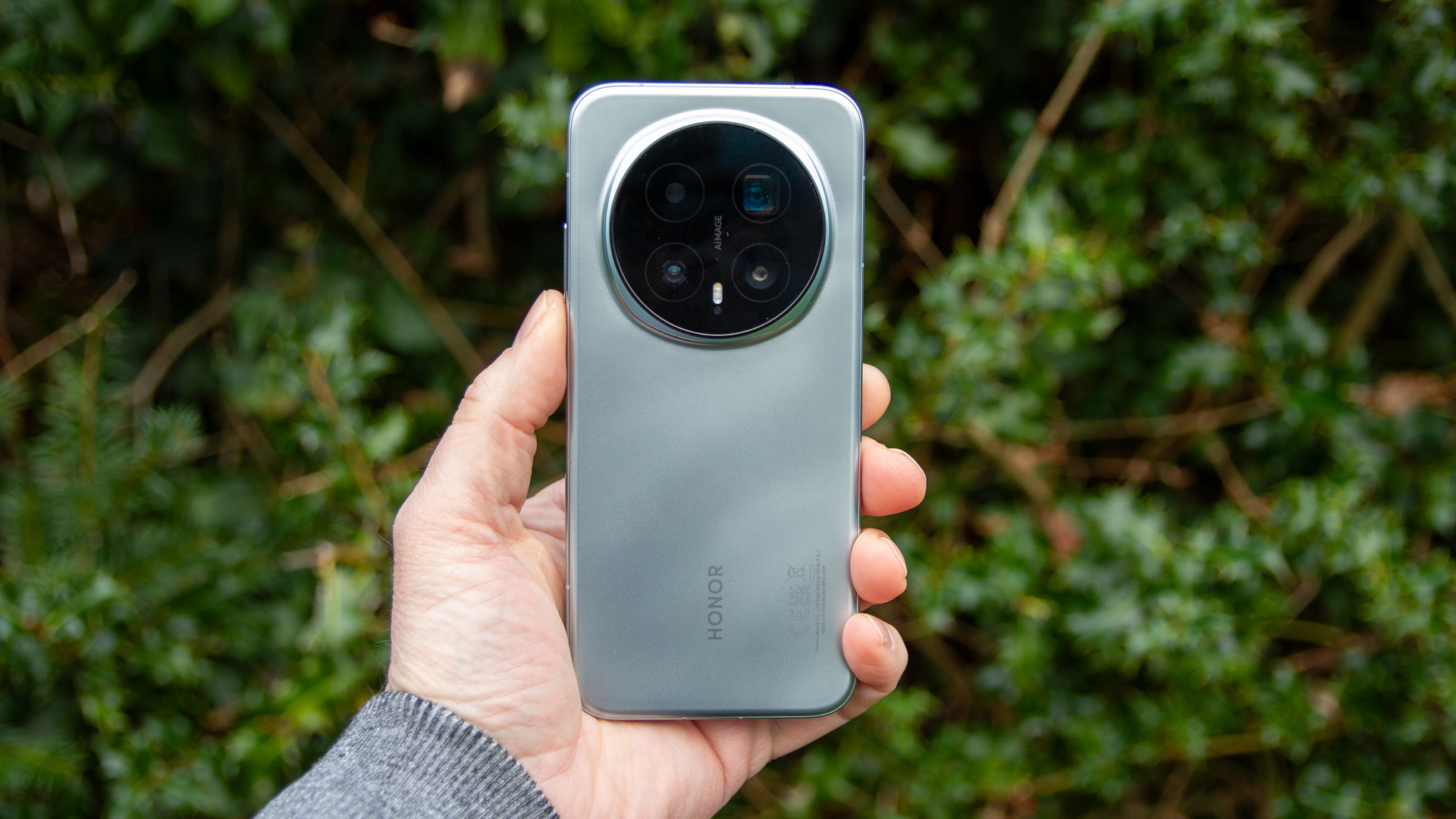
We’ve seen so many companies try to outdo one another when it comes to capturing detailed photos after dark and, while there are plenty that come close to being on top, with the Pixel 10 Pro/Pro XL particular standouts, very few are quite as well-equipped as the Honor Magic 8 Pro. Outside of a few software issues, this is a great flagship phone.
When taking pictures in Las Vegas during the testing period, we were amazed at how well the Magic 8 Pro could recreate the city’s chorus of lights. This is one of the few phones we’ve tested that affords low-light shots with the same sort of vibrancy you can expect to find during the daytime. Of course, this might not be to everyone’s taste, especially if you prefer a more subdued, almost cinematic night-time shot, but as far as we’re concerned, the Magic 8 Pro’s style is better for social media.
It also helps that the Magic 8 Pro has one of the nicest displays of any flagship. The 6.7-inch LPTO 120Hz OLED panel sits comfortably in the hand, but what really sets it apart is the 6000 nits of peak brightness, so you won’t have any issues with trying to line up your shots on a sunny day. Even the Xiaomi 17 Ultra caps out at 3500 nits.
The only thing that really works against the Magic 8 Pro is all the bloatware that comes with MagicOS. There’s just an absurd amount of in-house apps that Honor tries to force on you from the jump, and it can take some time to try and rearrange the home screen to your liking. Still, the phone comes with seven years of software updates, so it does carry the same long-term value as competing phones from Samsung and Google.
Who should buy the Honor Magic 8 Pro?
Night owls who love taking pictures in low-light scenes.
Honor Magic 8 Pro: Further considerations
The software isn’t as smooth as what you’ll find with Samsung’s One UI or Google’s stock Android.
Read our full
Honor Magic 8 Pro review
9. Xiaomi 17 – Best Compact
Pros
- Excellent performance
- Beautiful display
- Superb battery life
- Super-fast and versatile charging
Cons
- Display could be brighter and dimmer
- Limited telephoto camera performance
- Software support shorter than rivals
Price When Reviewed:
Unavailable in the US
Best Prices Today:
Even though the small phone resurgence, pioneered by the likes of the iPhone Mini range and the Asus Zenfones, didn’t quite take off, there are still a few options available for anyone who doesn’t like having a massive slab of a phone in their pocket. Although the iPhone 17e and the Galaxy S26 are great choices in this regard, it’s the base-model Xiaomi 17 that comes out on top as a trailblazer for compact handsets.
There are no less than three 50Mp sensors on the back of this phone, including a 2.6x telephoto lens for capturing subjects from a distance. When taking the phone for a spin around London, it felt near enough impossible to capture a bad picture, and the Leica-inspired colour profiles can really add some professional flair.
The cameras are backed up by flagship specs across the board, including a vibrant 6.3-inch 1.5K 120Hz AMOLED screen, with Dolby Atmos stereo speakers for a fully-featured entertainment experience. The 6,330mAh battery can easily see you through a heavy day of use, and the 100W fast charging makes short work of topping up the phone quickly.
All of this runs on the Snapdragon 8 Elite Gen 5 chipset, which really has no comparison in terms of raw performance, so you won’t have any issues with high-end 3D gaming here. Having just five years’ of OS updates feels bit shortsighted for a phone of this price, even if there are six years of security support to go with it. Our hope is that Xiaomi can extend that update cycle in a successor.
Who should buy the Xiaomi 17?
Fans of compact phones that pack flagship-level cameras.
Xiaomi 17: Further considerations
Having just five years of OS updates feels absurd for a phone of this price and stature.
Read our full
Xiaomi 17 review
10. Samsung Galaxy Z Fold 7 – Best Foldable
Pros
- Incredibly slim and lightweight
- Upgraded cameras
- Less noticeable crease
- Excellent software
Cons
- No S Pen support
- No battery or charging upgrades
- Can throttle while gaming
Price When Reviewed:
From $1,999
Best Prices Today:
$1,649.99
$1819.99
$1874.99
$1898.35

$1999
After losing quite a lot of ground to the competition due to fairly iterative updates, Samsung is back on its pedestal with the outstanding Galaxy Z Fold 7. This is the foldable that long-time Samsung fans have been waiting for, feeling as if the company has finally delivered on the promise of what book-style foldables could provide when the very first Z Fold phone came to market.
The biggest benefit here is that, in comparison to its predecessors, the Z Fold 7 is unbelievably slim. At just 4.2mm thick when unfolded, the foldable concept no longer feels cumbersome, which means that you can now comfortably use the larger 8-inch interior display for more in-depth photo and video editing on the go.
It would have been nice to see S Pen support return, particularly as the Honor Magic V5 can still be used with a stylus, but this won’t be a major issue for anyone who wasn’t using an S Pen to begin with, and there’s plenty to love about the cameras nonetheless. Instead of feeling massively behind Samsung’s Ultra range of phones, the Z Fold 7 has borrowed the main 200Mp sensor found on the S25 Ultra.
Having that beefed-up main camera paves the way for detail-rich and vibrant photos. The 12Mp ultra-wide camera now also benefits from having autofocus, meaning that you can get some great-looking pictures when shooting in macro mode. The fact that you have plenty of editing features via Galaxy AI just makes the Z Fold 7 an excellent choice for professional content creators who want a mini studio with them at all times.
Who should buy the Samsung Galaxy Z Fold 7?
Content creators who need a larger display for editing photos and videos on the go.
Samsung Galaxy Z Fold 7: Further considerations
The battery life is massively outdone by the Honor Magic V5.
Read our full
Samsung Galaxy Z Fold 7 review
Other camera phones tested
Even though we’ve limited our top picks of the best camera phones to just 10 entries, this doesn’t mean that there aren’t other phones to consider, or handsets that were very close to making the cut.
- iPhone 17 – As much as we rate the iPhone 17 Pro Max for video recording, anyone who doesn’t want to spend quite so much on their upgrade will find a similarly brilliant experience on the iPhone 17. Sure, you’re not getting a telephoto lens here, which means the photography side of things isn’t quite up to par, but you won’t find a phone that can outdo the iPhone 17 on video in its price range.
- CMF Phone 2 Pro – When it comes to budget phones, there’s often a lot of compromise involved to keep the price down, but the CMF Phone 2 Pro is a rare exception that ticks a lot of boxes. On top of looking stylish, the phone somehow includes a 50Mp 2x telephoto lens, which is unheard of at this end of the market.
- Nothing Phone (4a) Pro – Just like the brand’s CMF range of affordable phones, the Nothing Phone (4a) Pro goes out of its way to provide tremendous value. This mid-range phone packs a larger screen than something like the Pixel 10a, and it also features a 50Mp 3.5x telephoto lens for capturing detailed shots at a distance.
Curious to see what else is out there? These phones are also worth a gander:
Emma Rowley / Foundry
Camera phone news that could affect your buying decision
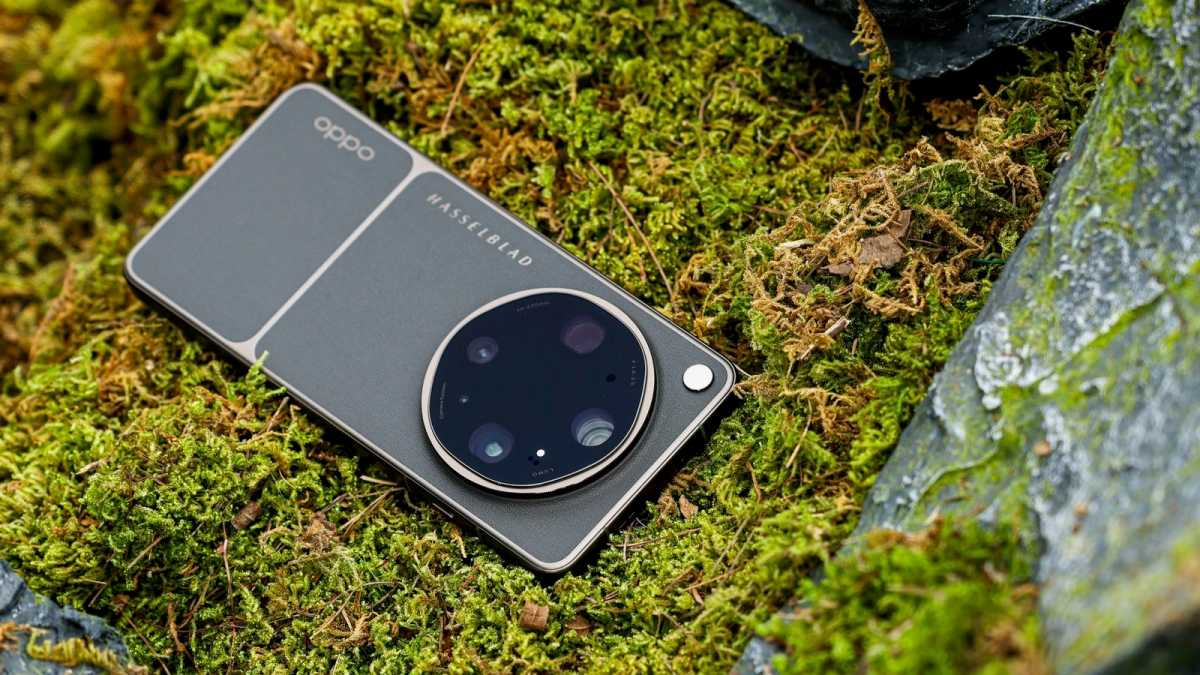
If you’re something of an enthusiast when it comes to smartphone photography, you’ve no doubt heard about the Oppo Find X9 Ultra (below) which is the next big phone to position itself as more of a camera replacement than anything else. While you can expect our review of the phone in due course, it’s arguably worth holding off on upgrading if you’re shopping at the absolute high-end of the market, and you have the likes of the Xiaomi 17 Ultra or the Galaxy S26 Ultra in your sights.
For fans of Google’s Pixel phones, the rumour mill is now in full force for the Pixel 11 range and, although there’s still plenty that we don’t know about these phones as of yet, the rumours point to hardware improvements in the camera, so Pixel fans may want to hold off until then.
Oppo
The Pixel 11 range is likely to be unveiled in August, if Google follows the same schedule as last year, so even if you are eyeing up the Pixel 10 range, there’s a good chance that you could get them even cheaper if you don’t mind waiting for just a few more months.
Looking further into the future, it seems as though the iPhone 18 Pro and the Samsung Galaxy S27 Ultra are in for a major shake-up with variable aperture cameras. This tech, which traditional photographers will be familiar with, allows the lenses to move and either permit or restrict the amount of light being allowed in, which should allow for much better performance in low-light settings. Still, it’ll be a while before those phones come to market, so it’s probably not worth holding off unless you’re swayed by the idea of having variable aperture in a smartphone.
Can I get a better camera phone deal?
The deals widgets featured in this article will always show you the current cheapest prices available across the web, but if you’re tied to a strict budget and you need to find a more significant price decrease, there’s a good chance that you’ll find exactly what you’re looking for in our round-up of the best refurbished phone deals.
To save even more, you may want to hold off until one of Amazon’s major sales, such as Prime Day or Prime Big Deal Days, or opt for the biggest bonanza of them all: Black Friday. Given that practically all types of tech see a major price drop during these sales, you can rest assured that the best camera phones will also be included in their wares.
Luke Baker
How we test camera phones
When it comes to testing the cameras of any smartphone, regardless of price, we use all the available sensors in real-world settings to give you a comprehensive understanding of the experience you’ll find when using a given phone day to day. This includes shots outdoors in good conditions, seeing how the camera holds up in low-light scenes and the testing features available in portrait photography.
Read more about how we test smartphones.
Why you should trust Tech Advisor for camera phone reviews and buying advice
Tech Advisor has been covering smartphones since before inbuilt cameras were considered an essential feature, so we know exactly how one phone compares to all that has come before it, and that expertise flows through our reviews to provide the best understanding possible of what it’s like to use a particular handset.
Who curated this article?
Anyron Copeman is Tech Advisor’s Mobile Editor, who eats, sleeps and breathes all things smartphone. He always has his finger on the pulse on any new developments in this industry, which is why he has the final say on which phones are included in this guide.
How to choose the best camera phone
The best thing to know right off the bat when it comes to picking a smartphone based on its camera abilities is that higher megapixel counts don’t always correlate to the best photos. In the current climate, software is just as important as hardware, and you can see as much from the computational processing that both Google and Apple have brought to the table over the last few years, as they’re able to put out great-looking photos with tech that’s technically further down the scale than many rivals.
Once that’s understood, it’s worth asking yourself what type of photographer you are. If, for example, you enjoy having the ability to zoom in on subjects from quite a distance, you’ll want a dedicated telephoto lens that packs a decent optical zoom (ideally 5x or above).
Apple
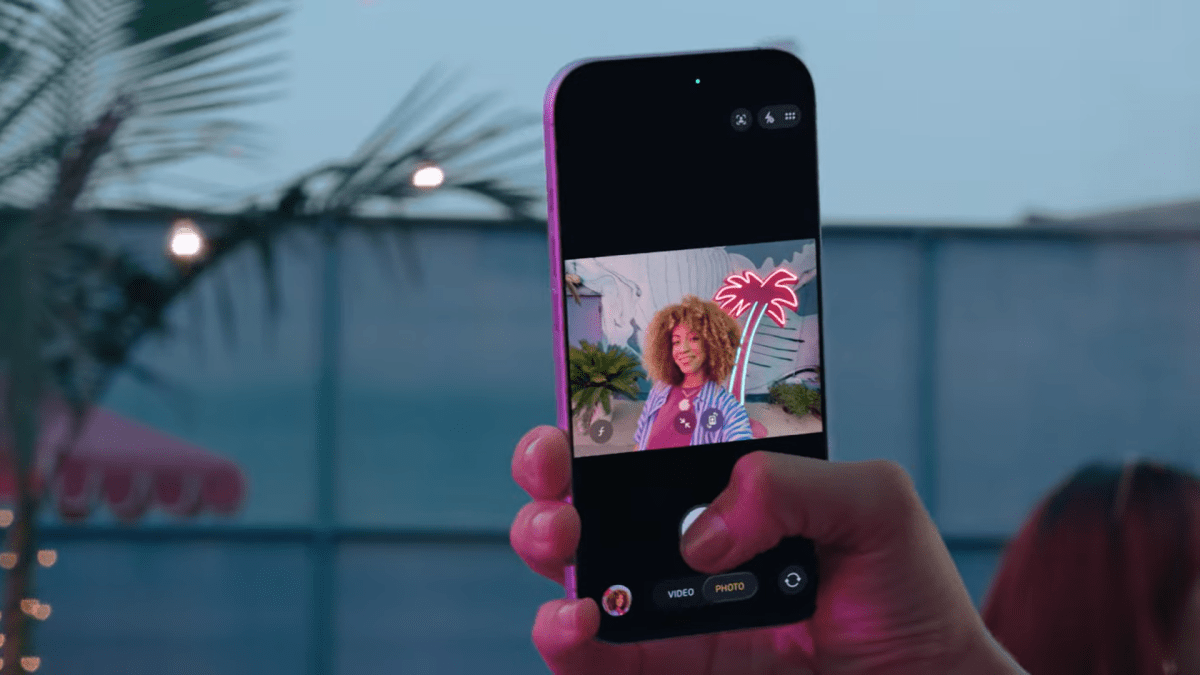
For the more social among you, having a top-of-the-line selfie camera is crucial, as there’s nothing worse than assembling the squad for a group shot, only to find out afterwards that the photo is too dark or has left some people out of the frame.
Video performance is a tricky feature to gain as resolution, just like the megapixel count, doesn’t guarantee great footage. At present, Apple is the immediate go-to when it comes to video for its stable footage and helpful Cinematic mode which adds a real-time bokeh effect to your videos, although Google and Samsung aren’t far behind.
Beyond the cameras themselves, it’s worth factoring in the screen and battery size into your purchasing decision as well. Obviously, having a larger battery can afford you more time for taking pictures, but a larger display can be preferable to those who want more space available when it comes to photo editing.
Camera Phone FAQ
How many lenses do you need?
It depends what kind of photos you want to take on your phone. For close-up, point-and-shoot pictures of people, pets, and landscapes, you might only need one.
But most phones have at least two lenses on the back these days. There’s usually a superior main lens for still shots and video, and an ultrawide angle lens for taking in more of a scene that you’re closer to, like a building or group shot.
Do you need a telephoto camera?
Some phones have three or four lenses – the one or two extra are usually telephoto lenses than can zoom in to subjects without loss of quality to a certain level. For example, the iPhone 17 Pro has a 4x optical zoom lens so you can zoom in to a 4x level – if you zoom beyond that, the phone is using digital zoom, which degrades in quality.
The regular iPhone 17 has no telephoto lens, so all zoom is done digitally. Check the specs of the phone you’re interested in to see what lenses it has.
Do megapixels matter?
A higher megapixel doesn’t always mean better. It can sometimes be an indication, but not always.
Smartphones have necessarily tiny lenses in them, so phone companies have created software to improve the final image you get after you press the shutter. Software is also used for common features like portrait modes to create a blur effect. Read on to find out more.
What is image processing?
Every smartphone camera uses software to process the image you’ve just taken to improve it. This usually involves sharpening the image, boosting or saturating the colours to make them ‘pop’ more, and improving the high dynamic range (HDR) to make the photo look generally better than it might otherwise.
It’s hard to know if a phone camera will be good just by reading the spec sheet, which is why camera quality is one of the main things we assess in Tech Advisor’s phone reviews. Click through to the full reviews of the phones in this list to see image samples and our detailed opinions.
What is pixel binning?
Some phone cameras, like the Galaxy S26 Ultra’s 200Mp main lens, can take photos at full resolution. But on that phone by default images are ‘binned’ down to 12.5Mp from 200Mp.
The higher megapixel count in this instance captures more image data but uses it to produce a final image with a smaller file size. This creates easily shareable, social media friendly images, but also is a good way for phone cameras to combine image data with image processing to make the best possible image.
A 12.5Mp pixel binned image on the S26 Ultra will very likely be better than a straight 64Mp image from a mid-range phone that doesn’t use pixel binning.