


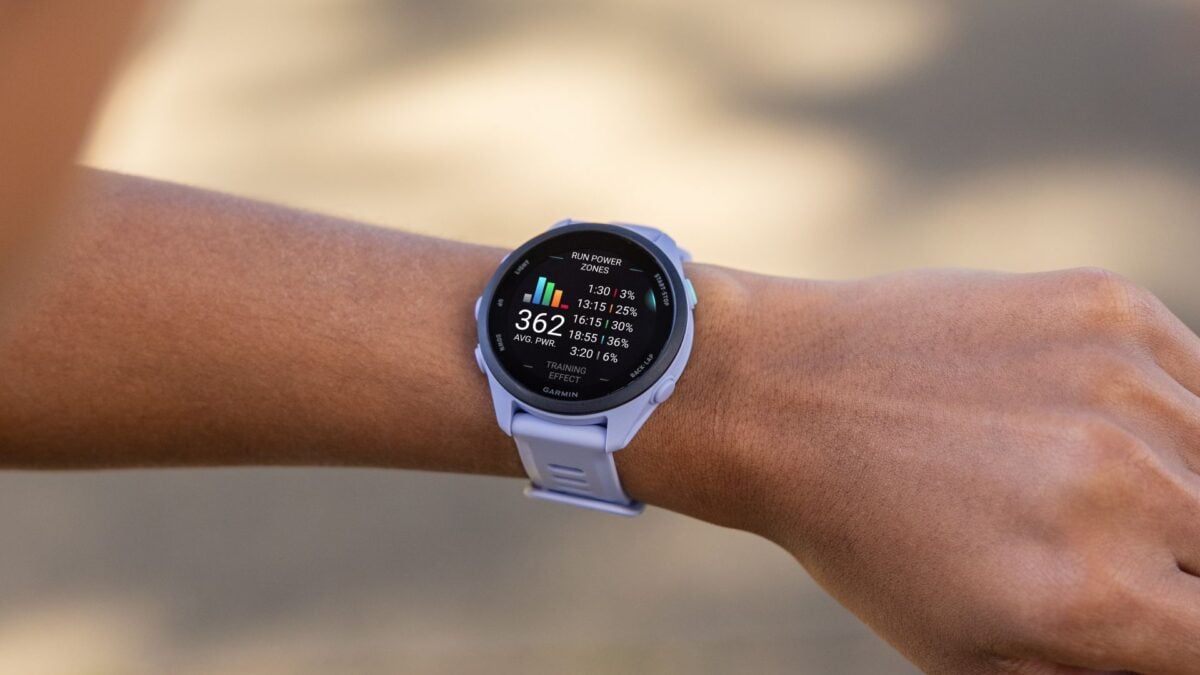
Is your age-old Apple Watch not sporty enough? Garmin—a cult favorite among health metric-obsessed athletes—has updated its all-around sports-centric Forerunner smartwatch with even more health insights that were once exclusive to more expensive wearables.
The new Forerunner 70 and Forerunner 170 are positioned as entry-level options among Garmin’s ultra-expensive wearables, such as its Fenix line. Though the previous Forerunner 55 was designed as a back-to-basics sports watch, the newer, pricier versions promise larger 1.2-inch (30mm) AMOLED touch displays. Garmin promises that these redesigned watch faces are brighter, and you’ll still have access to the five physical exterior buttons for more visceral watch controls.
The Forerunner 70 costs $250, and the Forerunner 170 demands $300. They’re both more expensive than the previous $200 Forerunner 55. For the extra dough, Garmin is offering beginner athletes the chance to access metrics that were previously locked to wearables costing $500 or more. That includes features like training readiness and training status, as well as wrist-based running metrics.
Those features will make this line a shoo-in for runners, though the watches do promise to track 80 activities, including cycling, hiking, and swimming. They’re rated at 5ATM, meaning they’re designed to withstand water pressure at depths of up to 50 meters. Deep-sea divers will still need to spend much, much more on a device like the $1,000 Garmin Descent MK3.
Garmin is telling health nuts they no longer need to drop bundles on top-to-bottom fitness tracking. At the same time, the Forerunner 70 and 170 also feature a “quick workouts” option that suggests a workout routine based on your supposed fitness level. The watches are also supposed to suggest workouts that adapt to your performance and recovery metrics.
Otherwise, both new Forerunners contain the same sleep tracking, sleep coach, pulse oximetry, and heart rate variability tracking that our inner hypochondriacs crave. While the Forerunner 170 ostensibly has the same screen and sensors as the Forerunner 70, the more expensive model may be a better fit for everyday wear. It supports Garmin Pay, which you can link to your credit card for contactless checkout. Then there’s the $350 Forerunner 170 Music variant, which lets you download songs and podcasts from third-party apps to listen to without a 5G internet connection.
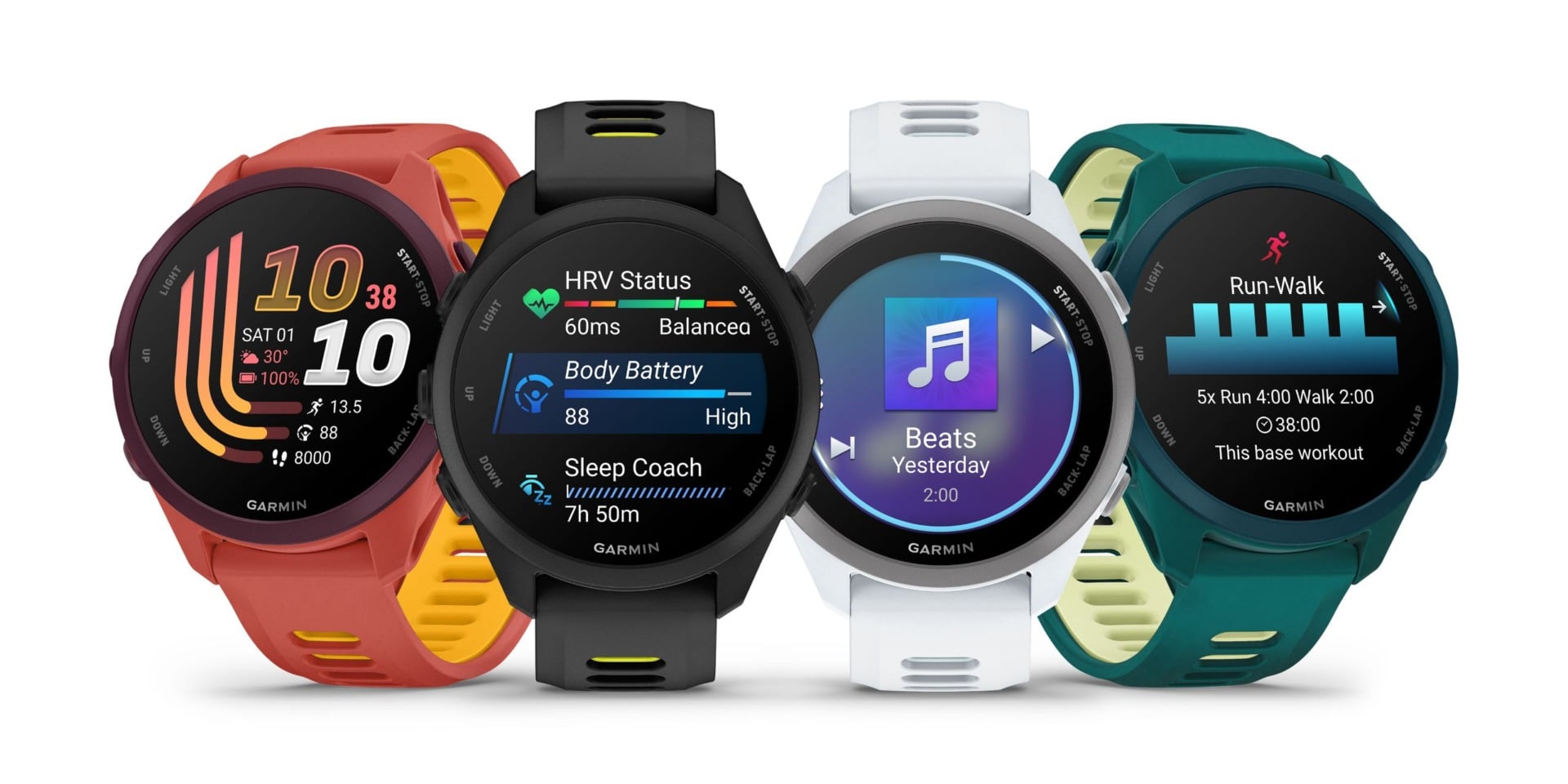
The Forerunner 70 promises 13 days of battery life (rather than the “two weeks” promised on the Forerunner 55). If you’re running in GPS-only GNSS, or global navigation satellite system mode, you can expect 23 hours, but you’ll get closer to 16 hours if running with Wi-Fi and other systems engaged alongside GPS. The Forerunner 170 Music, with its promised 10-day battery life, loses some of that longevity.
Still, you can expect better than you’d get with an Apple Watch Ultra 3. Garmin’s new Forerunner likely offers a display as pretty as those on Apple products or on Android alternatives like the Google Pixel Watch 4. As a purpose-built athlete’s watch, it may be the best option for burgeoning marathon runners looking to up their game.