


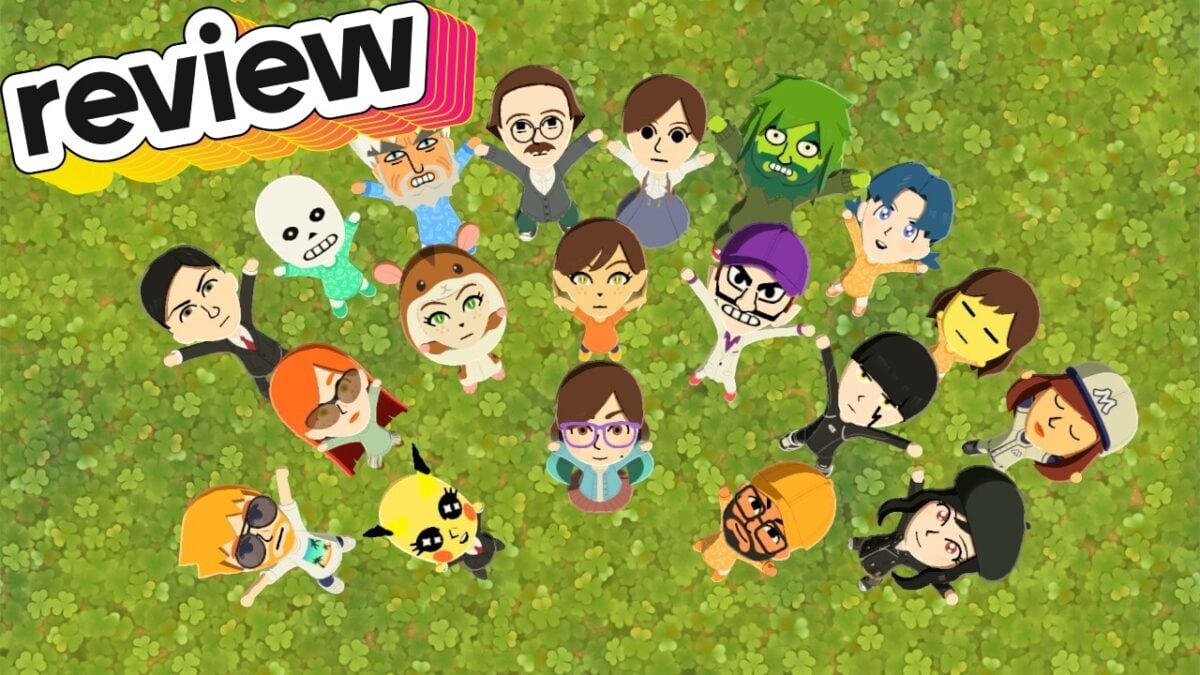
When I was around eight years old, I had an ant farm that I kept in my room. Unlike standard ant farms, where ants could burrow into layers of dirt and hide from whatever wide-eyed child had put them there, mine was filled with a transparent blue gel that served as both the material the ants dug through and the food they ate. Best of all, the gel let me keep tabs on my ants wherever they went, no matter how far they tunneled.
Now that I think about it, it was pretty cruel to keep those poor ants in such a small piece of plastic, force them to eat synthetic food, and make them dig tunnels through a material they couldn’t even hide in. But it did make me appreciate a lost art: putting a bunch of little guys in a self-contained world and watching them do whatever they want.
The Tomodachi Life series is exactly that: a life sim series in which you fill an island with Miis, sit back, and watch from the sidelines as they make friends, fall in love, and even have babies. You help them out by feeding them, giving them clothes, and nudging them in the right direction, but ultimately, everything is up to them. It’s a fairly straightforward formula, but it’s kept interesting by the Miis you create, the surreal scenarios they find themselves in, and the items you give them.
If Tomodachi Life for the 3DS was a dirt ant farm, its long-awaited sequel, Living the Dream for Switch, is like its fancier gel counterpart. Living the Dream looks like an improvement in many ways: it offers an open world that lets you see where your Miis are, and it boasts some pretty great new systems, too. All of this is very welcome, especially considering the fact that we had to wait 12 years for this game.
However, there’s a pretty big problem with Living the Dream, and it’s the same exact problem that my gel ants faced: a focus on style over longevity. At first glance, my ant farm’s blue gel looked cool as hell, but it just wasn’t good for those ants.
This (is)land was made for you and Mii
I’m really, really attached to my Living the Dream island. The second I got my hands on it, I started off by making myself (Amiilia, if you will). I added a few original characters I’ve had since my original Tomodachi Life island, a few of my actual friends, and a slightly horrifying bipedal recreation of my mom’s goldendoodle that I adore despite living hours away from. Then, I devolved into chaos like any good Tomodachi Life player. Isabelle from Animal Crossing went on a date with the titular Cooking Mama. The main characters from the deeply unserious medical drama House moved into a giant hospital together. Indie folk musician Sufjan Stevens is often spotted walking his pet chipmunk near his neighbor’s place.
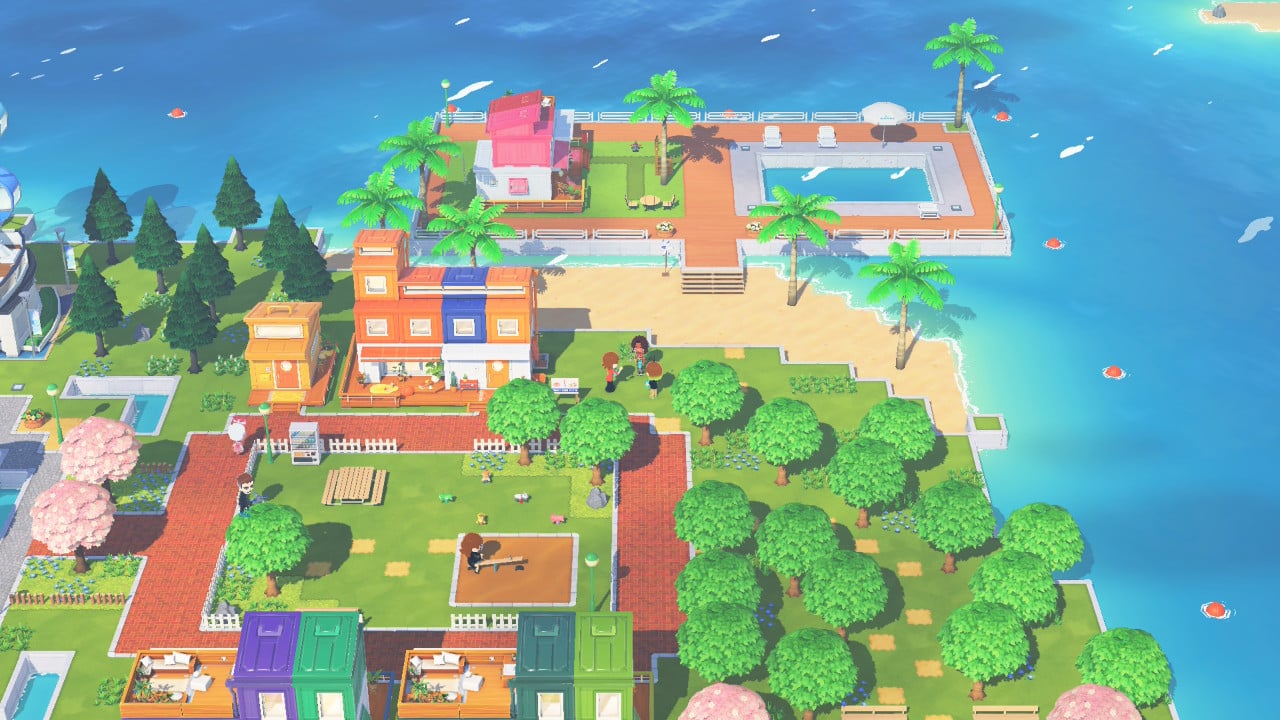
In previous games, Miis were confined to a few fixed locations scattered around the island. Living the Dream fulfills the transparent ant farm promise by offering an open world that you both build yourself and watch from above like an occasionally malevolent god. I’ve been delighted to watch my Miis chase each other around, gossip while sitting on the fountain, and take long walks together, and sometimes, all of these things happen at once with different Miis.
Living the Dream also has an excellent sense of scale that makes its Miis unbelievably charming. Because you could only look at them face-to-face in the previous game’s fixed locations, Miis used to feel more like your fellow humans rather than beings you were observing and influencing. Zooming out as you can in Living the Dream, they become more like endearing little creatures, and I feel a lot more attached to them because of how they look from afar. I’ve basically been kicking my feet and giggling and twirling a telephone cord around my finger while watching my little Miis run around. Look how small and tiny and cute they are on my big island! Look!!!!!
Miitamorphosis
Watching these Miis isn’t the only gem to be found in Living the Dream. The game boasts most of the new content you’d expect of a long-awaited sequel: new items to collect, new clothes to dress your Miis in, and new housing themes. A lot of this content is granted through the game’s Wishing Fountain. As you solve Miis’ problems and grow their happiness, you’ll earn the uncomfortably named Warm Fuzzies, which can be spent on Wishes at the fountain (don’t you love when a currency has to turn into a different currency?) for goodies like decorations, travel tickets, and gifts to give your Miis when they level up. These are solid goals to work toward, and I’ve found myself consistently motivated by the fountain’s progression.
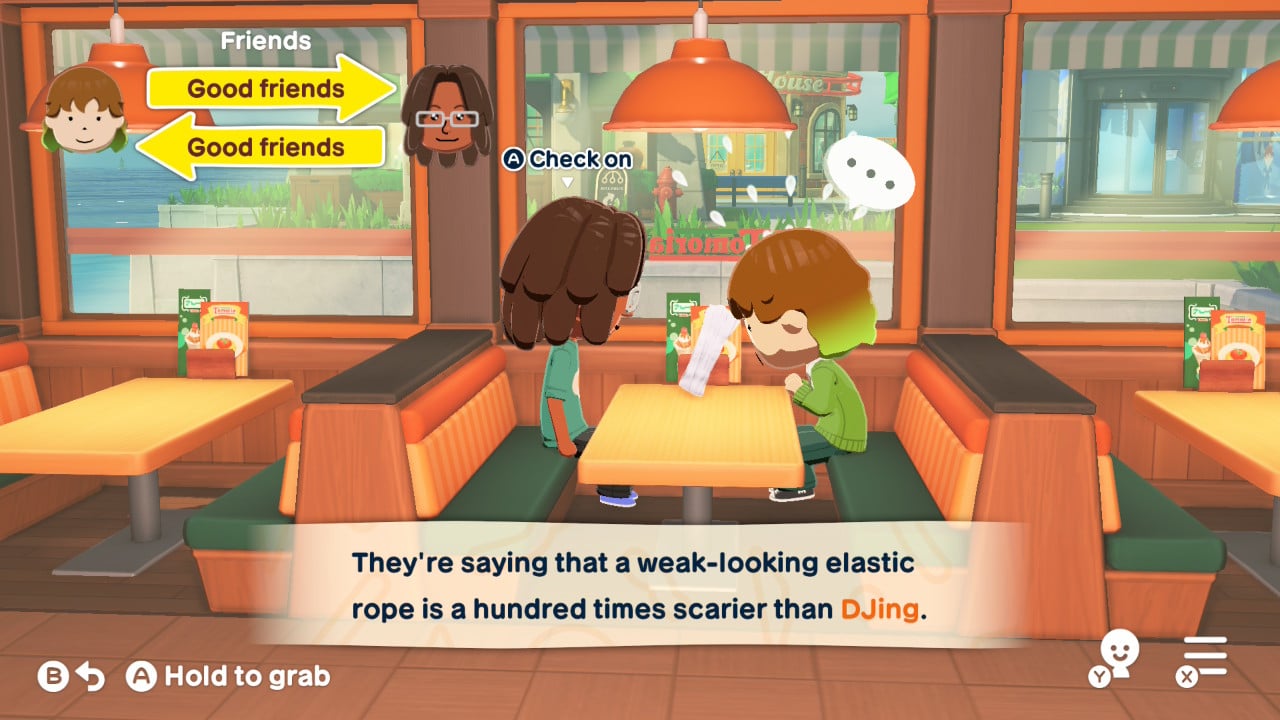
Another new goal to work toward is getting Miis to become roommates. Up to eight Miis can live in an apartment building now, and I adore getting to watch them silently coexist as one cooks dinner and the other watches TV. I’ve also really loved watching them bond in common spaces through roommate appreciation meetings and casual chats at the dining tables.
Speaking of casual chats, a lot of these are influenced by the game’s Island Lingo tab. By asking you questions about yourself and making you decide what topics they bring up in conversations, the Miis on your island keep track of the phrases you input and bring them up on their own. Because the game has no filter whatsoever, it seems like most players online are still in a phase of making their Miis parrot phrases like “gay sex” and “cooking meth,” which is amusing for a little while, I guess. But I’ve also found a lot of genuine enjoyment in teaching my Miis about my hobbies and niche interests. It feels like my Tomodachi Life island is now something that’s so distinctly mine, and I still smile every time one of my Miis brings up something I love in a new context.
CustoMiization
The other thing that lets me make my island something that’s really my own is an unlockable building called Palette House, which lets players draw their own books, video games, TV shows/movies, pets, and really anything else you can think of. Between housing designs, clothes, and even landscaping items, pretty much everything can be customized at Palette House, which seems to be the endless well that Living the Dream draws its identity from. I’m not a fan of this (more on that later), but I do admire the ways the game at least tries to make the act of creating things accessible to players who aren’t exactly Picasso. Both Palette House and the game’s Mii creator offer tools like stamps, a text editor, and even the ability to add Miis themselves to designs. I’m pretty terrible at art, but I’ve been able to make a few things I’m happy with thanks to these resources.
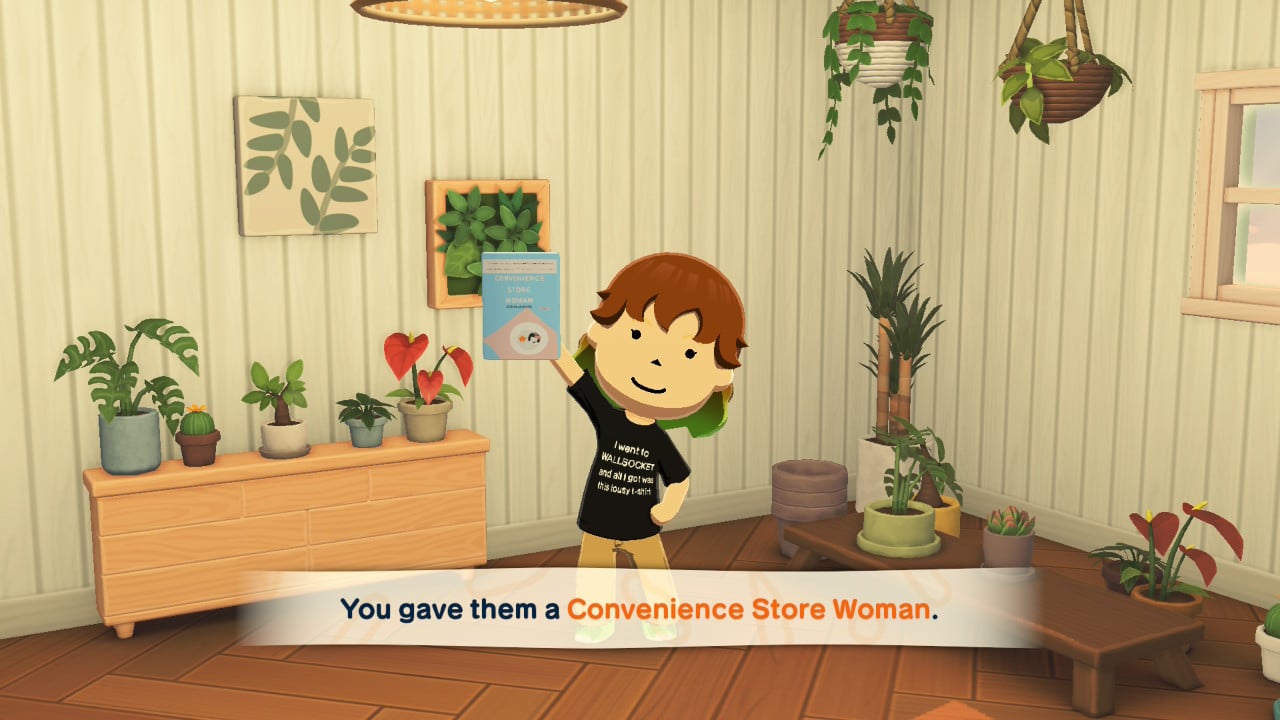
Once you’ve designed them, these items have wildly customizable attributes. When I made a pet borzoi for my Mii, I was overjoyed to find out that I could give it a trait like “mysterious” or “funny,” select the way it moves, and even give it its own voice. The same goes for most other Palette House items, too. I got to give a book I designed a tagline, designate a piece of cake I created as sweet, and even make a sea urchin I drew smelly.
Miis themselves are blank canvases, too. If you want, you can even draw all over their faces to turn them into genuinely anything. My favorite part of Mii creation, though, is that Nintendo not only fulfilled its promise of adding gay marriage but went above and beyond. Thanks to a surprisingly detailed settings menu, I can make female Miis who default to wearing suits during fancy events, aromantic Miis, and nonbinary Miis with defined they/them pronouns. That’s all pretty amazing considering how hesitant Nintendo has been to represent queerness in its other games.
This commitment to diversity thankfully means that the Mii creator also has a lot of new Black hairstyles, which are long overdue. There are a few oversights, like mobility aids and hijabs, but I’m mostly just thrilled to be able to make Miis who both love and look a lot more like my friends. Miis can even act more like my friends, too, thanks to Little Quirks, the orb-shaped gifts that let Miis do everything from walking sassily and smirking during conversations to snoring and farting.
This ethos of customization carries over to the island itself, which previously had a fixed layout. I was nervous about this—the customization in other recent “cozy” games has felt agonizing to me and many others. Living the Dream’s island designer, however, is unexpectedly seamless, and it’s simple enough that I’ve actually been able to create an island that I like despite usually being bad at these things.
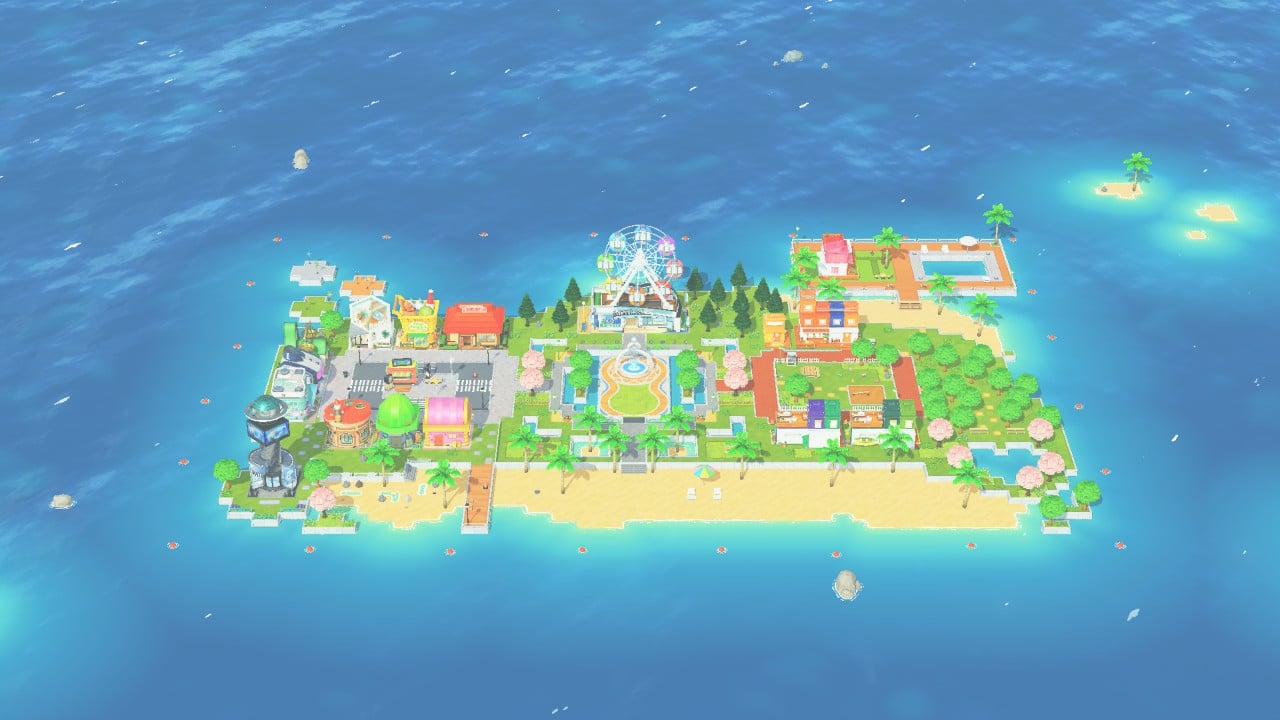
I like Living the Dream’s customization features a lot. The problem with them, though, is that it’s hard to appreciate them when so much else was apparently paved over to make the space they take up.
Miissing features + Miiningless interactions
Living the Dream blatantly lacks a lot of what made its predecessor special. It’s true that certain features from the original are now baked into the game’s design, but others are gone entirely. Little features that assigned Miis personalities, like an island ranking board, a compatibility tester, and a lot of hobbies, have disappeared. There’s no concert hall either, which I was fine with until I realized that Miis can’t even sing at all—when playing guitars or singing at weddings, they just sing “la la la” while lyrics appear on screen.
Another significant downgrade reveals itself late in Miis’ romantic relationships. While weddings are very cute, married Miis don’t sleep in the same room anymore. I’m guessing this was Nintendo’s compromise on gay marriage, but it’s still disappointing. What’s the point of going through getting married if all you get is the word “married” to show up on screen?
One of the things I’m angriest about is what Living the Dream does to its babies, and that’s because previously, getting Miis to have a baby and helping raise it yourself was an endgame goal that always felt special (and was literally when the credits rolled). Now, it’s absolutely pointless. In Living the Dream, babies grow up instantly after a short cutscene rather than actually getting time to exist as babies. Things get a lot worse after this cutscene plays out. Once I decided to send my first Mii baby away from the island instead of keeping him, the game kept no record of him whatsoever. As far as I can tell, there wasn’t even a photo of him added to his parents’ apartment or a mention of him tucked away in a menu while he traveled the world via StreetPass like in Tomodachi Life—he just vanished entirely. This omission seems especially cruel when you consider the fact that this game’s Mii limit is 70 opposed to its predecessor’s 100. There’s less space for babies now, so having no way to remember them when they’re inevitably sent away to make room for more Miis is absurd.
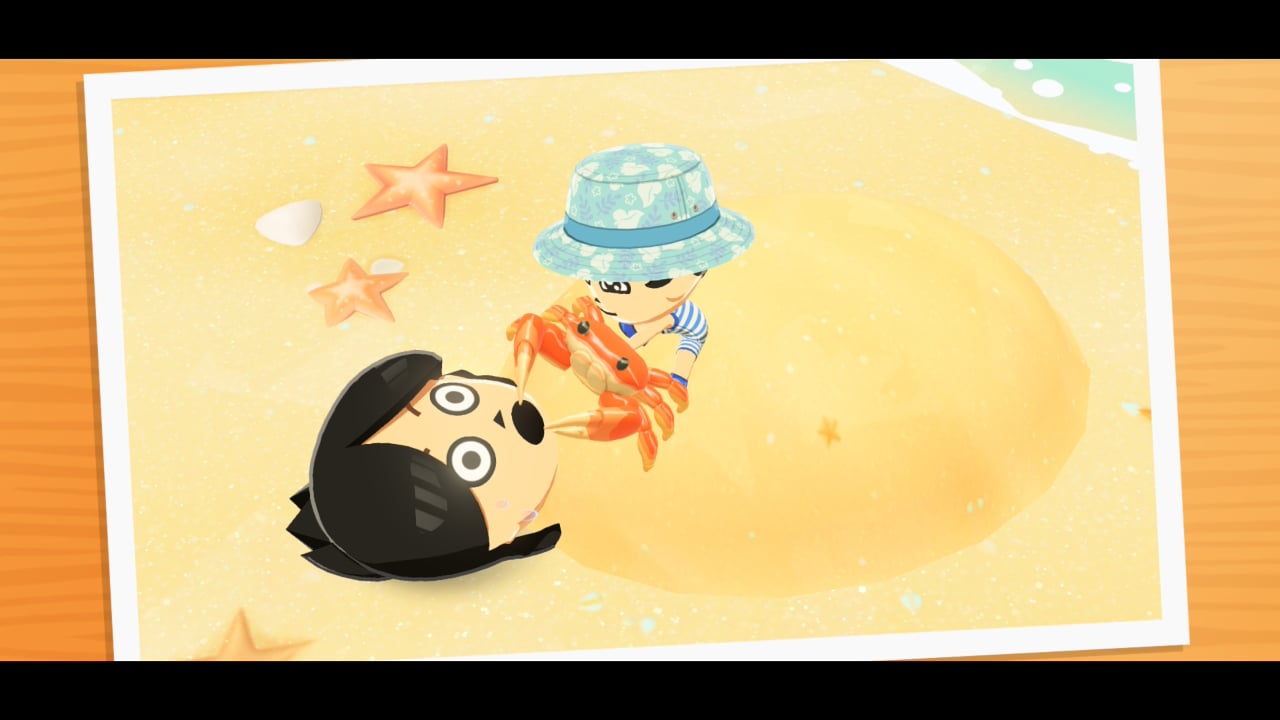
This lack of content carries over to interactions between Miis, which are really the meat and bones of the series. 25 hours in, it feels like I’ve seen most of the chats, dreams, and romantic confessions the game has to offer. I have plenty more items to collect and Miis to make, sure, but I’ve seen one of the dreams at least four times now, and I’ve found myself impatiently skipping through conversations because they always go the same way.
When I say they always go the same way, I mean that my island is seemingly devoid of conflict, and that’s the most frustrating part. After so many hours on an island packed with diverse personalities, my Miis have never once gotten into a real argument—just little bad moods that I can easily resolve by tossing them a snack. Every single attempt to form a friendship has been successful, and the same goes for Miis moving in together. At one point, I watched as a Mii’s crush rejected him, and he grew depressed. I was admittedly delighted, and I’m sad that I was—it’s weird that the game would make me actually wish for stuff to go wrong instead of root for my Miis. After I cheered him up, his crush fell in love with him after a few hours anyway, so none of it really mattered.
The only thing that has gone seriously wrong on my island should, actually, not have happened. I told Cooking Mama to talk about “cooking” in an interaction that would determine if she moved in with Isabelle or not. In these interactions, Miis are prompted to say something they’d enjoy doing together as roommates every day, and if they say the same phrase, they get to move in together. I told Cooking Mama to, predictably, say “cooking,” and that’s exactly what Isabelle said, too. But because Isabelle’s “cooking” was pulled from the game’s word bank, not my own (made apparent by their different text colors), Cooking Mama declared that they weren’t on the same page even though they literally were. I can’t be mad about it, especially since I’m maybe the only player this freaky coincidence has ever happened to. It’s just funny that the one significant disagreement my Miis had shouldn’t have been a disagreement at all.
This frictionless song and dance is quickly growing old. I miss opening my island and finding my Miis throwing items at each other for no particular reason. I miss when my Miis got sad in a way that felt real. I miss when my Miis didn’t always want to be friends or start dating, and it was still okay because you could always try again later. Having to try again was better, actually, because it made relationships feel meaningful. Here, it feels like there’s not much to look forward to because everything happens right away, which makes Living the Dream feel more like a gratuitous tool for wish fulfillment than an actual game.
Oh Mii Oh My…
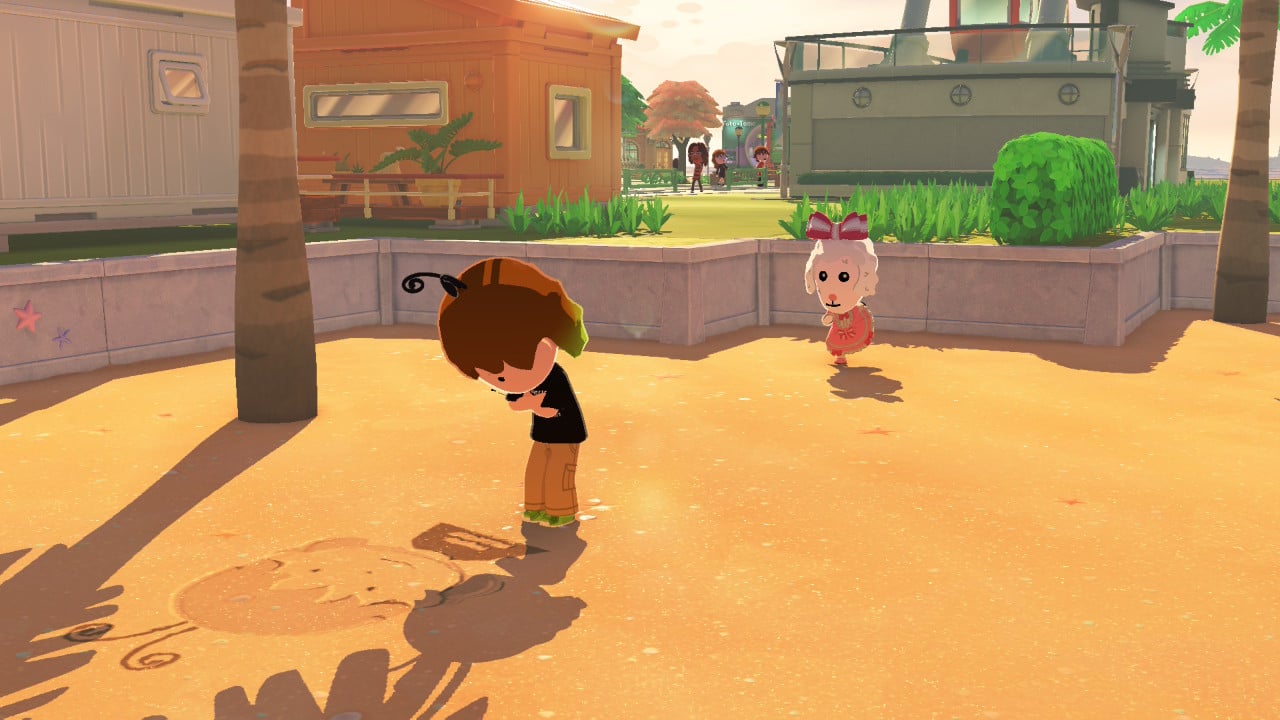
It feels like everyone’s posting hilarious screenshots from Living the Dream on Twitter with the same four words: “game of the year.” But there’s one thing that ties these screenshots together: they’re all funny because of what the players have created in the game, not because of the game itself.
Living the Dream relies fairly heavily on customization to find its humor. Items drawn in Palette House are apparently a lot more likely to show up in cutscenes, minigames, and dreams than pre-existing ones are. My baby’s first words were the title of a game I gave one of my Miis. A minigame that asks me to identify items’ shadows frequently shows me the unmistakable silhouette of the ugly borzoi I drew. Every single time I’ve seen a Mii sautéing ingredients in an apartment’s kitchen, they’ve been cooking up a slice of Amelia Funfetti Cake, the throwaway dish I made during the tutorial.
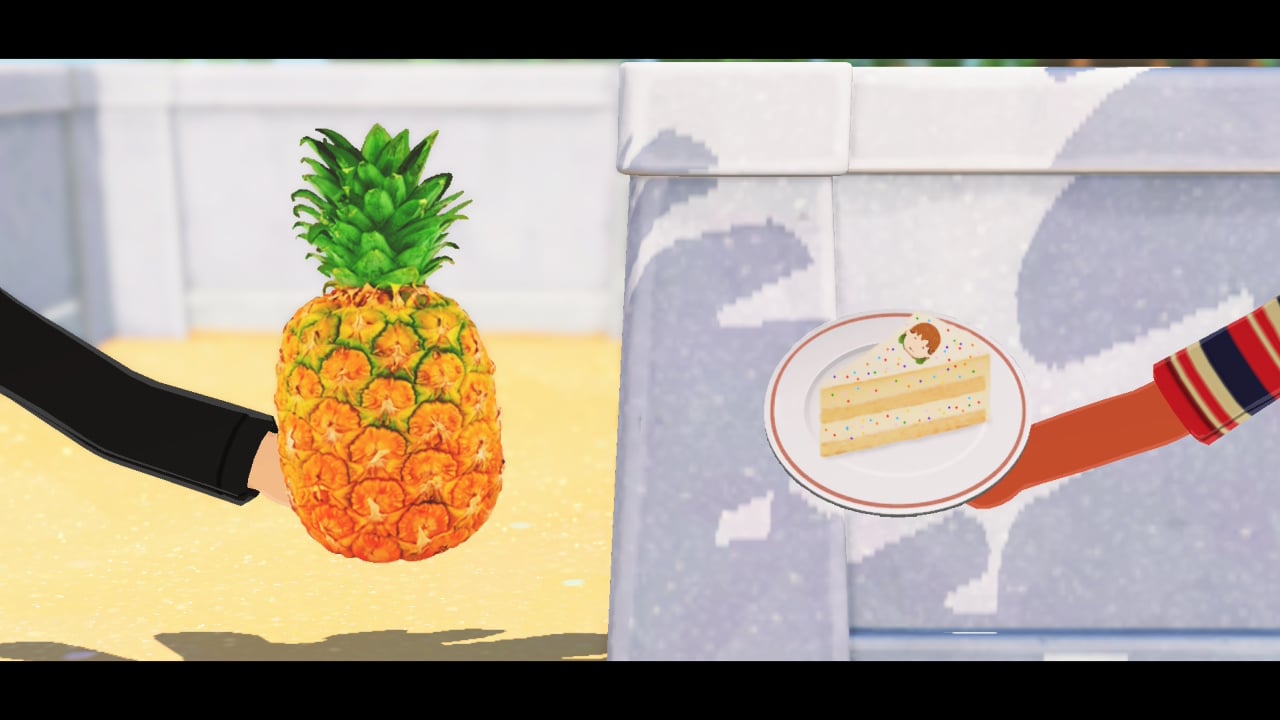
It’s funny at first, but after a while, it starts to feel like the game believes it has to constantly remind players, “Hey, look what we let you create! Isn’t this funny?” to compensate for the fact that it doesn’t do much on its own, and I’m tired of it. In fact, I get excited when items I didn’t create show up in cutscenes. Once, the Mii I made of my mom’s dog was roasting popcorn over a fire when a flying squirrel swept in and stole it from her, and I genuinely laughed out loud because the joke wasn’t just Amelia Funfetti Cake being shoehorned into a situation for the millionth time.
Unless you enjoy leaving your Miis hanging, there’s no way to ignore Palette House (and the cutscene saturation that comes with it) because Miis frequently request items you’ve created there. One feature is gated behind it entirely, too. The game has a big button for exterior redecoration that suggests there might be some premade housing designs or at least recoloring options that pop up somewhere down the line. But as it turns out, there aren’t—you’re stuck designing your own exteriors or just dealing with the default.
There’s no way to know what went on behind the scenes while Living the Dream was in the works, but my tinfoil hat and I are convinced that a lot of its predecessor’s content was left out or simplified to make room for more robust customization. According to Nintendo’s own “Ask the Developer” interview about the game, developing the game’s user-generated content systems took six or seven years, while the entire game was in development for around nine. And yeah, Palette House is undeniably a great feature. I’ve had fun bringing albums I love into the game and making what’s quite frankly some stupid bullshit for my Miis to eat. I just can’t help but despise it when I think of the baby Miis, gifts, and interactions that could have been more fleshed out and fun if the developers had spent more time creating content and less creating avenues to let players make it themselves.
When you consider the amount of time Nintendo spent developing this aspect of the game, the fact that Nintendo outright banned screenshot sharing becomes all the more baffling, as it makes it that much harder for people to show off the game’s defining feature. Players have to resort to downloading images via SD card or USB, which is just a worse way to do what they’re ultimately going to do anyway: put those screenshots on Twitter.
Tomodachi Life: Living the Dream
-
Back-of-the-box quote:
This isn’t cute or heartwarming. Miis only do this when they’re in distress.”
-
Developer:
Nintendo
-
Type of game:
Ant farm but with humans.
-
Liked:
Open-world Mii roaming, improved customization, and Miis remembering the phrases you tell them.
-
Disliked:
Customization prioritized over content, conflict is seriously lacking, and standard sharing methods are blocked.
-
Platform:
Nintendo Switch
-
Release date:
April 16th, 2026
-
played:
About 25 hours.
I do understand why Nintendo wants to prevent sharing. Protecting younger players from being exposed to inappropriate content is important! But it’s also frustrating when you consider the fact that this means there are no online sharing features for Miis or designs, and you have to create everything yourself in a game where so much relies on creation. I don’t need to tell you that this is an issue myself, because it’s currently being made evident by the players who are flocking to workarounds like this website that translates images into pixel art, which they can then painstakingly copy pixel by pixel into the game, as well as this sharing tool where players can upload Mii designs for inspiration.
I especially despise Nintendo’s restrictions on sharing when considering the fact that the original Tomodachi Life let players share Miis freely. Even the Animal Crossing series, which let players create designs on a smaller grid, had its own sharing method. If the line was drawn because Living the Dream lets Miis swear, I’d give that back in a heartbeat to get to download Miis again (and share my screenshots without needing a cable, a laptop, and a dongle to do it).
Identitii Crisis
Okay, back to the ant farm I had when I was eight. Remember that goofy pseudo-metaphor from several thousand words ago? The problem with it was that gel ant farms are not sustainable. The ants don’t get real nutrients from the gel, and sometimes, they even get trapped inside of it and suffocate. Sure, you get to pick the gel’s color, see more of the ants’ daily lives, and admire a self-contained world that looks really cool. But when I was eight, the colony of ants I cruelly sealed in a world of gel died out pretty quickly, all because I wanted it to be blue. That’s what I worry is happening to Tomodachi Life because of Living the Dream, which wears Palette House on its sleeve but lacks a lot of the content and conflict that made its predecessor a special, long-lasting game.
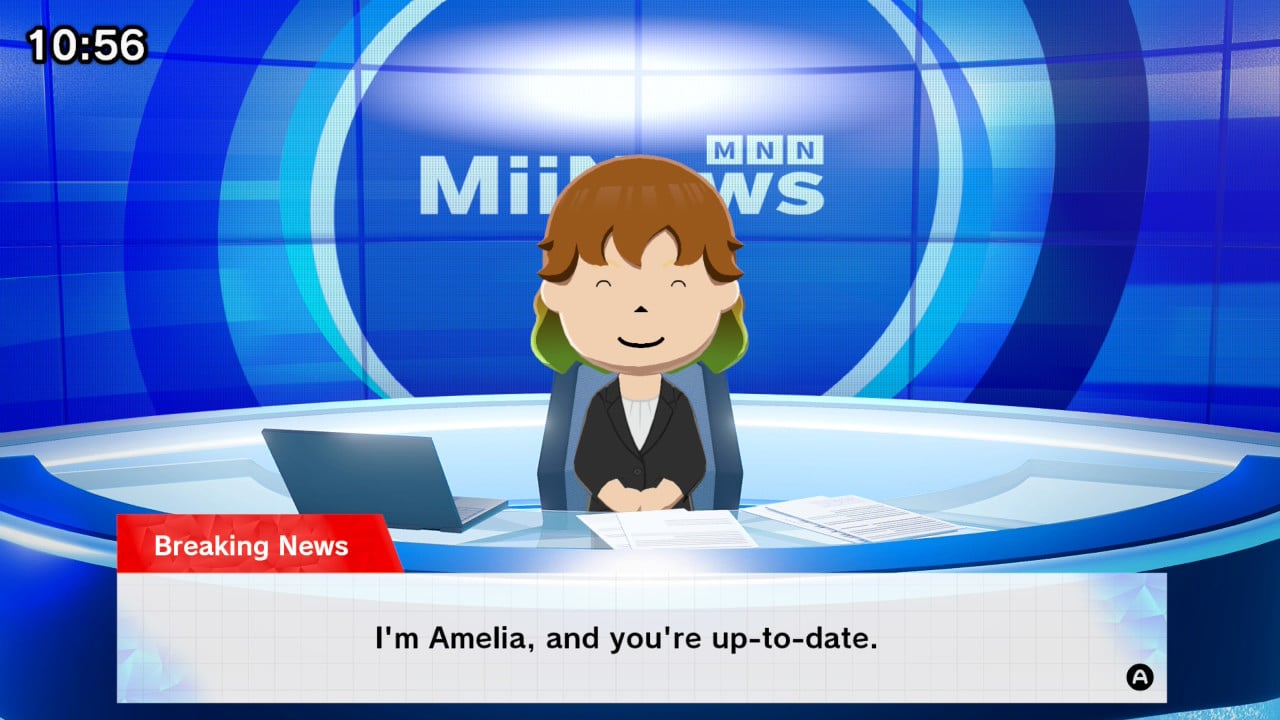
Don’t get me wrong: I think Living the Dream is a good game that makes a lot of solid improvements on the original’s formula, and I can already tell that I’m going to check in on little Amiilia and their friends for years to come, much like I did with the original Tomodachi Life. However, that’s mostly because it’s Tomodachi Life on my favorite console, not because it’s Living the Dream.
I just feel inclined to criticize Nintendo prioritizing customization over content because I care about this series so much. I worry because I’ve seen other games stumble down the UGC-oriented path that Living the Dream positions Tomodachi Life at the trailhead of. I watched UGC creep into Tears of the Kingdom, a fantastic game that has a misplaced engineering mechanic that seems to beg, “Hey! Post your weird cars on Reddit!” The most obvious comparison here, though, is what happened suddenly and terribly to Animal Crossing with New Horizons. Its villagers were lobotomized and forced to repeat the same few overly kind lines of dialogue over and over again, but hey, at least you could place furniture on the island now. It makes sense that Nintendo would borrow this focus on decorating from New Horizons, which was a massive financial success. What it wasn’t successful in, though, was getting its players to view their towns, and the villagers that inhabit them, as anything more meaningful than canvases.
I also worry about Nintendo losing touch with what “cozy” means. I’ve always disliked the descriptor—sometimes I’ve been more stressed out playing Stardew Valley than Call of Duty—but I wonder if Nintendo misinterprets the demand for cozy games as a demand for easy games, both mechanically and thematically. We saw this in New Horizons, too, where villagers loved you right off the bat rather than bullying you a little bit first. I even saw this in Pokopia, which has grittier themes than Nintendo’s other life sims but is still packed with creatures who call me “bestie” just seconds after meeting me. Now that my Miis get along so well that I’m constantly hoping something goes wrong just for a change of pace, it’s hard not to feel jaded about these games being sanitized in comparison to their predecessors.
I don’t think Tomodachi Life as a series is at a critical tipping point just yet. I’m still enjoying Living the Dream a lot, but the game’s focus on user-generated content seems indicative of the direction the rest of Nintendo’s cozy games seem to be heading in, too. Really, the problem with the game is spelled out in the title. When I’m playing a life sim that’s known for being an ant farm full of ups and downs, I don’t necessarily want to live the dream. I just want to live life.