


Sir Keir Starmer arrived in the Gulf on Wednesday to meet allies in the region and discuss diplomatic efforts to “support and uphold” the ceasefire deal between the US and Iran.
The prime minister welcomed the news of the agreement reached between Washington and Tehran, saying it will “bring a moment of relief to the region and the world”.
Donald Trump announced the conditional two-week ceasefire in a social media post at around midnight on Wednesday, following his threats to destroy Iranian civilian infrastructure if a deal was not reached by 2000 Eastern Time [0100 GMT].
A joint statement by world leaders, including Sir Keir, said they would “contribute to ensuring freedom of navigation in the Strait of Hormuz”.
The statement, signed by the leaders of the UK, France, Italy, Germany, Canada, Denmark, the Netherlands, Spain and the presidents of the European Commission and European Council, welcomed the ceasefire and said: “We support these diplomatic efforts. To this end, we are in close contact with the United States and other partners.”
It also called upon all sides to implement the ceasefire, including in Lebanon, which Israel has continued to bombard with strikes on Wednesday.
No 10 said Sir Keir will meet leaders of countries who have been on the front line in recent weeks, where he will reiterate “unwavering UK support”.
Speaking after arriving on Wednesday afternoon, Sir Keir thanked British military personnel for their work at King Fahd Air Base in Taif, Saudi Arabia.
When asked if he believed the US-Iran ceasefire could last for meaningful talks to begin, he said it was “early days” and “there’s work to do”.
“There is a real sense, I think, of relief you can feel it at the base here in Saudi Arabia, for 39 days, they’ve been acting in our collective self-defence. You can feel the relief,” he told broadcasters.
“But what they want to know, what people in the United Kingdom want to know, who will share that relief, is that this needs to be permanent, and it’s our job to work with other countries in the region, not only on the cessation of possibilities, but also on opening the Strait of Hormuz.”
The trip will also involve the prime minister holding talks to ensure the reopening of the Strait of Hormuz remains permanent and “protect the UK and global economy from further threats”.
Announcing the ceasefire around midnight, Donald Trump declared it a “big day for world peace”.
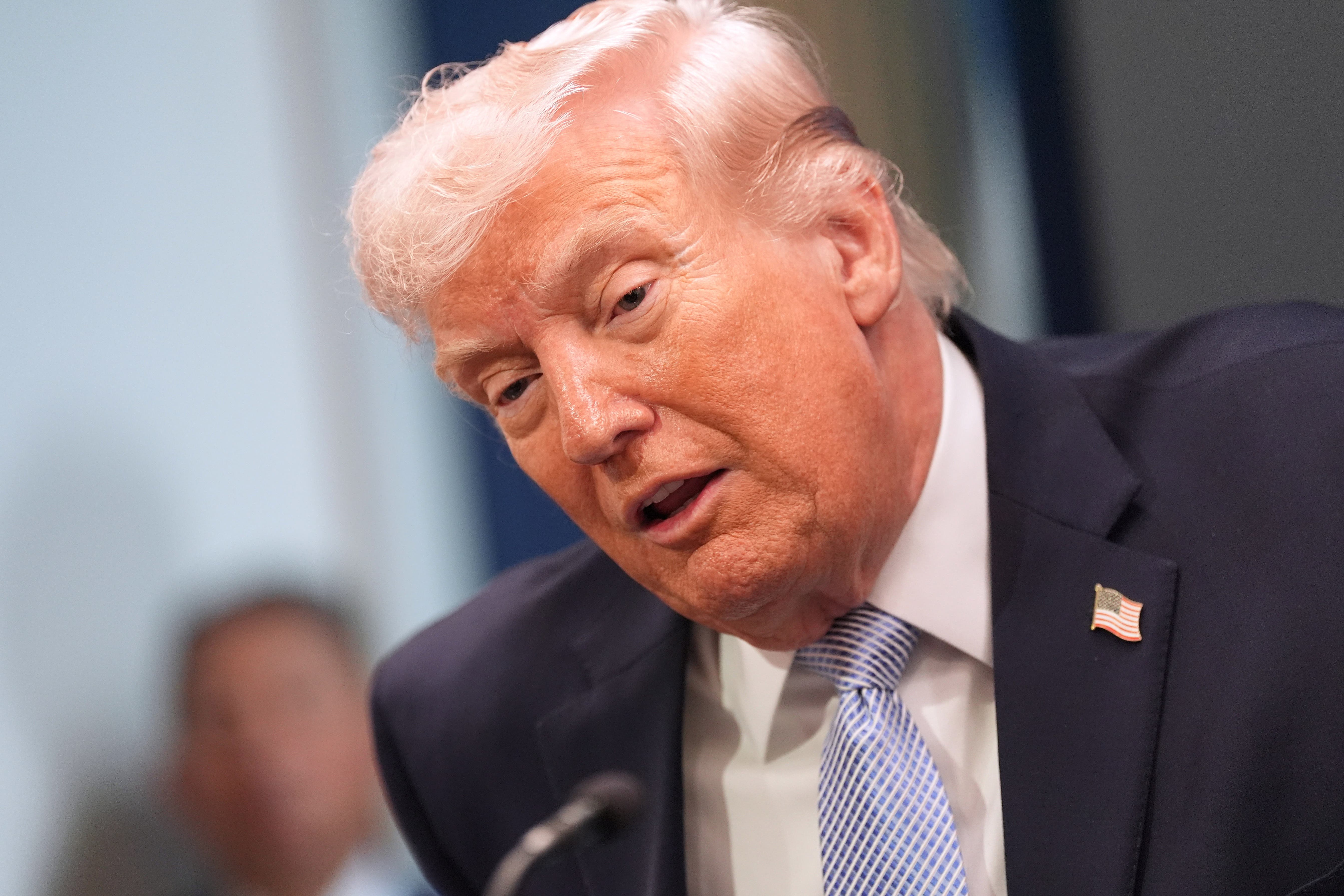
“The United States of America will be helping with the traffic buildup in the Strait of Hormuz. There will be lots of positive action! Big money will be made,” he wrote on Truth Social.
Mr Trump had threatened to destroy Iran’s bridges and power plants and warned earlier on Tuesday, “a whole civilisation will die tonight” if Tehran did not meet his deadline.
But less than two hours before the deadline passed for Iran to agree a deal, the US president said he was suspending his threat to widen the military offensive to power plants and bridges, subject to the strait reopening.
Both the US and Iran have since framed the ceasefire as a victory, with the announcement bringing oil prices plummeting below $100 a barrel for the first time in days.
Sir Keir defended the UK’s diplomatic efforts to resolve the crisis despite playing no part in the ceasefire talks, telling broadcasters on Wednesday that the foreign secretary had convened a political meeting with 30 countries.
“We’re here to build that with our allies. It’s vital we do so, because my job is to protect the United Kingdom from the impact of this war,” he said.
Earlier on Wednesday, former national security adviser Peter Ricketts said the war had been a “huge wake-up call” for Britain, and warned the government must now “completely forget” the idea of a special relationship between the UK and US.
“The idea of a special relationship we should now completely forget. It’s a transactional relationship with Washington as with every other country,” Lord Ricketts told BBC Radio 4’s Today programme.
He said that while he believes officials behind the scenes will still be working together, relations at a top level have been “incredibly difficult and choppy”.
“I think we do have to rethink the idea that the US is a reliable, trustworthy ally on which we can depend in the longer term,” he said.
“We’ve got to get closer to the Europeans, we’ve got to work out how we live in a world where American interest has moved away from Europe, and we can no longer rely on the kind of relationship we’ve had with America for my 50 years of involvement in foreign affairs.”
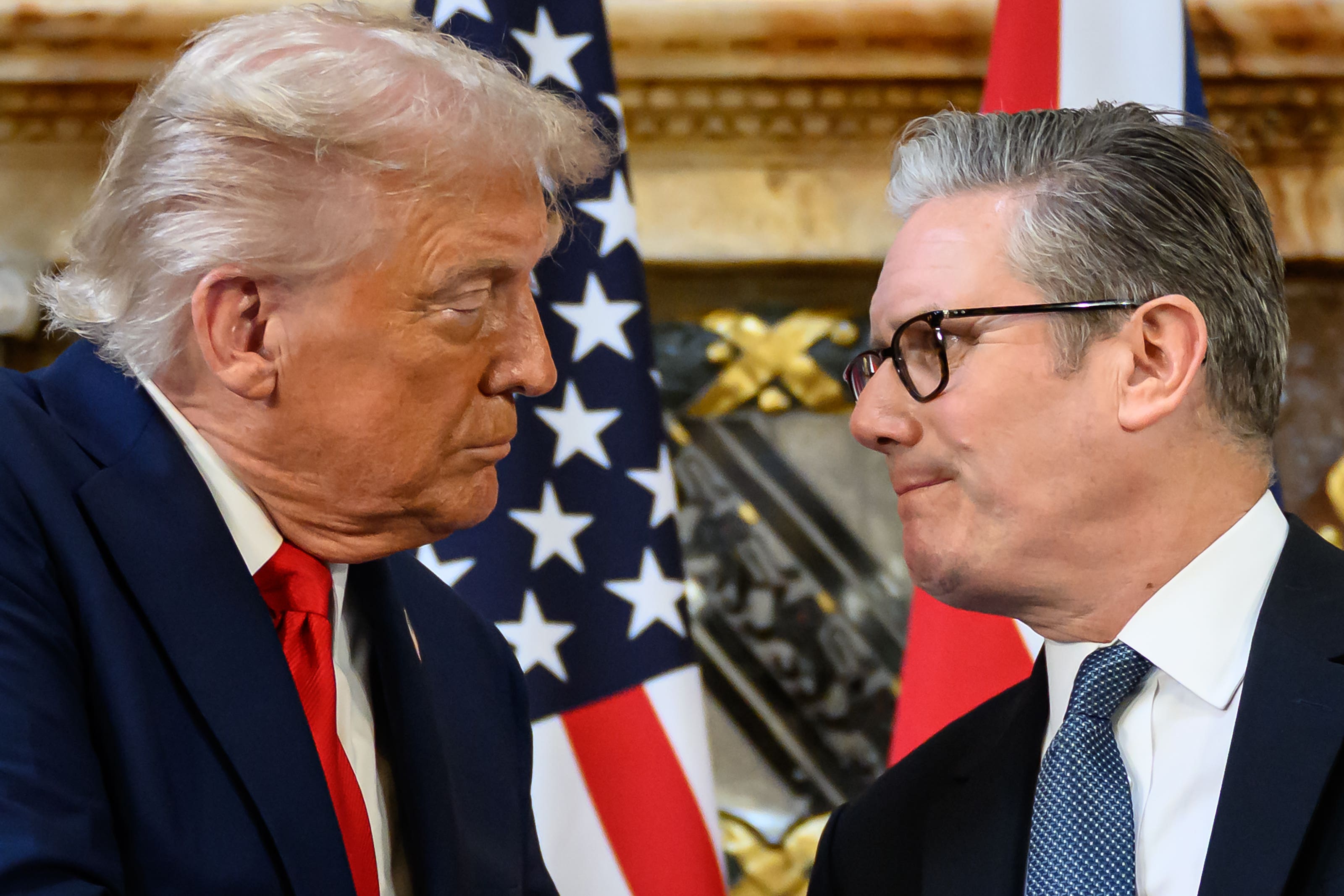
Sarah Jones, the policing minister, said the government is “relieved” by the news of the ceasefire, but warned that securing a lasting peace “will be difficult”.
“The detail of that ceasefire is yet to be seen. Of course, we want to see a lasting peace, but there will be challenges,” she told Sky News.
“The negotiations will be difficult, particularly when it comes to the nuclear assets in Iran. Opening up the strait is hard in terms of making sure the shipping companies, the insurers, are confident that they can get through. So none of these things are easy.”
She confirmed that the UK is “not playing a role in those peace negotiations”, adding that Pakistan has played a leading role.
On Iran potentially gaining nuclear capabilities, she said the UK has “always been very uncomfortable” with this and added: “Our position on nuclear hasn’t changed.”
It is understood that Yvette Cooper spoke with US secretary of state Marco Rubio in the hours after Mr Trump warned that “a whole civilisation will die”.
The foreign secretary and Mr Rubio on Tuesday evening discussed international efforts and diplomatic measures to open the Strait of Hormuz, including a UK-led meeting, which brought together more than 40 countries to pursue reopening.
Ms Cooper is thought to have urged a swift end to the conflict and gave the UK’s backing to negotiations and efforts to prevent further escalation.