


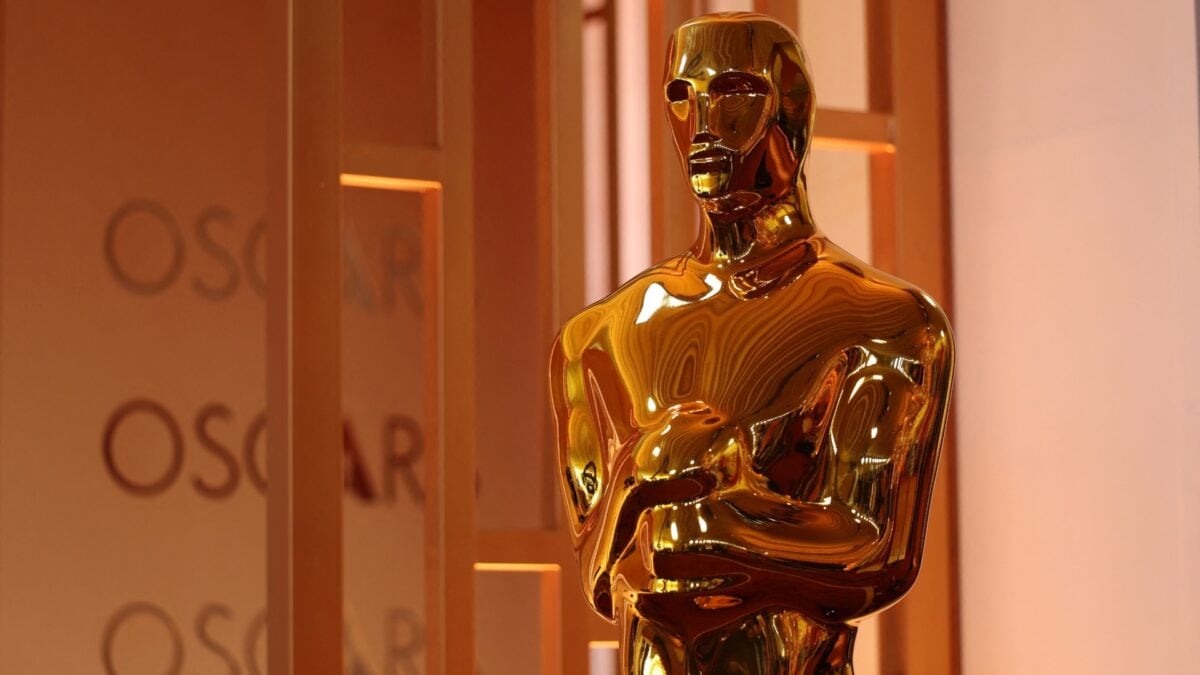
As companies have embraced generative AI, the Oscars won’t be playing ball in that respect.
On Friday, the Academy of Motion Picture Arts and Sciences announced new eligibility rules. Going forward, acting roles “credited in the film’s legal billing and demonstrably performed by humans with their consent” (emphasis ours) can be considered. Likewise, writing has similarly definitive language around the controversial technology: screenplays “must be human-authored to be eligible.”
In recent months, AI-focused companies have floated performers made with the controversial technology, like Tilly Norwood, as the future. That, plus an upcoming movie’s genAI-made performance of the late Val Kilmer, has sparked controversy online. With these new rules, the Academy seems to be cutting off any ambitions and concerns: they can’t stop productions from using genAI, but those works just won’t be rewarded for that. At time of writing, the Academy hasn’t established rules about genAI being used in other categories like visual effects, costume design, or music. But the steps taken here are big, and give a foundation for other awards to work with in their own medums.
There’s other changes coming to the Oscars: actors can be nominated for multiple performances in the same category, and international movies are credited as the nominee instead of the country or region they’re from. You can read the full list here.
Want more io9 news? Check out when to expect the latest Marvel, Star Wars, and Star Trek releases, what’s next for the DC Universe on film and TV, and everything you need to know about the future of Doctor Who.