


By Jennifer Asencio
| Published
The 90s were the heyday of fantasy television programming. Some of it was iconic and still remembered today; other series are barely a ripple in fans’ collective memory. Fantasy has always been a more closed-off genre than science fiction, thanks to the popularity of Star Wars and Star Trek. However, before Aragorn and Frodo brought their fellowship to the big screen, TV set the stage by whisking us away to fantastic places, from other worlds to our own towns.
Fantasy has always been narrower than science fiction due to the limits it faces. Once magic evolves into machines, it becomes less fantasy and more like a flavor of sci-fi. The icons and the forgettable attempts in the 90s era of television created enduring classics. Not every series was intended solely for adults: several were tailored for young adults and children. Fantasy offers fewer entries into the genre but draws just as many dedicated fans as science fiction does.
Hercules Paves The Way

Hercules: The Legendary Journeys, with Kevin Sorbo as the titular Hercules, starts the strongman’s adventures inside fantasy-infused Hellenistic Greece. Throughout the series, time is merely a suggestion as they meet groups of people separated not just by distance on a largely unexplored continent but also by centuries and millennia. The grand adventure begins with five made-for-TV movies that set the stage for characters and story elements. Hercules ran for an impressive 111 episodes before it was canceled during filming its sixth season.
The show is very episodic, with each episode being a largely self-contained story of Hercules and his sidekick Iolas helping a settlement, traveling band, or any of the other supernatural entities that inhabit this fantastical Greece, showing that the worst monsters are sometimes just as human as those around them. This wouldn’t be Hercules without him also having to overcome mythological menaces, from minotaurs to the whims of fickle gods.
Xena Alters The Course Of Television

Before she had her own show, Xena the Warrior Princess was one of the early sidekicks to Sorbo’s Hercules for three episodes. Initial plans called for her to be killed off, but she proved to be such a fan favorite that, as the Greek gods are known for, her fate was changed. It was that shift in the alignment of the stars that created one of the most enduring legacies of the 90s.
As an icon of the LGB movement with the unspoken romance between Xena and Gabrielle, the series altered the course of the television programming that came after it. Xena: Warrior Princess so immediately overtook Hercules in ratings and cultural influence that by the second season, it was the leading syndicated drama series on American television. Running for 134 episodes over six seasons, like with the Hercules plotline, time became a ball of yarn and production was the kitten batting it around without remorse.
Charmed By Three Sisters

One of the fantastical things about fantasy is that it does transcend time and place. Take the hit television series Charmed. Following three sisters who discover that they are witches destined to help protect the Earth against evil, Charmed ran for over 8 seasons and 178 episodes. It gave us many highs and lows, characters died, and new characters replaced them. Drama and action kept fans engaged throughout its run, which ended in 2006 after premiering in 1998. A reboot made in 2018 also lasted for three more seasons, but with different characters.
As a series, Charmed was more than just a show for girls; its female leads drew fans from everywhere. The series started close to the sisters as they learn their powers and the dangers of their new world. Minor threats like rival warlocks and old magical effects expand into multiversal enemies, such as demon lords, going so far as to include The Source of All Evil. What would a paranormal series about witches be without some romance? One sister ends up with an angel, another falls in love with a demon. Their family dynamics are rather complicated, making holiday dinners awkward.
Sabrina Makes Sitcoms Magical

While many of the other shows tried to have serious plots that lasted entire seasons, Sabrina the Teenaged Witch was a take on the fantastical in the modern day, but as a sitcom. It follows Sabrina from her first day at a new high school after moving in with her two aunts. Each season took place over roughly one academic school year. Being a sitcom, the episodes are all largely self-contained plots with a little carryover to from longer narrative arcs.
We aren’t just thrust into Sabrina’s world; we are given a chance to explore it with her as she learns about her powers, her family’s powers, and the wider supernatural world. The series starts with her first levitation with her aunts watching lovingly from the door. Throughout much of the first season, she blunders and bumbles through each misadventure, with the resolution happening by the end of the episode. She learns her aunts’ cat is actually a witch who was cursed into that form a century ago for trying to conquer the world.
The series aired for seven seasons, from 1996 to 2003, with 163 episodes, in addition to three made-for-TV movies. Sabrina the Teenaged Witch created an endearing legacy that saw a reframing with Netflix’s Chilling Adventures of Sabrina, which ran for two seasons and did not get the traction the original had. We might all be waiting a while for more Sabrina shows as there are many hurdles that would need to be overcome in production, but the original episodes of this fun, charming series are available for free on Tubi, along with other streaming services.
Highlander: The Series Wins Awards

In the 1990s we got to see so many amazing adventures that to go over them all would fill this article and many others. Honorable mentions include the series Highlander, which saw Adrian Paul playing Duncan MacLeod and was an international hit.
Airing for six seasons and 119 episodes, the show was set outside the continuity of the films, where Christopher Lambert’s Connor did not win the prize. Nominated for several awards during its run, the show was highlighted by fan acclaim and the acting abilities of the cast.
Beastmaster Has Three Seasons Of Impact

BeastMaster does not have the staying power of the other shows as it only had three seasons and 66 episodes. It follows the new adventures of the beast master Dar in the fantastical world that he lives in.
There is plenty of action and adventure, but as the seasons progress, pacifism and themes of nature begin to emerge from Dar. It highlights an era of their world when technology is advancing, as the older ways of magic and naturalism are getting replaced. Mortal and immortal perils threaten Dar, his animal companions, and the wider world. To catch this wild ride, tune into Tubi and Roku while they’re still showing it.
Fantasy Horror Made Fun For Kids

Fantasy and sci-fi from the 1990s for kids could fill an entire article of its own, yet two shows are endearing and fun to watch. Both feature comedic, horror, and fantasy elements, as well as some episodes of great storytelling. Those two series are Are You Afraid of the Dark? and Goosebumps.
Are You Afraid of the Dark? ran for 10 seasons between 1991 to 1996. In 1999 it was revived for two more seasons, and then again much later in 2020, when it ran for three seasons until 2022. An anthology of horror, fantasy, and drama told in independent episodes, the show has endured because it has been a safe space for kids to explore the horror genre.
Goosebumps, which followed the books by children’s horror author R.L. Stine, aired for four seasons, with 74 episodes of horror, drama, fantasy, and sci-fi all thrown into it. As an anthology series, each episode or pair of episodes was standalone, telling a frightening tale, from haunted Halloween masks, a radio station only the dead can hear, and an evil sponge. 43 of the original 62 books were adapted into an episode(s) for this series, as well as a movie starring Jack Black.
1990s Television Paved The Way For Peter Jackson

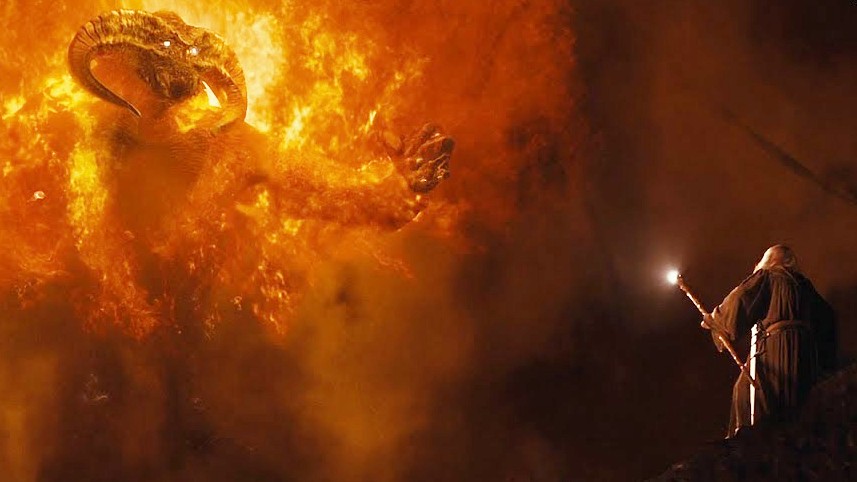
With programming accessible to all ages, the 1990s stopped treating fantasy as a guilty pleasure and embraced it as serious entertainment. This helped pave the way for the success of Peter Jackson’s Lord of the Rings trilogy, the early Chronicles of Narnia movies, and other adult fantasy entertainment, especially as those kids grew up and introduced their own children to their childhood heroes.
Thanks to those efforts, fantasy is now thriving, with more Tolkien content coming out every day, as well as upcoming releases like Masters of the Universe and The Odyssey. Fantasy is alive in modern entertainment, and we have the 1990s to thank for convincing Hollywood to carry us away into magical worlds.