


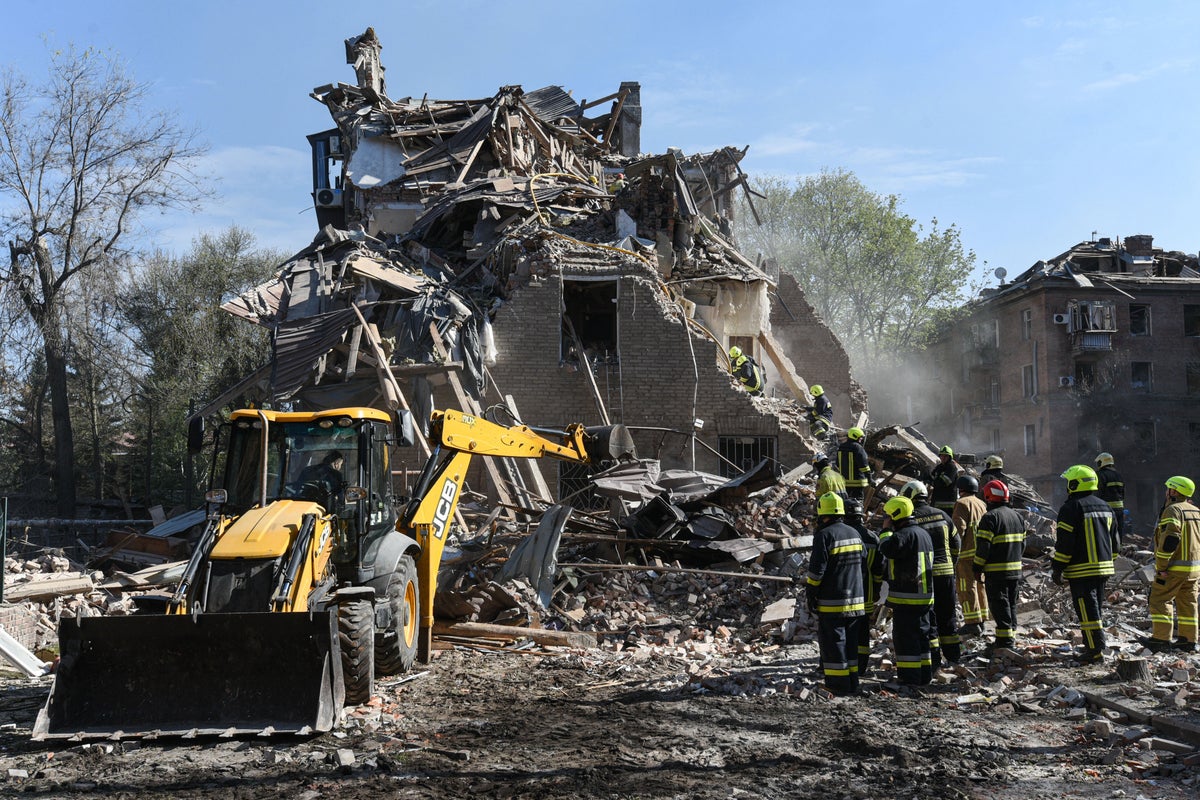
Britain has imposed a raft of new sanctions targeting Russian networks accused of trafficking vulnerable people from Africa and the Middle East to serve on the front lines in Ukraine.
The 35 new measures, announced on Tuesday, aim to dismantle operations that reportedly trick people from countries including Nigeria, Syria, and Yemen with false promises of a better life, only to send them directly to the battlefield.
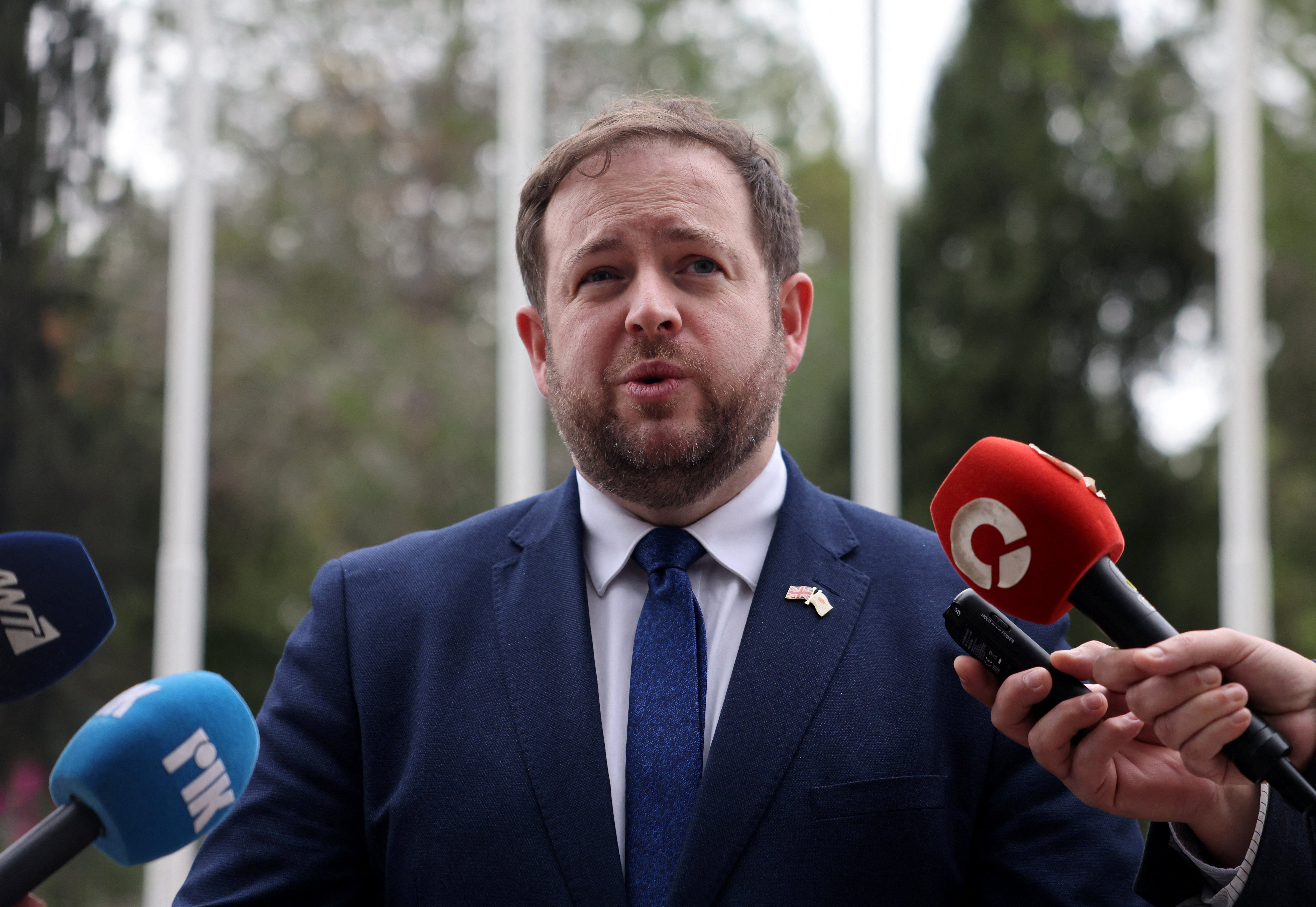
Foreign Office minister Stephen Doughty condemned the practice as “barbaric,” accusing Russia of “exploiting vulnerable people” and using them as “cannon fodder”.
These sanctions follow a report last week by the International Federation for Human Rights, which revealed Russia has recruited at least 27,000 foreign fighters since 2022.
The report detailed a “global recruitment system that deliberately targets the most vulnerable populations” often luring individuals to Europe with the promise of well-paid civilian jobs.
It estimated that a fifth of these recruits did not survive their first four months of deployment, frequently suffering from poor training and ill-treatment by their commanders.
Among those specifically sanctioned on Tuesday are Polina Azarnykh, a former teacher alleged to have recruited individuals from Africa and the Middle East, and Elena Smirnova, accused of using deception to recruit Cubans alongside Cuban national Dayana Echemendia Diaz.
Two men, Sergei Merzlyakov and Abid Kalid Sharif Abid – who holds Syrian and Iraqi nationality – are said to have helped traffic people from the Middle East and Bangladesh both to fight in Ukraine and to “destabilise” Finland and Poland.
Several companies and individuals have also been sanctioned for recruiting Indian nationals through offers of student visas or jobs in Russia’s security sector.
They include Indian nationals Faisal Khan, Deepak Pandey, Manjeet Singh, Rakesh Pandey and Mohammad Daragur, along with companies Baba Vlogs Overseas Recruitment Solutions, OSD Bros Travels and Visa Services and Adventure Visa Services.
As well as trafficking people to fight on the front line, Russia has lured people from Africa and Asia to work in its drone factories, including through a scheme called the Alabuga Start Programme.
The programme, also the target of sanctions on Tuesday, recruits people from “economically insecure backgrounds” to work in weapons factories in Tatarstan, around 500 miles east of Moscow.
Those sanctioned for their role in the Alabuga Start Programme include Cameroonian national Michel Ateba and his company, Enangue Holding.
Others involved in Russia’s drone industry have also been sanctioned, including Pavel Nikitin, whose company builds the VT-40 attack drone that has been used extensively by Moscow, along with Chinese company M9 Logistics and Thai businesses Canopus Trading, Tanaq and Sea 2 Sky.