


- Key insight: The House passed three bipartisan bills aimed at reducing regulation on small banks
- Supporting data: The SMART Act provides flexible, less intense exam options to firms under $6B in assets deemed well managed and capitalized.
- Forward look: The Independent Community Bankers of America urged the Senate to quickly advance the bills.
The House of Representatives on Tuesday night passed three bipartisan bills targeted at providing relief and support for small financial institutions, continuing the initiative by House Republicans to ease regulatory burdens on community lenders.
Processing Content
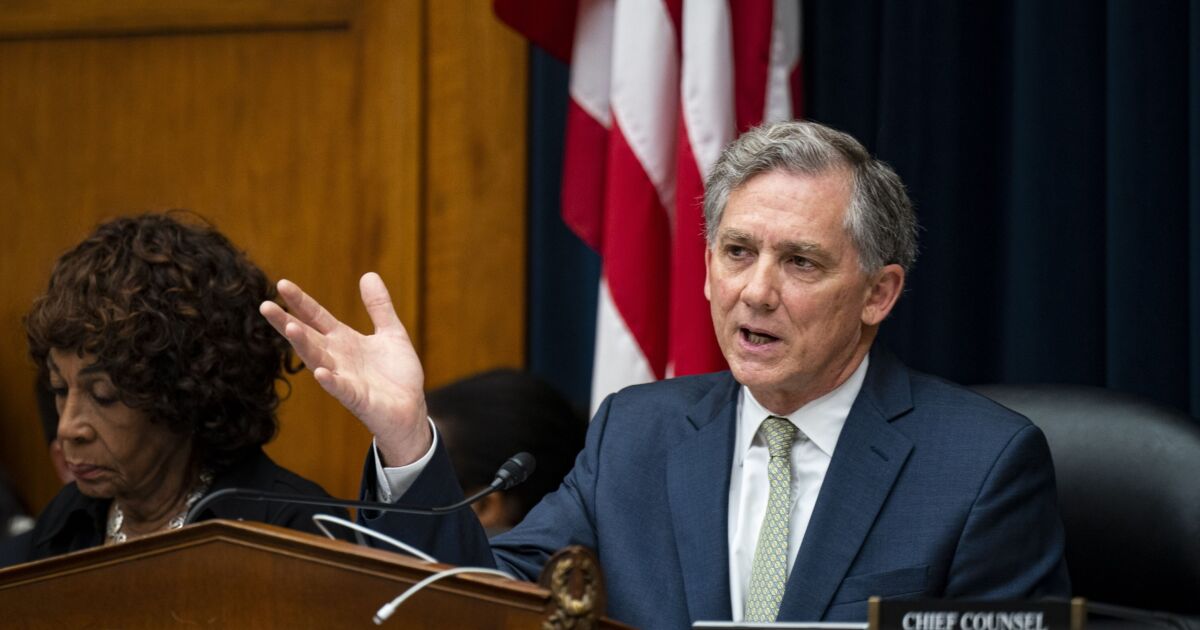
French Hill, R-Ark., who chairs the House Financial Services Committee, was a leading figure in the bills’ passage, has been a major proponent of a “make community banking great again”
The SMART Act of 2025, would tailor supervisory requirements for firms — with under $6 billion in assets — that are considered well-capitalized and well-managed. Rather than being subject to regulator full-scale exams each cycle, banks that meet minimum capital thresholds, have no ongoing enforcement actions, no recent ownership changes and who pass supervisory management ratings would be subject to less frequent and more flexible examinations.
Institutions could request otherwise separate exams be consolidated into single examinations and opt for alternating limited-scope exams rather than full, onsite exams every cycle. Regulators would be directed to reduce headcounts on site, while still having the tools to identify emerging risks in targeted reviews.
Hill said the measure would allow community lenders to devote more resources to customers and local economies.
“The SMART Act makes further improvements to bank and credit union examinations, including requiring federal regulators to improve examination practices by assigning experienced examiners, minimizing unnecessary on-site disruptions, and ensuring that exams are conducted in a more efficient and predictable manner.” Hill
Lawmakers also approved the Advancing the Mentor-Protege Program for Small Financial Institutions Act, sponsored by Rep. Joyce Beatty, D-Ohio. The bill would codify the Treasury Department’s mentorship program that pairs small or rural financial institutions with larger firms — generally those with at least $50 billion in assets. These mentorship pairings are aimed at helping small lenders develop the operational capacity and expertise needed to qualify for government financial services work. Eligible participants would include banks or credit unions with less than $2 billion in assets, minority depository institutions and certain rural lenders.
The House also passed the TRUST Act of 2025 that would allow regulators to examine small, well-capitalized banks less frequently, raising the threshold for the 18-month exam cycle from $3 billion to $6 billion”
“It’s critical that we modernize outdated thresholds to prevent inflation and economic growth from unnecessarily increasing burdens on our community institutions,” Hill said. “By expanding access to an extended exam cycle, these well managed community banks with a strong track record can focus more time, more resources on lending and serving their customers, rather than just [being] caught up in an endless cycle of repetitive paperwork.”
Community bank advocates welcomed the bills’ advancement, as the legislation addressed a number of issues
“ICBA and the nation’s community banks strongly support House passage of legislation advancing sensible regulatory relief that will help community banks direct more resources toward serving their customers and communities,” Independent Community Bankers of America President and CEO Rebeca Romero Rainey said. “We thank House leadership and the House Financial Services Committee for prioritizing this bipartisan legislation and encourage the Senate to quickly pass it.”