


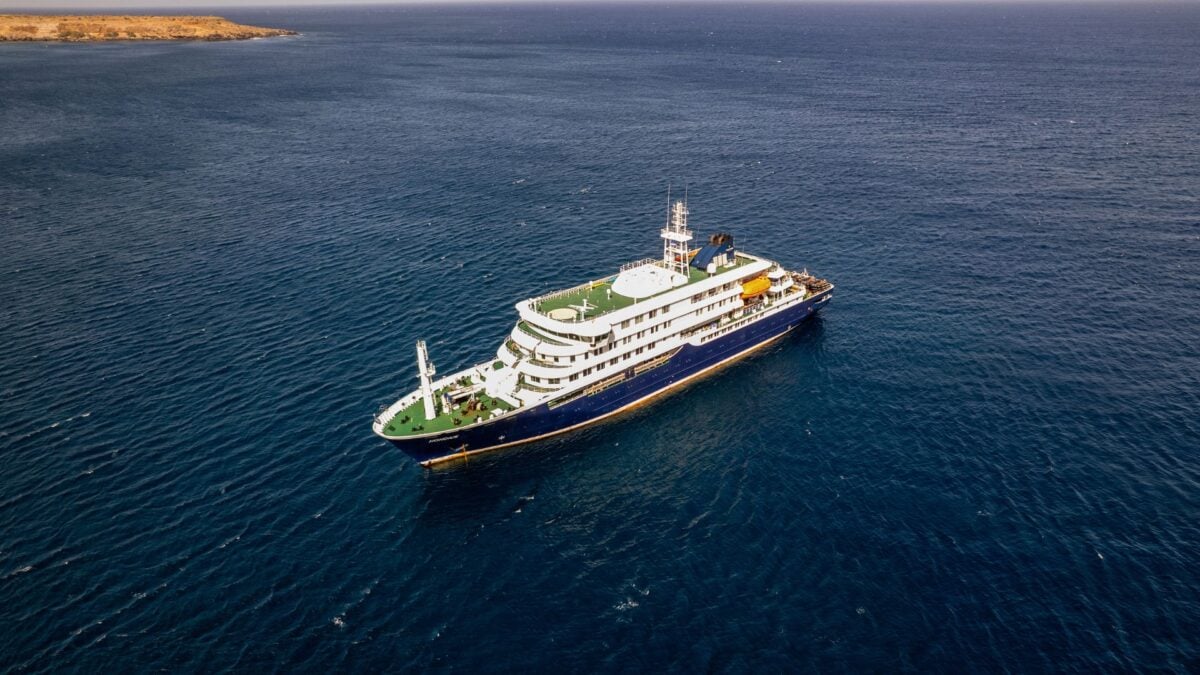
A deadly virus normally found on land has somehow invaded a cruise ship. An outbreak of the hantavirus has likely sickened half a dozen people and killed several aboard the MV Hondius, a 170-passenger vessel traveling between Argentina and Cape Verde, an island nation off the western coast of Africa.
World Health Organization officials confirmed the outbreak over the weekend. So far, one case of hantavirus infection has been confirmed, along with five other suspected cases, while three people have died following their illnesses. Though officials are still working to identity the exact origin of the outbreak, hantavirus normally isn’t a contagious disease that spreads easily between people.
Deadly but rare
Hantavirus describes a large family of viruses, only some of which are known to sicken people. These viruses are further divided into two broad groups: those found in the western hemisphere (or “New World”) and those in the eastern hemisphere (“Old World”). Most of these viruses, including the ones that can infect people, are native to rodents (that said, some viruses have been found in other small mammals). In rodents, these infections are often persistent but don’t cause illness.
Western hemisphere viruses tend to cause hantavirus pulmonary syndrome (HPS), a life-threatening condition that mostly affects the lungs and heart. About a third of people with HPS ultimately die from it. Eastern hemisphere viruses will instead cause hemorrhagic fever with renal syndrome (HFRS), a condition that affects the kidneys; HFRS has a fatality rate ranging from 1% to 15%, depending on the species. The Seoul virus, a species widely distributed throughout the world, can also cause HFRS as well, however.
People usually contract hantavirus by inhaling an infected rodent’s poop and urine particles that have been kicked up in the air or from touching a rodent’s droppings/urine directly. Infections can also be transmitted through rodent bites and scratches, though this is rare, according to the Centers for Disease Control and Prevention. Even rarer still is the possibility of a person transmitting the virus to others.
Only one species, the Andes virus, is thought to spread through contact with people’s infected saliva, respiratory droplets from coughing or sneezing, or from breastfeeding between mother and child. That said, some experts have cast doubt on this idea, citing a lack of strong evidence for human-to-human transmission. Most reported cases of the Andes virus remain linked to rodent exposure.
However it’s caught, hantavirus only rarely causes severe illness in people. In the U.S., just under 900 total cases of hantavirus have been documented since 1993, when health officials first began routine surveillance of the disease. These cases have predominantly occurred in the southwestern parts of the country, though the rodents that spread these viruses can live elsewhere.
How to prevent hantavirus infection
At this point, health officials have not yet confirmed the species of hantavirus implicated in this latest cruise ship outbreak, though it appears to be causing severe acute respiratory illness. Given what we know about these viruses, however, it’s unlikely that it would pose any danger to the public at large. Still, there are simple steps anyone can take to lessen their risk of hantavirus and other rodent-borne diseases, according to the CDC.
This includes sealing up homes to prevent rodent infestations, getting rid of nearby trash piles that could tempt rodents, and soaking discovered rodent nests and droppings with disinfectant before you attempt to clean them up. Those with a generally higher risk of rodent exposure, such as vets and pest exterminators, should take added steps to minimize contact with rodent droppings. And people are recommended to not adopt rodent pets if they have children under five or are living with immunocompromised people.