


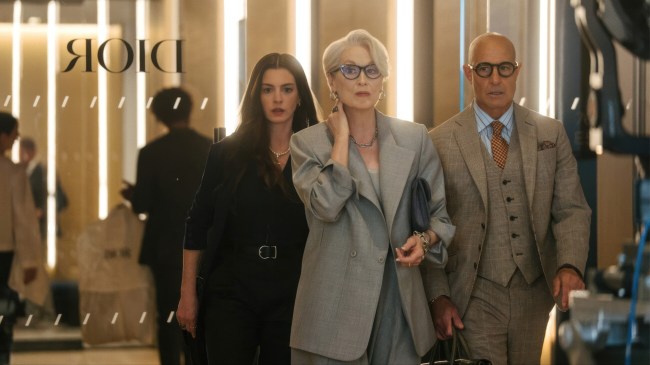
Most audiences will settle into “The Devil Wears Prada 2” this weekend for a splashy, starry comfort watch with familiar favorites from the original, fabulous clothes, and spicy badinage between Meryl Streep and Anne Hathaway.
If you’re a journalist in 2026, however, watching this movie is like an ice-cold glass of water thrown in your face, the sobering reminder you didn’t need about the contraction and attrition marring our industry. In director David Frankel’s follow-up film, again scripted by Aline Brosh McKenna, Miranda Priestley’s (Streep) Runway magazine is being bought by a soulless conglomerate, led by BJ Novak, installed to make swift cuts and change the publication’s editorial direction. That will include layoffs.

Meanwhile, Andy Sachs (Hathaway) has just been sacked from her respected position as an award-winning reporter at a vital, forward-thinking political news outlet.
As IndieWire’s “Screen Talk” co-hosts Anne Thompson and Ryan Lattanzio discuss on this week’s podcast, much of what happens onscreen in “Devil Wears Prada 2” is piercingly relatable — as advertising depletes, AI takes over, print readership dies, and algorithms deprioritize online news outlets. Refreshingly, though, the film does not depict influencers swanned in to save the day, but (mild spoilers here) the movie does remind that it will take the largesse of a wealthy patron to save this suffering field.
In more positive news! Anne has finally caught up with David Lowery’s heady, hokey, mesmerizing (in Ryan’s opinion) “Mother Mary,” so we debate that film.
We’ve also both seen the Michael Jackson biopic “Michael,” which is profoundly boring, but that’s no matter against a staggering $97 million opening weekend domestic. We both agree that Jaafar Jackson has the stuff to embody the King of Pop. Ryan points out that a lot of critics were reviewing a different movie, one that might have included coverage of the accusations of sexual abuse of minors against Jackson. What critics may not realize is that per reports, the original script included those accusations, but used them as a way to exonerate Jackson; the family ultimately interfered, and what remains is the Antoine Fuqua movie we see now, which runs from the Jackson Five days through the end of the 1980s.
We also have both read Lena Dunham‘s hilarious, heartfelt, and very dishy memoir “Famesick,” which details the “Girls” creator and star’s many-layered relationship to her co-star Adam Driver among many other things. Listen on for our discussion of this must-read best-seller.
Listen to this week’s “Screen Talk” episode below or on your preferred podcast platform.